

The 15-Second Spectacle
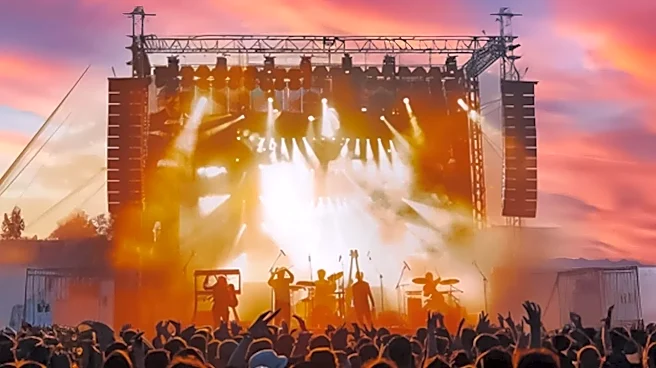
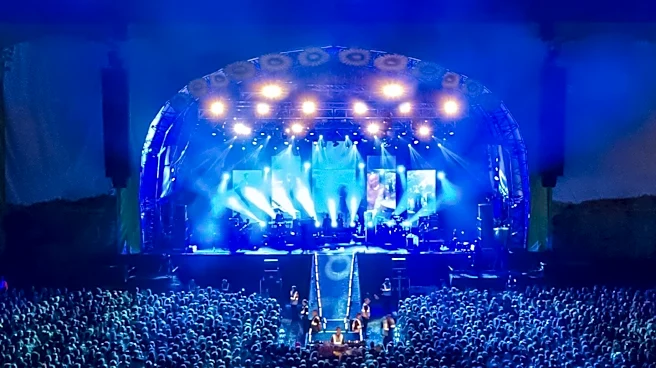
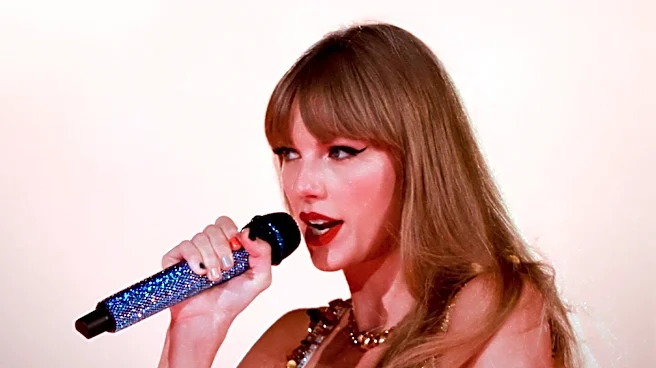
The modern stadium concert has become a factory for producing viral moments, and the mid-set costume change is its star assembly line. Whether it’s Taylor Swift seamlessly transitioning outfits between musical 'eras' or Beyoncé revealing a new custom
designer look, these moments are engineered for maximum social media impact. The mechanics are dazzling, often involving hidden fasteners, breakaway layers, and perfectly choreographed cover from dancers or props. But the real magic is how these seconds-long transformations are perfectly sized for TikTok, Instagram Reels, and YouTube Shorts. They are visually arresting, require no context to appreciate, and are highly shareable, ensuring the concert lives on long after the encore.
Wardrobe as Viral Marketing
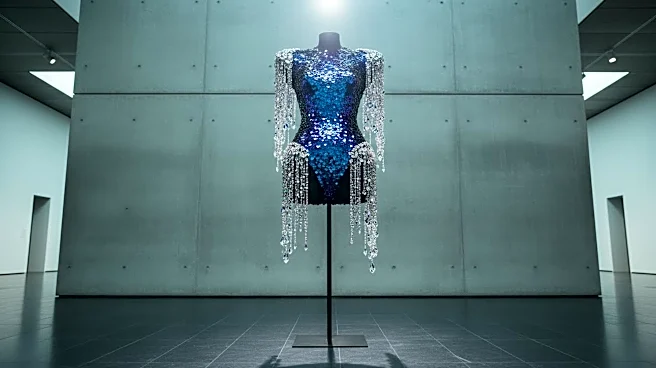
In the digital age, a tour's marketing budget isn't just spent on ads; it's invested in content. Each costume change is a new potential headline and a fresh wave of user-generated promotion. When Beyoncé showcases a new look from a high-fashion designer like Mugler or Loewe, it’s treated less like a wardrobe update and more like a runway reveal. Fashion publications and fans alike dissect the look, turning the concert into a major style event. This creates a symbiotic relationship: the artist generates buzz, the designer gets massive exposure, and the fans become a volunteer marketing army, sharing clips and driving the conversation. The strategy is so effective that it turns every show into a self-sustaining hype loop.
Telling a Story, One Outfit at a Time
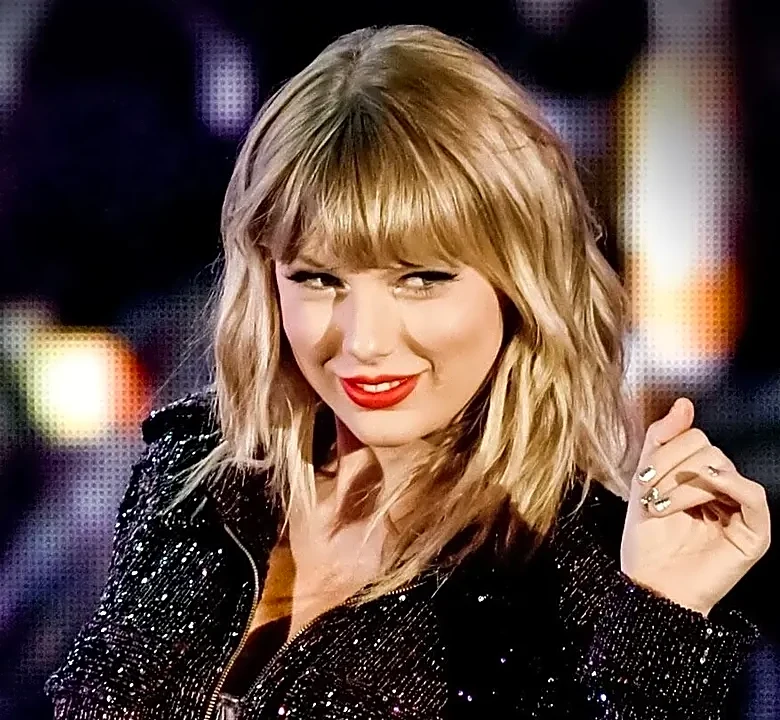
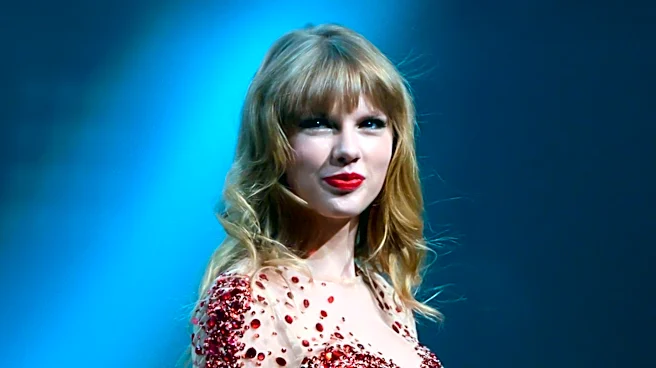
Beyond the social media strategy, costume changes serve a powerful narrative purpose within the show itself. For an artist like Taylor Swift, whose Eras Tour is explicitly about revisiting different stages of her career, a new outfit is a clear signal to the audience. A whimsical dress for the 'Folklore' set gives way to a glittering, sharp-shouldered piece for '1989,' visually transporting the audience through her discography. This theatrical device helps structure the concert, making a three-hour performance feel dynamic and segmented. The costumes become an extension of the artist's persona and storytelling, allowing them to embody different characters or moods throughout the performance. It enriches the experience for the fans in attendance, who reward the effort with their focused attention and roaring approval.
An Invitation for the Audience to Participate
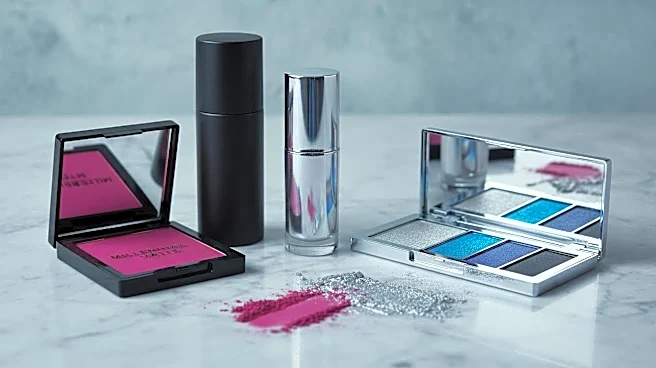
The focus on fashion on stage has a direct ripple effect into the crowd. Artists like Harry Styles and Beyoncé have fostered a culture where fans don't just come to watch a show—they come to be part of it. Themed dress codes, like Beyoncé’s call for fans to wear silver during the Renaissance Tour, turn the entire arena into a cohesive visual spectacle. This encourages attendees to plan their outfits, share their looks online, and engage with the concert's aesthetic on a personal level. In this environment, an artist's on-stage change isn't just a solo act; it's the centerpiece of a massive, interactive fashion event where everyone, from the front row to the nosebleeds, is a participant.