



1. The Department of Public Works (DPW)
Think of the DPW as the hardened, dusty construction crew for the entire city. Months before anyone arrives, this team of hundreds is on-site, working in the harsh desert environment. They survey and stake out the city's iconic circular grid, install
miles of perimeter fence, build the major structures like the Center Camp pavilion and the Man itself, and manage the power grid and fuel services. They are the first to arrive and the last to leave, staying for weeks after the event to ensure the desert is returned to its pristine state.
2. Gate, Perimeter, and Exodus (GPE)
Managing the flow of a population equivalent to a small city is a monumental task handled by GPE. This team runs the entire entry and exit process. The Gate crew processes every vehicle and ticket, ensuring a controlled flow into the city. The Perimeter team patrols the nine-mile fence to secure the event. Finally, the Exodus team choreographs the massive departure, using a "pulsing" system to manage traffic flow and prevent a multi-day standstill as tens of thousands of cars leave the desert.
3. The ARTery and Art Support Services (ASS)
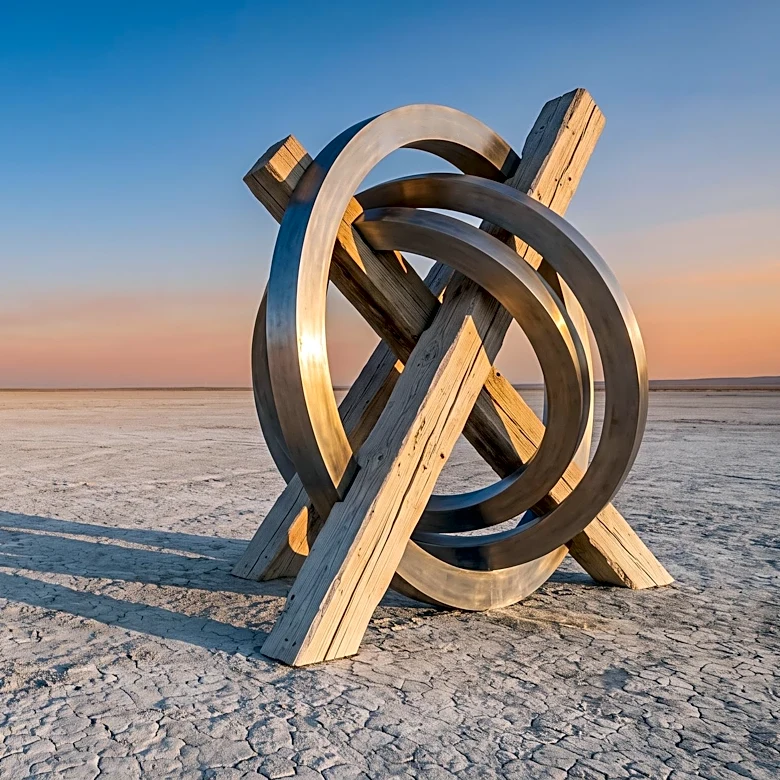
Burning Man is famous for its massive, mind-bending art installations. The ARTery is the Art Department's on-site headquarters, managing the placement, safety, and support of hundreds of art pieces. Artists check in here to get their official location on the open playa. The Art Support Services (ASS) team works directly with artists, helping them secure resources like heavy equipment, while the Fire Art Safety Team (FAST) ensures any piece involving flames does so safely, literally keeping the "burn" in Burning Man.
4. The Black Rock Rangers
The Rangers are not law enforcement; they are non-confrontational community mediators. Easily identified by their khaki-colored attire, these veteran Burners walk the city, providing information, helping find lost kids, and de-escalating conflicts. They act as the city's first responders for non-medical issues, helping participants solve their own problems and embodying the principle of civic responsibility. They are the calm, helpful presence that keeps the social fabric of the city intact.
5. Emergency Services Department (ESD)
For any situation beyond the Rangers' scope, the ESD is ready. This is a comprehensive emergency response system with fire, medical, and mental health branches. Staffed by professional volunteers from around the world—including doctors, nurses, firefighters, and crisis counselors—the ESD operates three medical stations and a mobile fleet. They provide a modern standard of emergency care in one of the most remote and challenging environments imaginable, handling everything from heat stroke to major medical incidents.
6. The Lamplighters
One of Burning Man's most cherished traditions is also a vital utility. Every evening, hundreds of volunteers don white robes and join a silent procession to light the city. They hang more than a thousand kerosene lanterns on spires along the city's main avenues, providing navigational light that burns through the night. This ritual, dating back to the event's early years, is a beautiful piece of performance art that also serves the practical purpose of illuminating the city without relying on the power grid.
7. Playa Restoration (Resto)
The "Leave No Trace" ethic is paramount. After the party's over, the Playa Restoration crew gets to work. This 150-person team stays for weeks, walking shoulder-to-shoulder in massive line sweeps across the entire five-square-mile site. Their job is to find and remove every last piece of "Matter Out of Place" (MOOP)—from a stray sequin to a dropped bolt—ensuring the desert floor is returned to its natural state. Their success, documented in the annual MOOP Map, is critical for the event's permit to continue.
8. Greeters
While the Gate team handles tickets, the Greeters handle the culture. Stationed just past the entrance, they are the first point of contact with Black Rock City's unique ethos. They offer hugs, event guides, and friendly advice, famously encouraging first-timers (or "burgins") to make a dust angel on the ground to get acclimated. They are the welcoming committee, responsible for shifting participants' mindsets from the default world to one of radical participation and self-reliance.
9. Department of Mutant Vehicles (DMV)
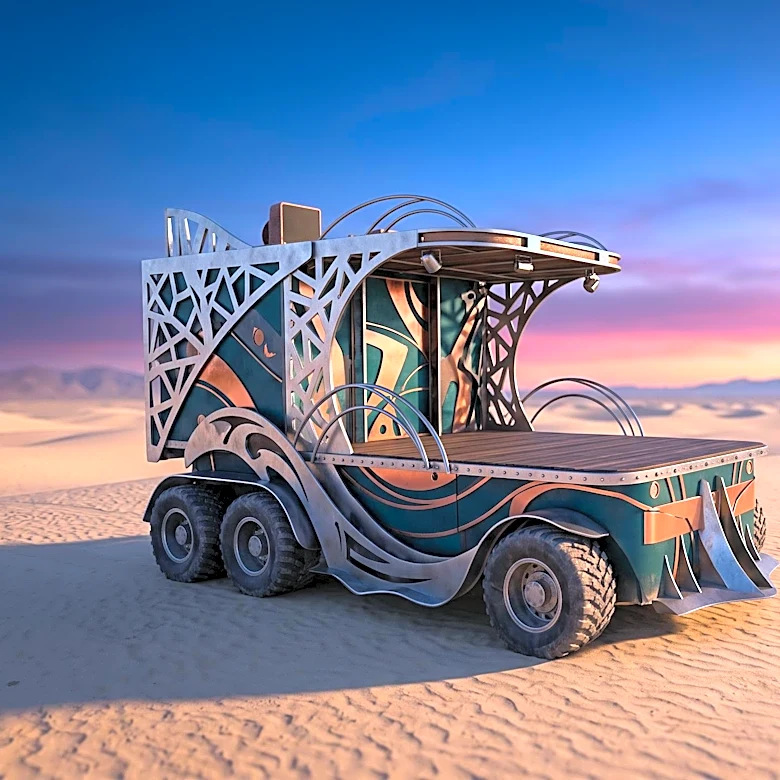
You can't just drive a regular car around Black Rock City. To be mobile, your vehicle must be a "mutant vehicle"—a piece of art so radically altered it no longer resembles its original form. The Department of Mutant Vehicles is responsible for inspecting and licensing every one of these creations, ensuring they are safe, creative, and adhere to community standards. They are the curators of the rolling art gallery that populates the desert, managing everything from tiny, whimsical creations to massive, flame-throwing sound stages.
10. Center Camp
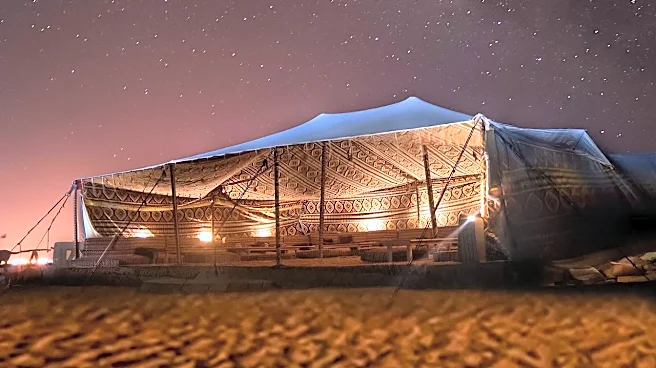
While no longer a commercial cafe, Center Camp remains the city's designated civic plaza and social hub. Located at the 6:00 position on the city's clock face, its iconic shaded structure serves as a massive public living room. It hosts performance stages, art galleries, and information services, offering a central point for participants to meet, rest, and engage with community activities. Its organization provides a crucial, non-commercial gathering space that fosters spontaneous connection and communal effort.