




The Safety of Knowing What's Coming
The single biggest reason rewatching horror feels comforting is predictability. When you know exactly when the killer will jump out or which floorboard will creak, the fear loses its power to genuinely distress you. A first-time viewing is an exercise
in anxiety and tension because the threat is unknown. A repeat viewing, however, transforms the experience. Psychologists refer to this as 'experiential control'. You're no longer a passive victim of the director's jump scares; you're an expert observer who knows the script. This sense of mastery can be deeply satisfying. For individuals who grapple with anxiety in their daily lives, the controlled, predictable fear in a movie can be a welcome relief from the chaotic, unpredictable fears of the real world. The film becomes a safe space where the scary things are contained, with a clear beginning, middle, and end.
A Masterclass in Managing Your Emotions
Horror movies are emotional boot camps. They are designed to elicit a powerful physiological response: a racing heart, sweaty palms, a jolt of adrenaline. When you watch a scary movie for the first time, these feelings can be overwhelming. But when you rewatch it, you are essentially practicing how to handle those intense emotions. It becomes a form of emotional regulation. You get to experience the thrill of the adrenaline rush without the accompanying panic because you know you are safe. This process can be cathartic, allowing for a release of pent-up feelings in a controlled environment. Some researchers suggest this acts as a low-stakes form of exposure therapy, where you confront frightening scenarios from the safety of your couch, which can build confidence in your ability to handle fear.
The Powerful Pull of Nostalgia
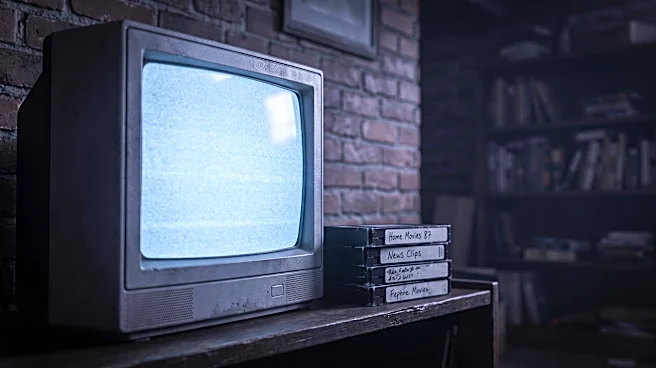
Often, the horror movies we rewatch are tangled up with our personal histories. Maybe 'Scream' reminds you of sleepovers with high school friends, or 'Halloween' was the first 'real' scary movie your parents let you watch. This nostalgic connection can be a powerful source of comfort. The movie itself becomes a time machine, transporting you back to a moment in your life that you remember fondly. The aesthetic of the film—the clothes, the music, the grainy film quality—can evoke a sense of a simpler time. That feeling of nostalgia provides a warm, secure blanket that has little to do with the on-screen horror and everything to do with the positive memories associated with it. The film is no longer just a story about a masked killer; it's a memento of your own life.
Finding Meaning in the Macabre
Beyond the biological and nostalgic reasons, rewatching horror can also provide a deeper sense of meaning. Horror films often explore timeless themes of good versus evil, survival, and the consequences of our actions. Revisiting these stories allows us to engage with these big questions from a different perspective. As we get older, our interpretation of a film can change. A movie that was simply a monster flick when you were a teen might reveal itself to be a potent metaphor for social anxiety or trauma upon a later viewing. This evolving relationship with the film can make it feel richer and more personal over time. Watching a character survive a terrifying ordeal can be empowering, offering a sense of vicarious resilience. It's a reminder that even in the face of overwhelming darkness, survival is possible, a message that can be profoundly comforting.