


The New Festival Uniform
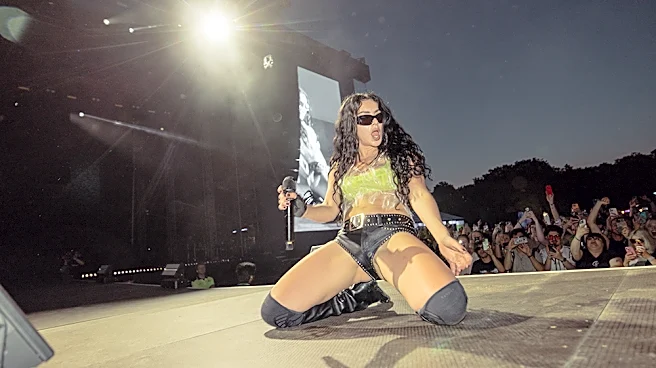
Forget the fringe and crochet that defined a decade of festival fashion. This year, the fields of Lollapalooza are a runway for a grittier, more intentional look heavily influenced by Y2K and 90s nostalgia. The vibe is a mix of streetwear and rave culture,
where the goal isn’t just to look good, but to wear something unique. This shift has elevated vintage sellers from mere shopkeepers to essential tastemakers, digging through warehouses and forgotten stockrooms to unearth the specific pieces that define this new era of festival style. They are curating looks that are part performance art, part practical solution to dancing for four days in the August heat.
Mesh and Nylon: The Logic of Sheer Style
At the heart of this trend are two decidedly un-bohemian materials: mesh and nylon. Once relegated to athletic wear and 90s club kid outfits, they are now the fabrics of choice for festival-goers. Mesh tops, dresses, and bodysuits are layered over bralettes and band tees, offering a hint of edgy transparency while being incredibly lightweight and breathable. Nylon, in the form of parachute pants and cargo shorts, offers durability and a signature 'swish' on the dance floor. The appeal is twofold: these synthetic fabrics are intensely practical for a hot, crowded environment, and they perfectly capture the throwback Y2K aesthetic that artists and fans are embracing.
The Deadstock Gold Rush
The most dedicated style hunters, however, are seeking something even more elusive: deadstock. This term refers to fabrics and finished garments that were never sold or used by the original manufacturers and would otherwise end up in landfills. For vintage sellers, finding a roll of forgotten 90s-era printed nylon is like striking gold. They, or the small designers they supply, can turn this limited-quantity material into small-batch collections, guaranteeing a level of exclusivity that fast fashion can't replicate. For the wearer, a deadstock piece isn’t just an outfit; it's a piece of history, a sustainability statement, and a guarantee that no one else at the festival will be wearing the same thing.
Curators, Not Just Sellers
The rise of this specific aesthetic highlights a change in the role of the vintage vendor. They are no longer just presenting a random assortment of old clothes; they are acting as active curators and stylists for a generation of shoppers who value authenticity. These sellers understand that the Lollapalooza attendee isn't looking for a generic "vintage" tag, but for a specific cut of low-rise cargo pants, a certain type of sheer mesh, or a jacket with the right kind of retro-futuristic sheen. They travel, build networks with suppliers, and spend hours hunting for pieces that fit the narrow, evolving tastes of the festival scene, effectively becoming personal shoppers for thousands of music fans.