
The Runway as Pure Spectacle
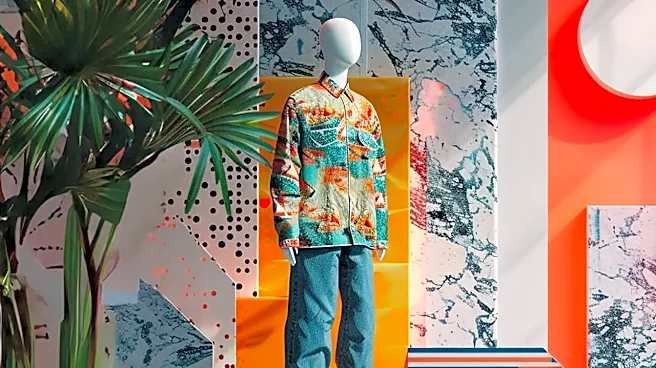
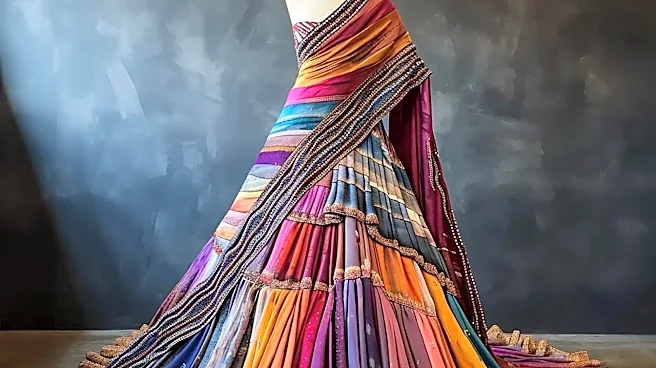
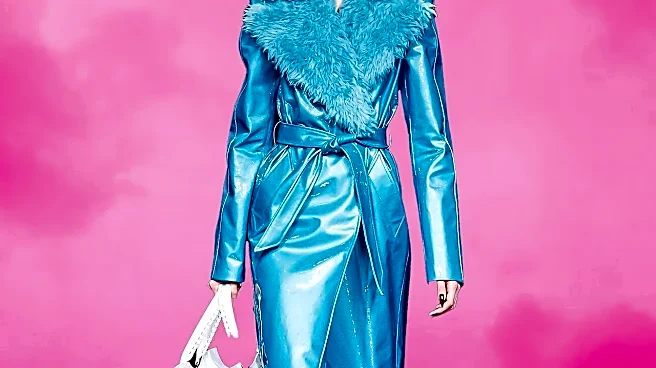
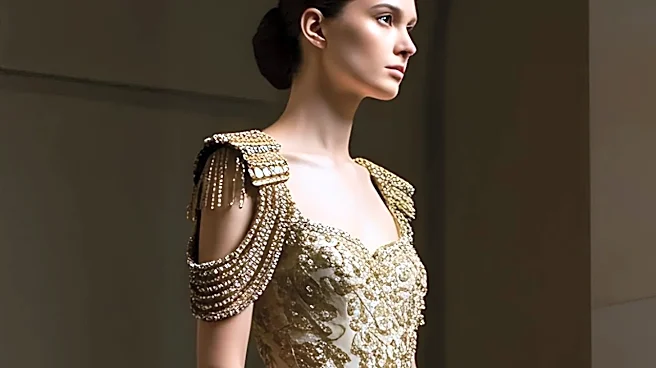
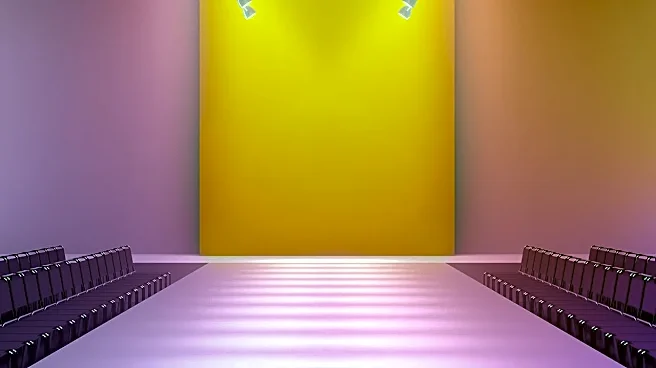
First, it helps to think of a fashion show as part theater, part art installation. A designer’s primary goal on the runway isn't always to sell the exact garment being shown. It's to create a fantasy, establish a powerful mood, and generate buzz. These
highly conceptual, often exaggerated “showpieces” are designed to grab the attention of editors, influencers, and the public. They are the purest expression of the designer's creative vision for the season, demonstrating their skill with fabric, silhouette, and technique. They’re meant to be photographed, shared, and talked about, functioning as a form of high-impact advertising that defines the brand's identity.
Two Collections for Two Audiences
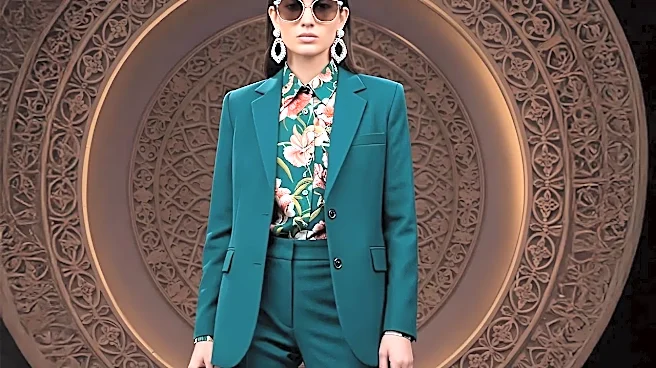
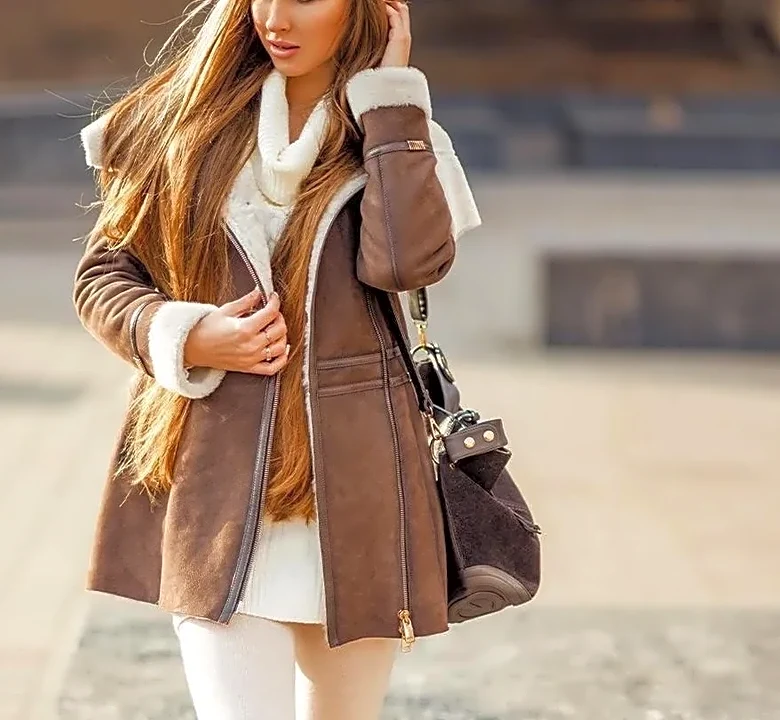
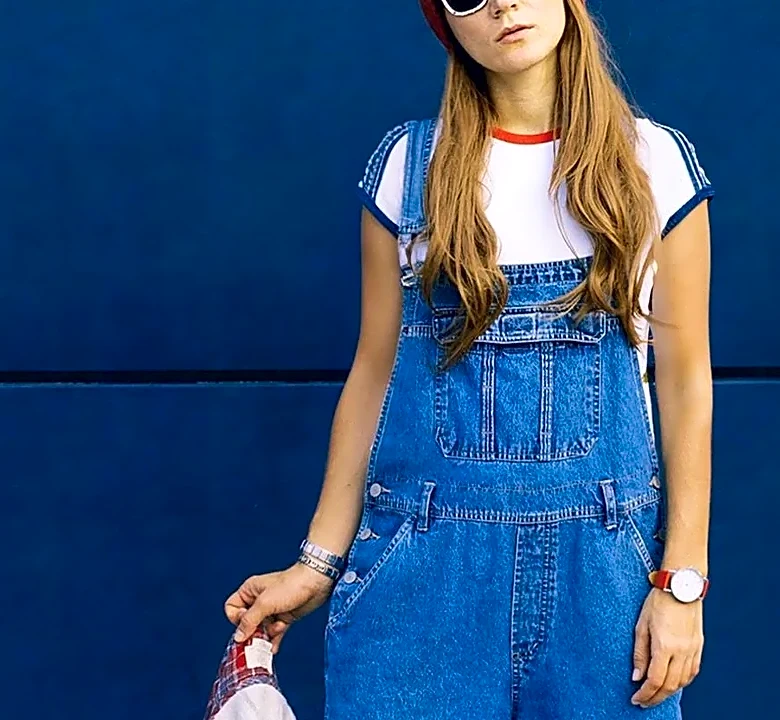
Every fashion show is trying to speak to two different audiences at once. The first is the press and public, who crave novelty, drama, and artistry. The second, and arguably more critical audience, is the professional buyer from department stores and boutiques. Buyers are watching the show with a pragmatic eye, thinking about what their specific customers will actually want to wear and purchase. An avant-garde gown made of sculpted metal might make for a stunning photo, but a well-cut blazer or a wearable version of a runway print is what pays the bills. To serve both, designers create two parallel collections: the runway collection, which is heavy on showpieces, and the commercial collection, which is designed to be sold.
The Showroom: Where the Real Business Happens
The real deals aren't made in the front row; they're made in the days following the show in private showrooms. Here, away from the flashing cameras, buyers get to see the full commercial collection up close. This collection includes the more practical, wearable, and profitable pieces that are derived from the runway's big ideas. Buyers might see a toned-down version of a dramatic runway dress—perhaps with a shorter hemline, in a different fabric, or without the extreme embellishments. They place their orders based on this commercial collection, and those are the clothes that are ultimately manufactured and delivered to stores six months later. Sometimes, a buyer might even request specific modifications to make a piece more suitable for their clientele.
Has Social Media Changed the Game?
The rise of social media and runway livestreams has complicated this traditional model. Now, consumers see the showpieces in real time and often want to buy them instantly. This has created a new pressure for brands. In response, some have adopted a “see now, buy now” model, making parts of their runway collections immediately available for purchase. Others have started producing more of their standout runway looks, knowing there will be demand from VIP clients and die-hard fans. However, the fundamental divide remains for most brands. The runway still needs to create the dream, while the showroom needs to offer the reality. The sample pieces from the runway often live on, loaned out to celebrities for red carpet events or used in magazine editorials before being retired to the brand's archives.