






The Gratitude Paradox
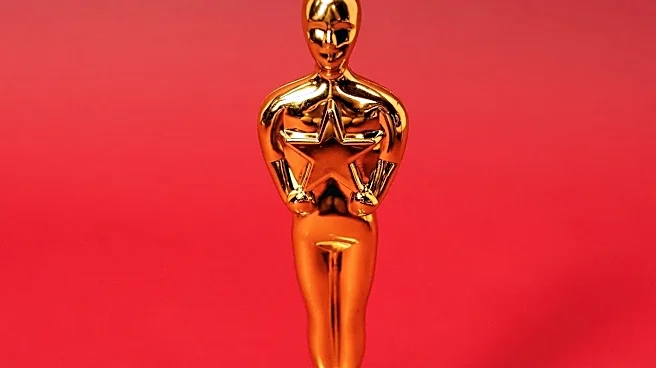
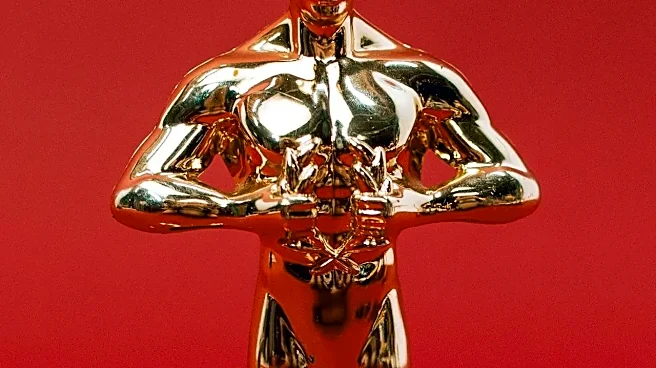
There's a fundamental conflict at the heart of every acceptance speech: the winner's genuine need to express gratitude versus the audience's desire for a memorable television moment. For the person holding the statue, it's a dizzying, emotional peak.
They feel an immense obligation to acknowledge the agents, managers, family members, and collaborators who helped them get there. Omitting a key name is a social and professional landmine. A political scientist once described this as a 'gift' to the people being thanked—and the more it costs the speaker in terms of precious airtime, the more valuable the gift is to the recipient. The home audience, however, paid nothing for that gift and gets nothing from it. We don't know these people. Their names are a list of inside references that kill the momentum and intimacy of what should be a universally shared celebration. It’s a paradox where the most heartfelt personal gesture becomes the most alienating public one.
What Viewers Actually Want
Viewers tune into awards shows for emotion, not recitation. We crave the raw, unscripted moments that make live TV feel electric. Think of the best speeches in history: they are rarely about a list. They are about a feeling. When Julie Andrews won for Mary Poppins, her short, sweet, and giggly speech was full of humble charm. When Frances McDormand asked every female nominee in the room to stand with her, it was a powerful, unscripted call to action. Conversely, speeches that are just a roster of names feel robotic and insincere, even if the gratitude is real. The audience doesn't want to hear a credit roll; they want a story, a moment of authentic surprise, a flash of wit, or a wave of genuine tears for a parent, like Gwyneth Paltrow's infamous, yet undeniably human, speech. Spontaneity and connection are what make a speech great, and a pre-written list is the enemy of both.
The Awkward 'Play-Off' Music
Show producers are acutely aware of this problem. For decades, their primary weapon against the thank-you list has been the orchestra, which swells to an awkward crescendo to play the winner off stage. This often creates an even more cringeworthy moment, as the winner tries to shout over the music, turning a moment of honor into a frantic race against the clock. Sometimes it leads to an iconic act of defiance, like when Julia Roberts told the conductor to “sit, because I may never be here again,” but more often it just feels clumsy. Recognizing this, the Oscars have experimented with a solution: the thank-you scroll. Nominees submit their list of names in advance, and those names run along the bottom of the screen, freeing the winner to use their 45 seconds for something more meaningful.
Is the Scroll the Solution?
The on-screen ticker is a smart idea in theory, designed to give winners the freedom to speak from the heart without the pressure of forgetting someone. The goal was to encourage more compelling, emotional, or political statements, things that actually make for good television and memorable history. In practice, however, the habit is hard to break. Many winners still feel the pull to thank at least a few key people verbally, rendering the scroll redundant. The core issue isn't just about saving time; it's about changing the mindset of what an acceptance speech is for. It isn't a debt to be paid; it is a performance. It is the final scene of the winner's journey, and it deserves a better script than a phonebook.