



The Building as a Closed Circle
Agatha Christie’s most iconic mysteries—from a snowbound train in Murder on the Orient Express to a secluded island in And Then There Were None—thrive on a simple, brilliant concept: the closed circle of suspects. The Arconia is the perfect modern evolution
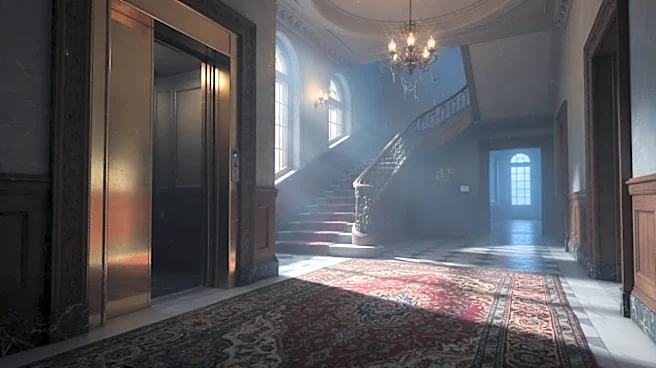
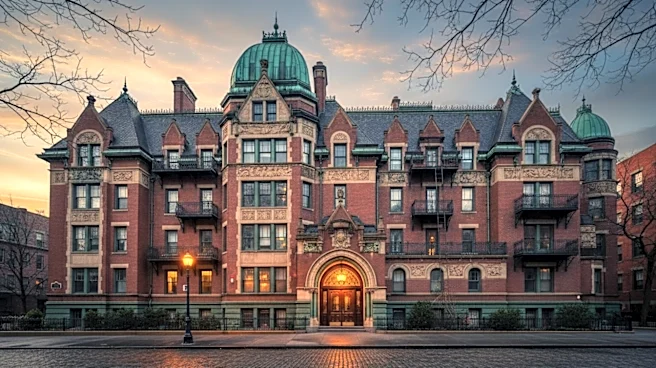
of this. It’s a vertical village on the Upper West Side, a full-block ecosystem where residents' lives are entwined whether they like it or not. The building itself provides the container. Everyone is accounted for, and no one can truly leave the web of suspicion once a crime is committed within its walls. This elegant confinement is the engine of the show's drama, transforming a residential high-rise into a classic country house mystery, just with more elevators and podcasts.
A Community of Carefully Guarded Secrets
In Christie's world, every character, from the retired colonel to the unassuming governess, is nursing a secret. The Arconia’s residents are no different. Behind each door lies a hidden life. You have the powerful couple with a tense marriage, the quiet tenant with a criminal past, and the cat-loving neighbor who knows more than he lets on. The show masterfully peels back these layers season after season. The discovery of secret passageways, nicknamed the "Arcatacombs," literalizes this theme: the building has as many hidden depths as its inhabitants. This core principle—that everyone has something to hide—makes every friendly face a potential suspect and every piece of gossip a potential clue.
The Illusion of Social Order
Christie’s novels were often sharp dissections of the British class system, where manners and social standing provided a thin veneer over greed, jealousy, and betrayal. The Arconia has its own distinct social hierarchy. There's the building board, led by the tragically fussy Bunny Folger, which represents the old guard. There are the wealthy, long-term residents in sprawling apartments and the renters in smaller units, creating subtle divides. Oliver, Charles, and Mabel exist slightly outside this structure, giving them the perfect vantage point to observe it. The show constantly plays with this dynamic, revealing that status in the Arconia is no guarantee of innocence. In fact, just as in a Christie novel, it’s often the most outwardly respectable figures who have the most to lose—and the most to kill for.
Everyone Is a Suspect, and an Amateur Detective
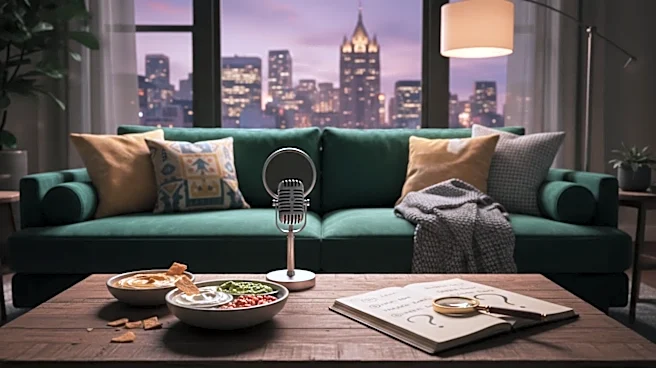
One of Christie’s most enduring tropes is the amateur sleuth, like the delightfully nosy Miss Marple, who proves more effective than the official police. Charles, Oliver, and Mabel are the ultimate embodiment of this, turning their true-crime podcast obsession into a real, if clumsy, investigative tool. Their podcast transforms every resident from a neighbor into a character in their unfolding narrative. This meta-commentary on storytelling itself feels modern, but the underlying idea is pure Christie: the truth is best uncovered not by the authorities, but by curious insiders who understand the community's unique psychology. By making everyone a potential suspect, the show invites the audience to play along, turning viewers into armchair detectives right alongside the podcasting trio.