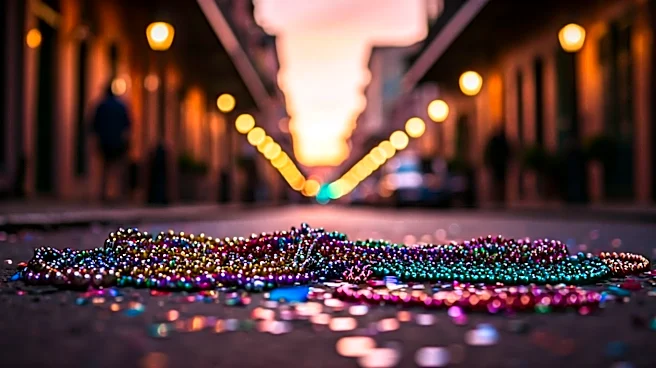



New Orleans Sets the Scene
For decades, the Essence Festival has been a cornerstone of Black culture, a multi-generational pilgrimage to New Orleans. It’s a space where industry titans and rising stars share stages, and where fans connect over a shared love for music that has defined
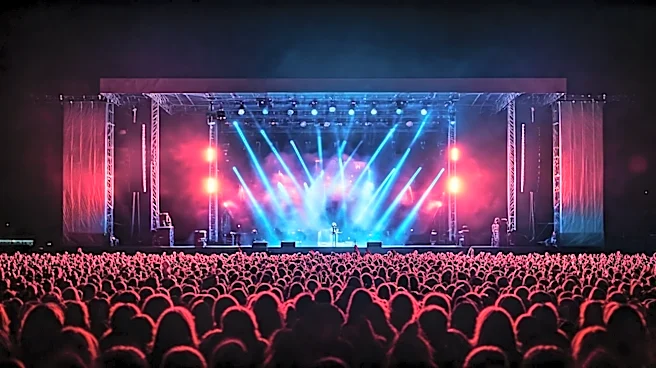
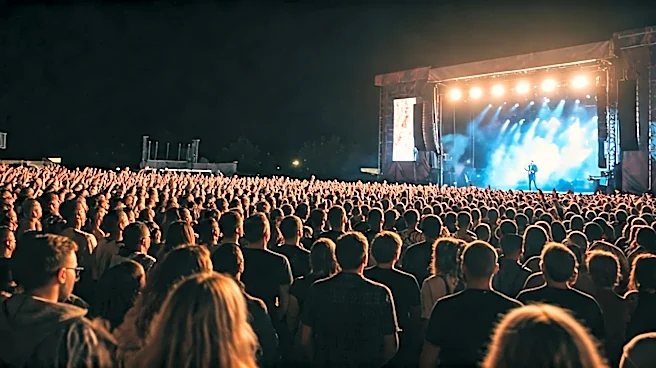
their lives. The 2026 lineup perfectly illustrates this, placing legends like Patti LaBelle and Babyface on the same bill as contemporary forces like Kehlani and Latto. This intentional blend of legacy and modernity makes it the perfect arena for a cultural conversation about the soul of R&B and where it's headed. It’s in the convention center halls, the Superdome corridors, and the late-night DJ sets where the generational tastes become most apparent.
The Legacy of the Quiet Storm
For one contingent of festival-goers, R&B is synonymous with the “Quiet Storm.” Born from a late-night radio format in the mid-1970s, it’s a sound defined by smooth, jazz-inflected, and deeply romantic music. Think of the lush orchestrations and velvety vocals of Luther Vandross, the sultry heartache of Anita Baker, or the sophisticated soul of Sade. Quiet Storm is patient music; it’s seven-minute epics, intricate musicianship, and lyrical storytelling designed for slow dances and deep connection. For its loyalists, this music represents a golden era of R&B, an art form centered on musicality and adult themes of love and romance that has been a mainstay at Essence Fest for years.
The Rise of TikTok R&B
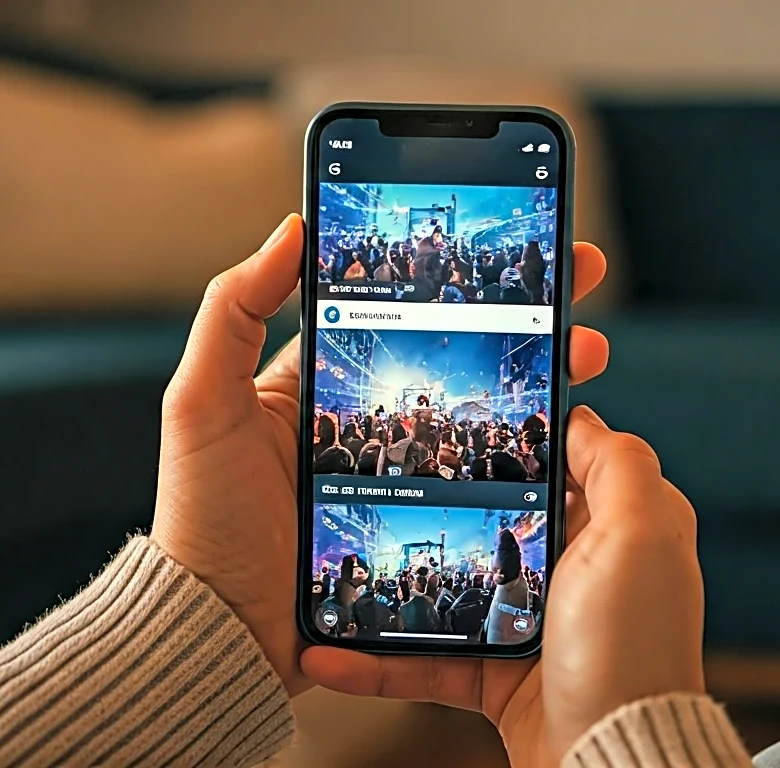
On the other side of the divide are fans whose musical tastes have been shaped by the digital age, specifically TikTok. This isn’t a genre in the traditional sense, but rather a mode of consumption. TikTok R&B is characterized by its immediacy: sped-up remixes, 15-second earworm hooks, and songs structurally designed for viral dance challenges. Artists like SZA and Summer Walker have seen their careers amplified by the platform, where emotional vulnerability is delivered in instantly shareable clips. The emphasis is less on the slow burn and more on the quick hit. This evolution has democratized music discovery but also reshaped song structure, prioritizing catchiness and brevity above all else.
Sparks in the Superdome
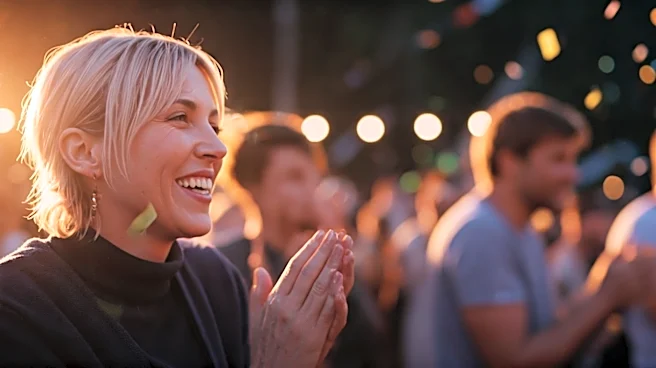
The “clash” materializes in the real world at an event like Essence Fest. Imagine a DJ transitioning from the full, unhurried groove of Babyface’s “Whip Appeal” to a 90-second, high-pitched remix of a newer track that’s dominating social feeds. In the crowd, you’ll see two distinct reactions. One group, grooving with a partner, might look bewildered, their romantic mood punctured. Another group, phones in hand, immediately starts recording, recognizing the viral sound. This isn’t outright hostility, but a tangible disconnect in musical language. It's the difference between R&B as a long-form story and R&B as a perfectly looped, endlessly repeatable moment.
A Conversation, Not a Conflict
While “clash” makes for a great headline, what’s happening at Essence is more of a conversation. The 2026 lineup itself proves this, featuring artists who bridge the gap. Leon Thomas, for example, creates moody, intentional R&B that feels contemporary yet textured. Meanwhile, modern artists like H.E.R. and Bryson Tiller are often included in new-school Quiet Storm playlists, demonstrating that the new generation hasn't abandoned melody and mood. What the festival showcases is not a war but the natural evolution of a genre. The older generation is protective of an art form they feel is being diluted, while the younger generation is simply interacting with music in the native language of their time. The beauty of Essence Fest is that it puts these two dialects in the same room, forcing a dialogue.