





Case Study: Morocco's 2022 Masterclass
Forget just looking at the final scores. To find a true dark horse, you have to watch *how* a team plays. For a perfect example, look no further than Morocco at the 2022 World Cup in Qatar. Drawn into a brutal group with 2018 finalist Croatia and the #2
ranked team in the world, Belgium, most analysts wrote them off. But their three group stage matches provided a complete blueprint for their eventual, historic run to the semi-finals. They didn't just win; they showed a repeatable, sustainable formula for giant-killing. They were disciplined, tactically brilliant, and had just enough star power to make a difference.
Sign #1: An Impenetrable Defensive Identity
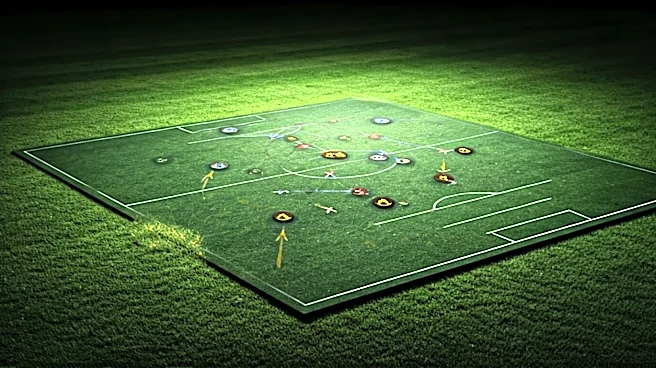
The first sign of a dangerous underdog is an elite, organized defense. Any team can get a lucky goal, but very few can consistently shut down world-class attacks. Morocco’s opening match, a 0-0 draw with Croatia, was the first major warning. It wasn't a boring, scoreless affair; it was a statement of defensive sovereignty. Under coach Walid Regragui, they lined up in a compact 4-1-4-1 shape without the ball, suffocating the midfield creativity of Luka Modrić. The star of the show was Sofyan Amrabat, a human wrecking ball in the defensive midfield role. He didn't just tackle; he anticipated, intercepted, and commanded the space in front of his back four. They conceded zero goals to Croatia and Belgium in the group stage, a feat that screamed sustainability. This wasn't chaotic, last-ditch defending; it was a well-drilled system that frustrated and exhausted superior opponents.
Sign #2: Lightning on the Counter-Attack
A great defense is only half the equation. A true dark horse needs to be able to punish teams that overcommit. Morocco’s defense was the platform for a devastatingly quick counter-attack. They weren't interested in meaningless possession. They would patiently absorb pressure and then, upon winning the ball, explode forward with pace and purpose. The key cogs were world-class talents playing on the wings. On the right, you had the blistering speed of PSG’s Achraf Hakimi and the creative genius of Hakim Ziyech. This combination was lethal. Their 2-0 victory over Belgium was the perfect illustration. Belgium huffed and puffed with the ball, and Morocco simply waited for their moment. The speed of their transitions turned Belgian possession into a liability, making a star-studded opponent look slow, old, and out of ideas.
Sign #3: Star Players United by a Cause
Talent alone doesn't win a World Cup, but you absolutely need it. The final warning sign is having a few top-tier players who are fully bought into the team’s system. For Morocco, this was critical. Hakim Ziyech had famously been in exile from the national team under the previous coach, but Regragui brought him back into the fold. He wasn't just a luxury player; he was tracking back, pressing, and leading the counter. Achraf Hakimi, one of the best attacking full-backs in the world, embraced his defensive responsibilities. This wasn’t a collection of individuals; it was a cohesive unit where the stars sacrificed for the collective. That blend of high-end talent and blue-collar work ethic is the special sauce that allows a team to punch far above its weight in knockout football, which is exactly what Morocco did against Spain and Portugal.