




The South American Carnival
This isn't just watching a game; it's a full-body, spiritual experience. In the sections draped in the sky-blue and white of Argentina or the canary yellow of Brazil, the stadium bounces. Literally. Fans engage in the “pogo,” a unified jump that can make entire concrete structures visibly shake. The air is thick with the smoke of blue and white flares and a blizzard of “papelitos”—shredded paper thrown to create a snowstorm of passion as the teams enter. The singing is not a collection of individual chants but a constant, rolling, 90-minute choir powered by drums and an almost religious fervor. It’s chaotic, overwhelming, and utterly magnificent, a feeling that the fans themselves can will their team to victory through sheer force of voice and heart.
The European Fortress
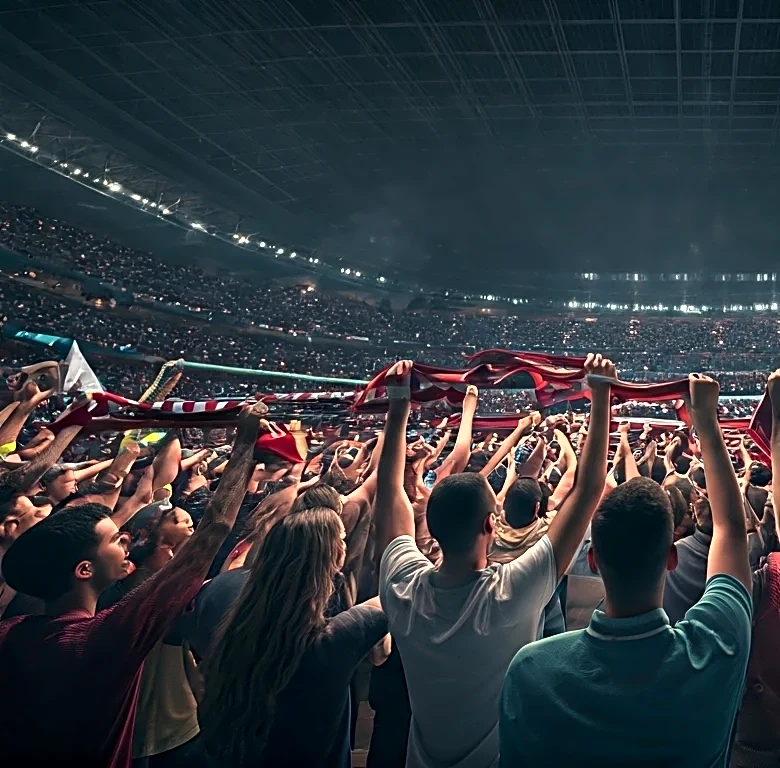
Where South American passion is a free-flowing carnival, the great European fan sections are models of organized intensity. Influenced by the continent's “ultra” culture, these are coordinated operations. Before kickoff, look for the “tifo”—a massive, choreographed visual display unfurled across an entire end of the stadium, often depicting club legends, defiant slogans, or towering crests. The chants are powerful, percussive, and rehearsed, designed to intimidate opponents and create an impregnable wall of sound. Germany’s fans are famous for their discipline and scale, while English support often brings the classic sound of a brass band, a nostalgic and powerful counterpoint to the on-field drama. It's less a party and more a siege, turning the stadium into a fortress for the home side.
The Traveling Army
Some nations turn every away game into a home game. The Netherlands’ “Oranje Army” is the quintessential example, a joyous horde that paints entire city squares and stadium sections a brilliant, uniform orange. Mexican fans, with their iconic sombreros and infectious energy, are legendary for traveling in huge numbers, bringing a vibrant, festival atmosphere wherever they go. And in recent years, the United States’ own “American Outlaws” have become a formidable force, a sea of red, white, and blue that takes over sections with organized chants and unwavering belief. These groups are defined by their sheer numbers and visual unity, transforming a neutral venue in Qatar or Brazil into a small patch of home turf.
The Signature Ritual
Sometimes, a single ritual comes to define a nation's fandom on the world stage. Who could forget Iceland’s “Viking Clap” at Euro 2016 and the 2018 World Cup? A slow, rhythmic clap, led by a single drummer, that builds into a thunderous, primal roar. It was a terrifying and beautiful spectacle that perfectly captured the spirit of an underdog nation. In a completely different key, Japanese fans have become globally renowned for their post-match ritual: meticulously cleaning their section of the stadium, win or lose. It’s a quiet, powerful display of respect that stands in stark contrast to the chaos of other fan cultures. These are the moments that become cultural touchstones, remembered long after the final scores are forgotten.
The Modern Spectacle
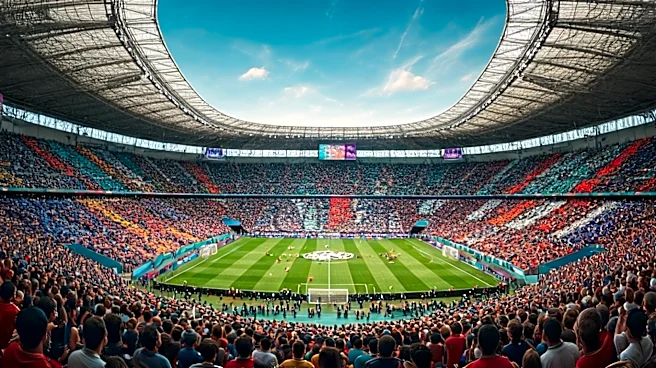
As the World Cup moves into hyper-modern, technologically advanced venues, a new kind of atmosphere is emerging. The stadiums of Qatar 2022, with their air conditioning and pristine facilities, offered comfort and safety but sometimes struggled to replicate the raw, organic energy of older grounds. The upcoming 2026 World Cup in North America will feature state-of-the-art NFL stadiums, built more for the American spectator experience—Jumbotrons, diverse food options, comfortable seating—than for the unified, swaying chaos of a European or South American stand. This creates a different vibe: more of a premium entertainment event than a grassroots expression of passion. While the passion of the fans will undoubtedly be there, the sterile perfection of the venue itself can create a different, more subdued, and commercialized backdrop for the beautiful game.