



1. Master the Modern Blazer
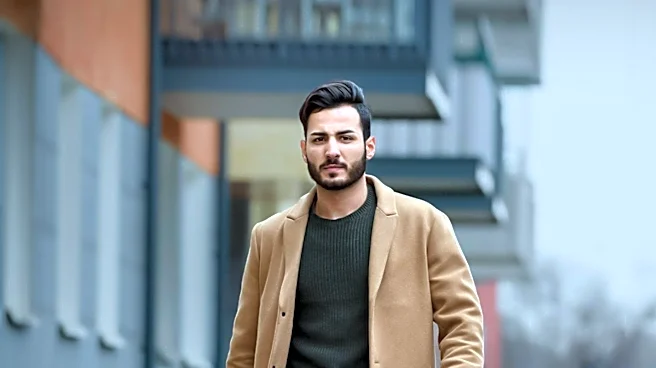
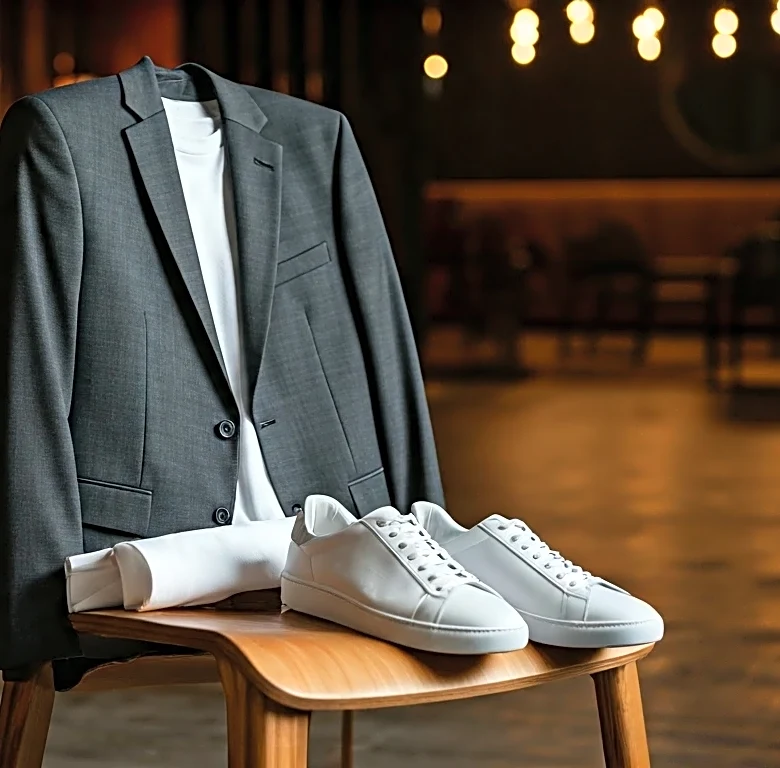
The foundation of a great premiere look isn't a stuffy suit; it's a perfect blazer or sport coat. The key is to avoid anything that looks like it belongs in a corporate boardroom. Think less about matching sets and more about a standout jacket that serves
as the centerpiece of your outfit. Look for interesting textures like velvet, corduroy, a rich wool, or even a subtle pattern like a glen plaid or herringbone. Fit is non-negotiable: it should be sharp in the shoulders but comfortable enough to move in. A modern, slightly shorter cut often feels more contemporary than a traditional, longer jacket. Don't be afraid of color. While navy and charcoal are safe, a deep burgundy, olive green, or camel blazer projects confidence and personality, which is the essence of 'downtown' style.
2. Ditch the Dress Slacks (Maybe)
A downtown premiere dress code is more flexible than a traditional red carpet. While impeccably tailored trousers are always a win, you have other, more interesting options. Consider a pair of high-quality, slim-fit dark denim jeans. The key here is 'high-quality'—we’re talking deep indigo or black, with no rips, distressing, or excessive fading. The fit should be clean and tailored. Alternatively, well-cut chinos in a dark color like charcoal, navy, or olive offer a perfect middle ground between formal trousers and casual jeans. Wool trousers with a modern cut also work beautifully, especially when paired with a more casual top. The goal is to create a deliberate contrast: a sharp blazer with dark denim, for example, feels intentional and effortlessly cool.
3. Rethink What's Under the Jacket
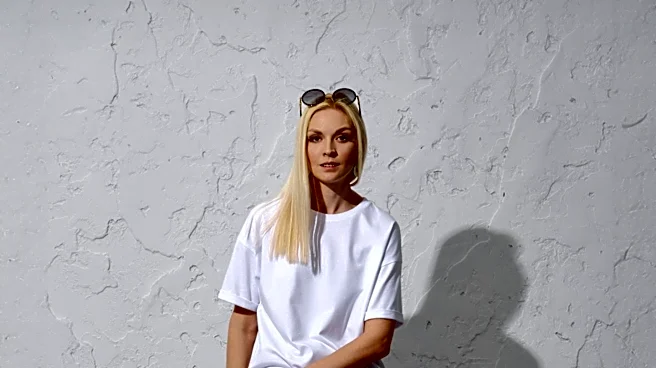
A starched white dress shirt and a power tie are out of place here. The vibe is relaxed but elevated. Your best bet is often a high-quality, well-fitting crewneck T-shirt in a neutral color like black, white, gray, or navy. The fabric makes all the difference—a premium supima cotton or merino wool tee hangs better and looks more luxurious than a standard undershirt. Other strong options include a fine-gauge knit, like a merino wool sweater or a mock neck, which adds a touch of sophisticated, '70s-inspired cool. A knit polo can also work, especially if it's a solid, dark color without a loud logo. By simplifying what’s under the blazer, you let the jacket do the talking and keep the entire look from feeling try-hard.
4. Step Up Your Shoe Game
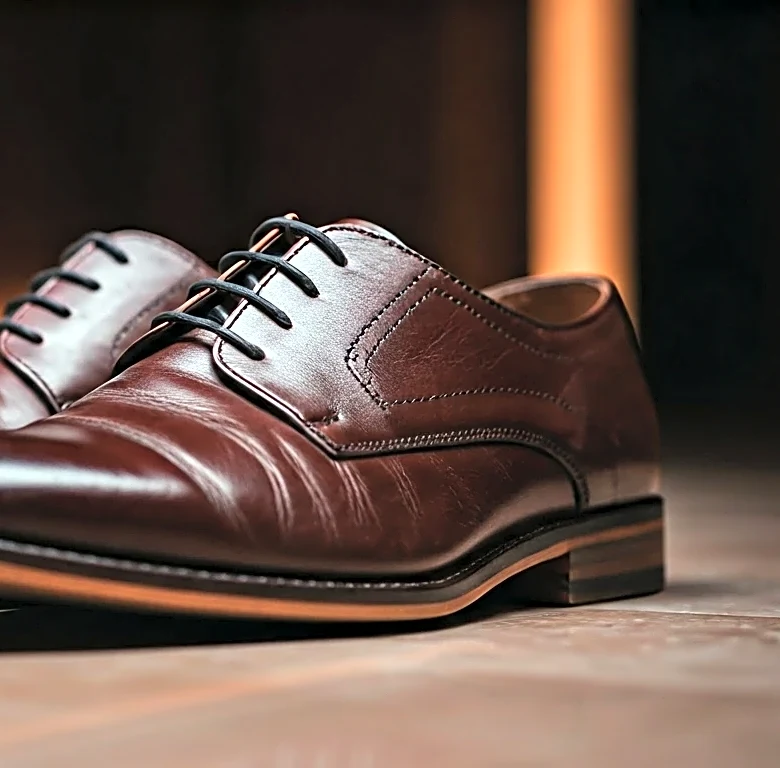
Your shoes are the anchor of the outfit and can make or break the entire look. While you might be tempted to wear your everyday sneakers, a premiere calls for something more considered. If you must wear sneakers, they need to be immaculate: minimalist leather kicks in white or black, with zero scuffs or dirt. A better choice, however, is a pair of polished leather boots. A Chelsea boot or a sleek lace-up dress boot strikes the perfect balance between rugged and refined. They pair equally well with dark jeans or tailored trousers. Leather loafers are another excellent option, offering a touch of classic style without the formality of an oxford or derby. Whatever you choose, make sure they are clean, polished, and in good condition. Worn-out shoes will instantly cheapen an otherwise perfect outfit.
5. Accessorize with Intention, Not Obligation
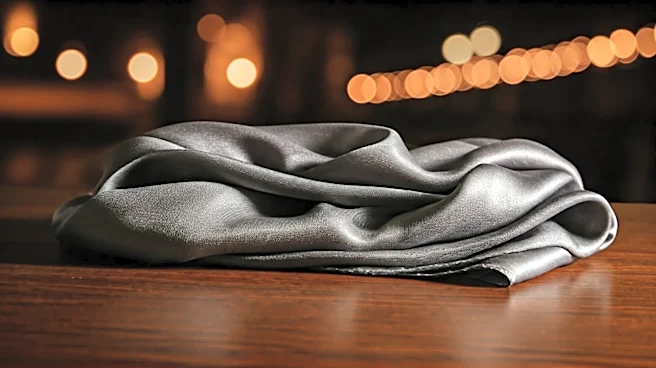
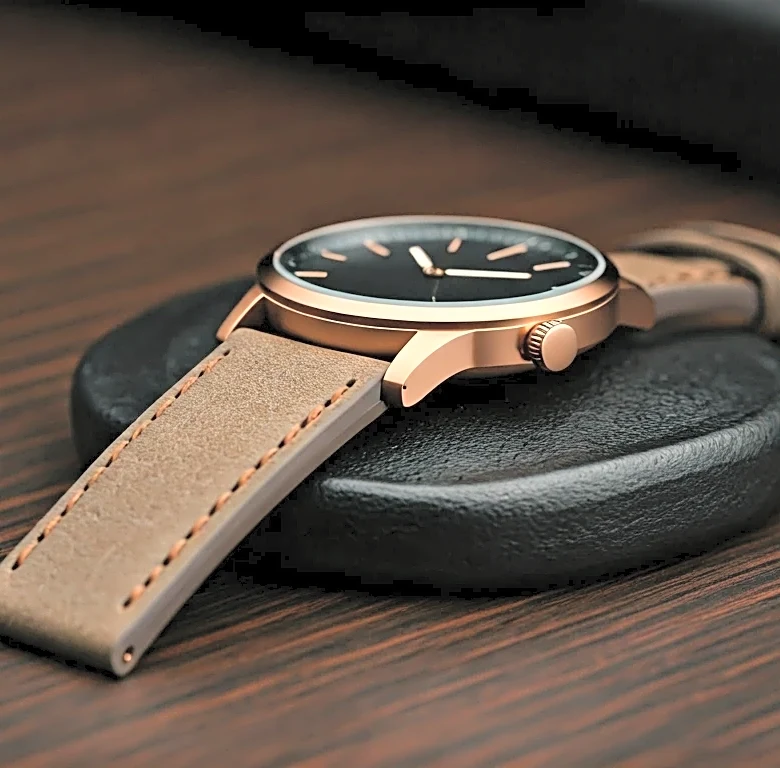
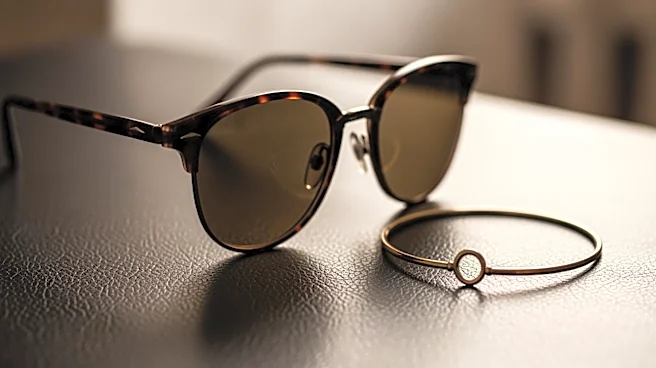
Accessories are where you can inject your personality, but the rule is 'less is more.' A tie is almost always unnecessary and can even look dated in this context. If you feel naked without something around your neck, consider a silk scarf tucked into your jacket for a dash of bohemian flair. The most important accessory is a good watch. It doesn't need to be extravagantly expensive, but it should be classic and clean—think a simple leather strap or a metal bracelet. A subtle piece of jewelry, like a simple chain or a single ring, can add a personal touch. Finish with a quality leather belt that complements your shoes, but don't feel locked into a perfect match. The goal is coordination, not conformity.