






The Illusion of a Can't-Miss Slasher
The recipe for a 'Halloween' hit seems foolproof. You start with one of cinema's most recognizable villains, add a tense score, and unleash him on a terrified town. This approach worked brilliantly for 'Halloween' in 2018, which ignored decades of convoluted
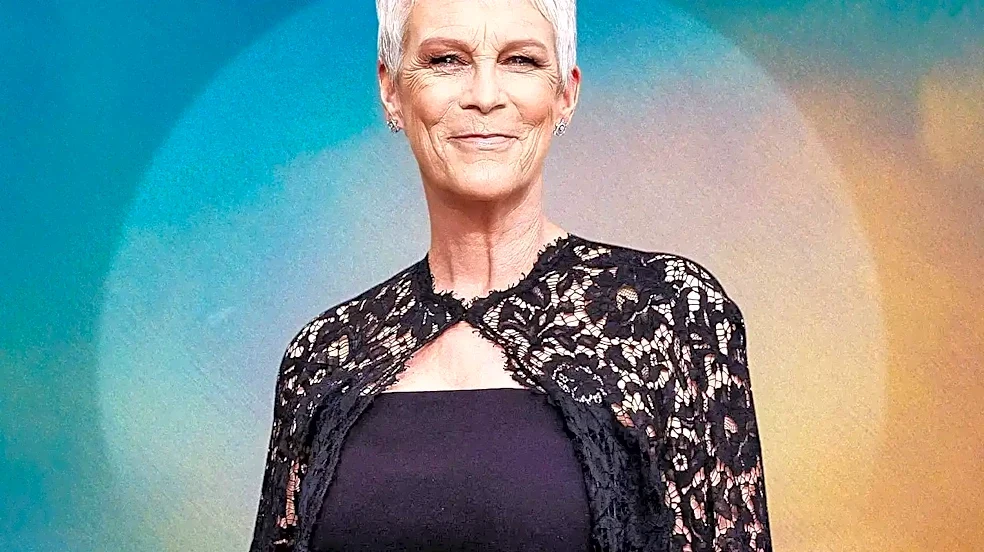
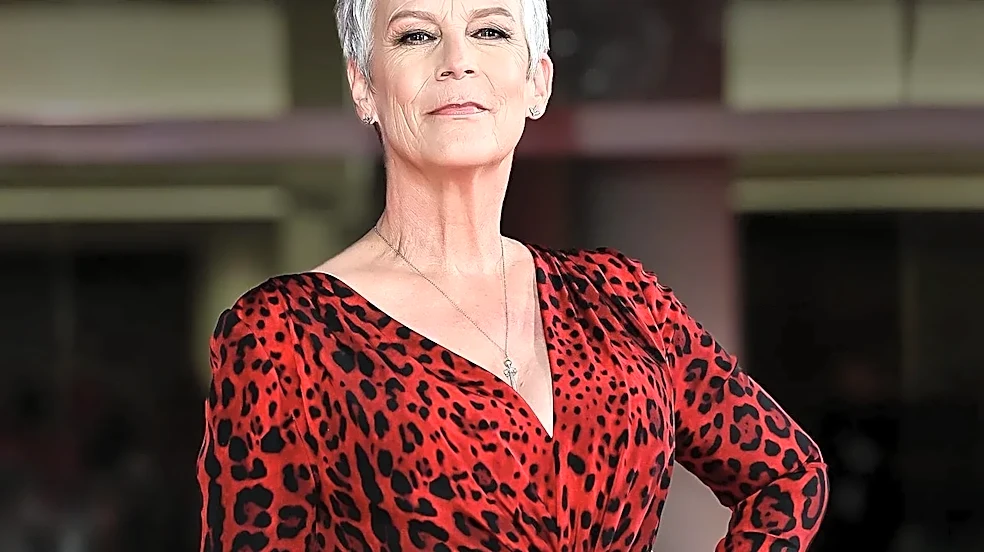
sequels to become a massive critical and commercial success. It grossed over $255 million worldwide on a modest budget, proving audiences were hungry for a return to the franchise's roots. That film's success wasn't just about nostalgia; it delivered a compelling story of trauma and survival, led by a powerful performance from Jamie Lee Curtis. It reaffirmed the core appeal of the slasher formula when executed with skill and a fresh perspective.
When an Icon Becomes Overexposed
The triumph of 2018's reboot led to an ambitious trilogy, but the sequels, 'Halloween Kills' and 'Halloween Ends', saw diminishing returns both financially and with audiences. While still profitable, they failed to recapture the first film's magic. 'Halloween Kills' was criticized for its repetitive 'evil dies tonight' mantra, while 'Halloween Ends' made the controversial choice to sideline Michael Myers for much of the film in favor of a new character, Corey Cunningham. This creative gamble left many fans feeling betrayed and confused. It highlighted a classic Hollywood problem: franchise fatigue. Even the most beloved characters have a saturation point, and audiences can quickly tire of seeing the same ideas rehashed without sufficient innovation.
The Streaming Disruption
A major factor in the trilogy's uneven performance was its release strategy. 'Halloween Kills' and 'Halloween Ends' were both released simultaneously in theaters and on the Peacock streaming service. This day-and-date model, while boosting subscriber numbers for the streamer, undeniably undercut the theatrical box office. Many potential ticket-buyers opted to stay home, diluting the opening weekend buzz and long-term theatrical revenue. This decision trained audiences to see a major horror premiere not as a must-see cinematic event, but as just another piece of content available in their living room. The communal experience of being scared in a dark theater, a key driver for horror's traditional success, was suddenly optional.
An Evolving Appetite for Fear
While 'Halloween' was struggling to stick its landing, the horror genre itself was thriving by moving in new directions. The 2020s have seen an explosion of original, creator-driven horror films that have become both critical darlings and box office giants. Movies like 'Get Out', 'Hereditary', and 'The Backrooms' proved that modern audiences crave more than a simple body count. They want psychological depth, social commentary, and unpredictable stories that break from established formulas. This new wave of 'elevated' and high-concept horror has raised the bar. Today's horror fan doesn't just want to be startled; they want to be challenged. A familiar mask and a kitchen knife are no longer enough to compete.