







The Myth of the 12th Man
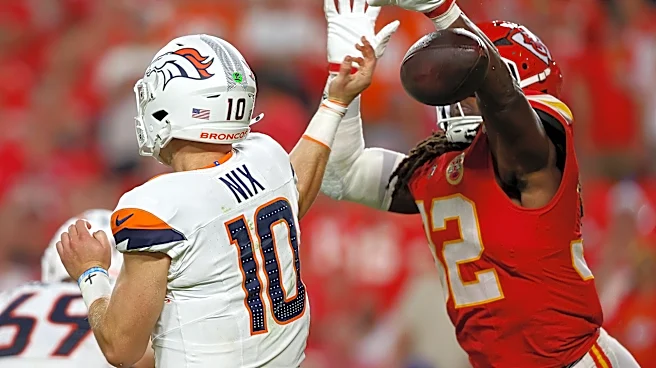
In sports, the idea of a home crowd acting as an extra player—the “12th man” in football or the “sixth man” in basketball—is gospel. We see it in the record-breaking decibel levels at stadiums like Kansas City's Arrowhead, where the roar once hit 142
decibels. The logic is simple: a supportive crowd provides a surge of energy, intimidates the visitors, and can even influence referees. For decades, home teams have consistently won more than half of their games, a phenomenon largely attributed to the crowd. But this advantage has been shrinking. While the energy is real, its effect isn't always positive. The assumption that louder is always better ignores the fragile psychology of high-stakes performance.
Good Stress vs. Bad Stress
The core of the issue lies in a psychological principle called the Yerkes-Dodson law. It states that performance improves with mental arousal—like excitement and focus—but only up to a certain point. After that peak, too much arousal causes performance to plummet. Think of it as an inverted U-curve. Low arousal is boredom. Moderate arousal is the sweet spot of peak performance. But excessive arousal leads to anxiety and mistakes. A roaring crowd can easily push athletes past that optimal point. Instead of providing a helpful boost, the overwhelming noise and expectation can trigger over-arousal, leading to a state of anxiety where fine motor skills and complex decision-making break down. A quarterback might overthrow a simple pass, or a basketball player might miss a crucial free throw.
When Support Becomes Pressure
For the home team, a rabidly supportive crowd isn’t just a source of energy; it’s a massive amplifier of expectation. Every cheer is a reminder of the stakes and the intense desire not to disappoint thousands of passionate fans. This can create a “cost of failure” dynamic, where athletes become more focused on avoiding a humiliating loss at home than on playing to win. This fear of embarrassment can cause players to become tentative, second-guess their instincts, or “choke” under pressure. The noise that was meant to be a safety net instead becomes a tightrope, and the fear of falling can become a self-fulfilling prophecy.
Fuel for the Opposition
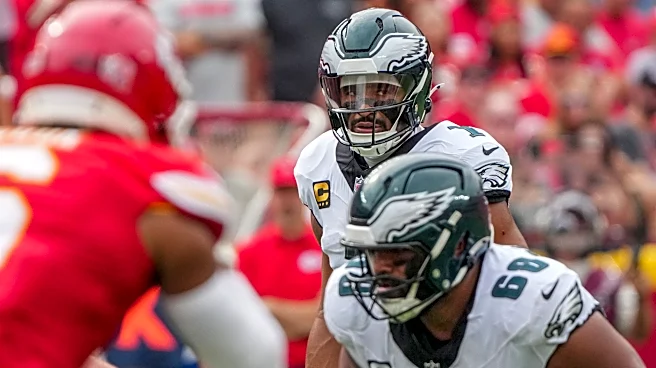
While the home team might be struggling with over-arousal, a hostile road environment can have the opposite effect on their opponents. For many elite athletes, being the villain is a powerful motivator. A deafeningly hostile crowd can foster an “us-against-the-world” mentality that sharpens focus and builds resilience. The noise becomes a challenge to be overcome, a force to silence. Instead of getting distracted or intimidated, visiting teams can use the chaotic environment to block everything out and zero in on their game plan. This is why you sometimes see visiting teams play with a strange sense of calm and precision in the most intimidating arenas, seemingly immune to the sonic assault being thrown at them.