



Myth: It's Only Black, White, and Beige
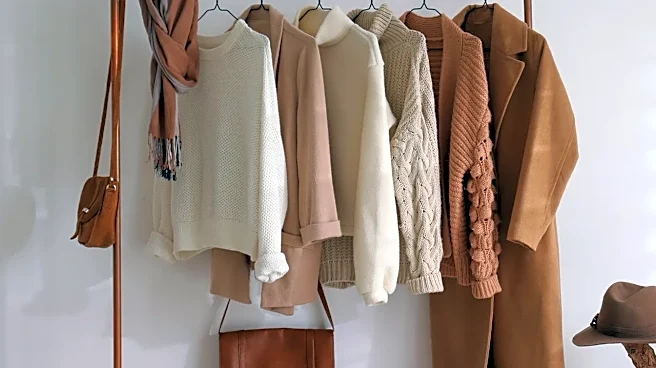
The most persistent cliché about Scandinavian style is its strict adherence to a neutral, minimalist palette. Capsule wardrobe advice leans into this, suggesting a foundation of black, white, gray, and camel is the key to effortless dressing. While Danes
certainly appreciate the timeless appeal of monochrome and earthy tones, viewing their style as solely minimalist is a fundamental misunderstanding. Black is a staple, yes, but it often serves as a canvas rather than the entire painting. The idea that Copenhagen closets are devoid of color is one of the biggest myths out there.
Reality: It's About Joyful, Strategic Color
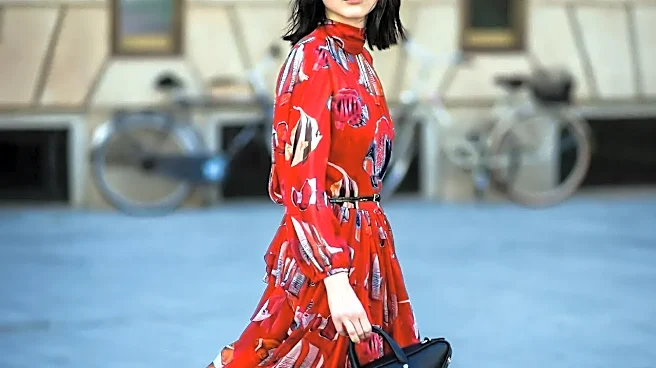
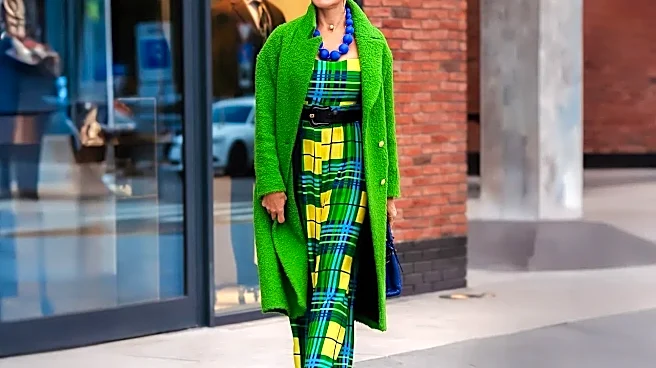
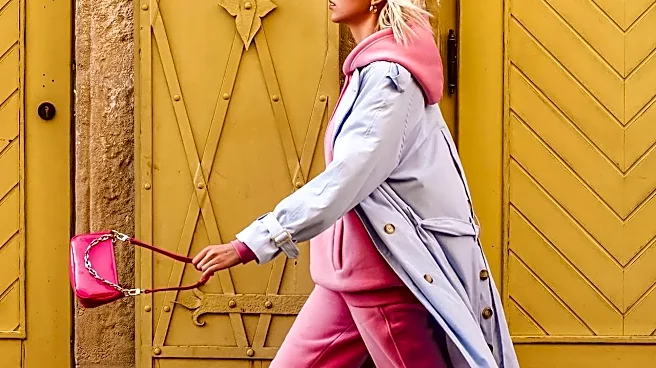
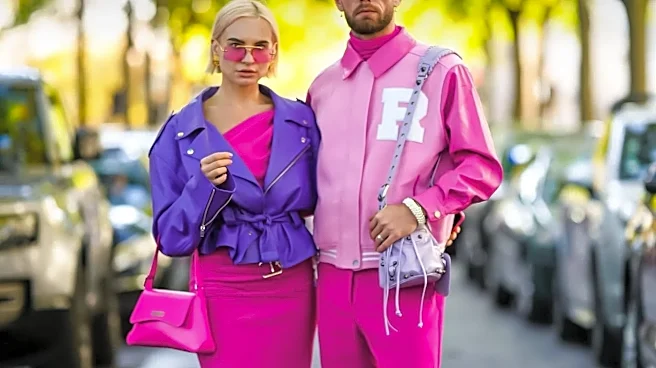
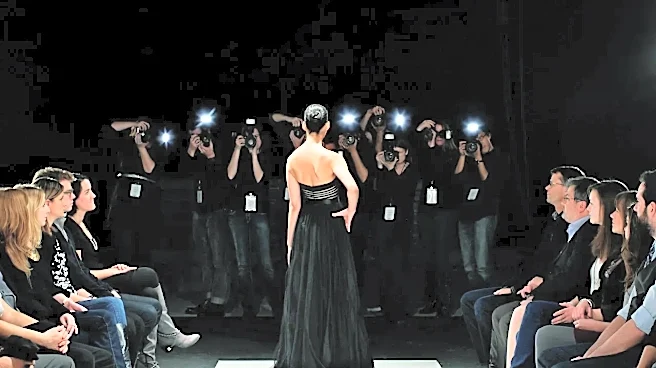
Take one look at street style from Copenhagen Fashion Week, and you'll see a vibrant explosion of personality. Danish women masterfully incorporate pops of high-contrast brights, from fuchsia and cobalt to tangerine and kelly green. They embrace playful prints, unexpected color-blocking, and soft pastels that bring energy to an outfit. The key is that color is used with intention. It's not about chasing every fleeting micro-trend, but about finding shades and patterns that express individuality and spark joy, even on a gloomy, drizzly day. Think of a bright knit sweater, a colorful bag, or a printed dress layered under a classic trench coat.
Myth: A Tiny, Rigid Wardrobe Is the Goal
The capsule wardrobe concept often comes with a magic number—37 items, 33 items, 10 items. It promotes a highly structured, almost Spartan approach to ownership, where every piece must be ruthlessly versatile. The goal is often presented as reduction for reduction's sake. While Danes value quality over quantity and invest in pieces that last, the aim isn't to have the smallest wardrobe possible. This rigid framework misses the point of the Danish lifestyle, which is less about restriction and more about contentment and practicality.
Reality: It's a Practical, Personal Collection
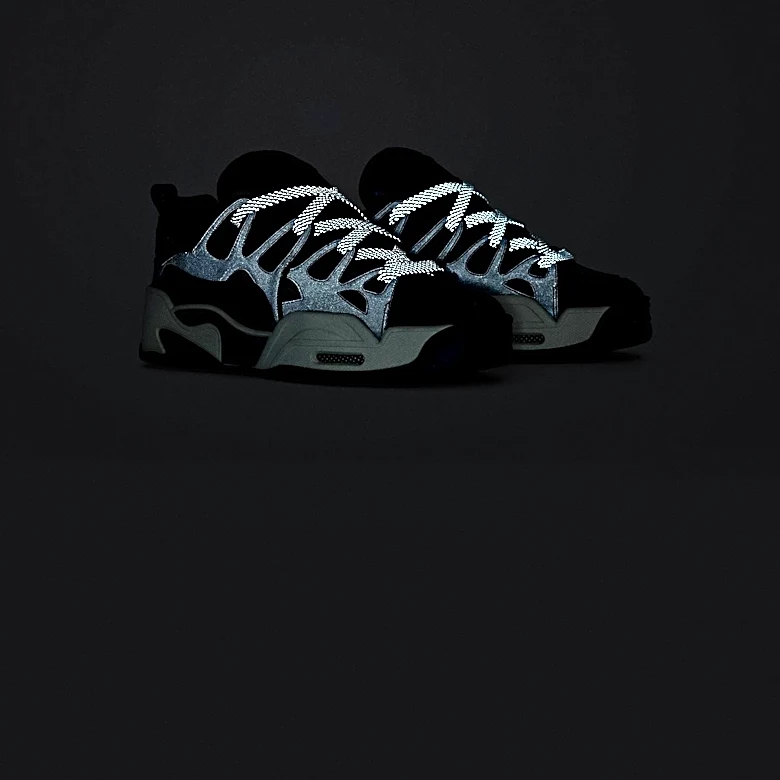
Danish style is fundamentally shaped by Danish life. People bike everywhere, in all weather, so clothing must be functional. This means practical footwear like sneakers or chunky boots, expert layering for unpredictable temperatures, and fabrics that are comfortable and durable. More importantly, it’s about creating a wardrobe that feels like 'you.' This includes keeping beloved vintage finds, sentimental items, and quirky accessories that may not 'go' with everything but are essential to personal expression. The focus is on building a thoughtful collection of items you genuinely love and live in, not adhering to a strict inventory count.
Myth: It's All About Understated Elegance
The image of Danish style is often one of quiet, refined, and serious elegance. While that's part of the story, it's an incomplete one. The obsession with a perfectly polished, head-to-toe look can feel sterile and misses the playful spirit inherent in Copenhagen fashion. The 'rules' of classic styling are often seen as mere suggestions. Dressing isn't a solemn affair; it's a form of expression that embraces imperfection and character.
Reality: 'Hygge' and a Bit of 'Wrong' Are the Secret Ingredients
Two concepts are essential to understanding Danish dressing: 'hygge' and the art of the 'wrong' element. Hygge, the famous Danish concept of coziness and contentment, applies directly to clothing. It's the feeling of a soft, oversized cashmere sweater, fabrics that feel good against your skin, and clothes that offer comfort and security. This is paired with a deliberate touch of imperfection. Stylists refer to the 'wrong shoe theory,' where a fancy dress might be paired with casual boots, or a simple jeans-and-sweater outfit is elevated with sparkly heels. This contrast—leaving hair a bit undone, scuffing your shoes, clashing patterns—is what prevents the look from becoming too precious and gives it that signature, effortless Danish cool.