


The Old, Rigid TV Calendar
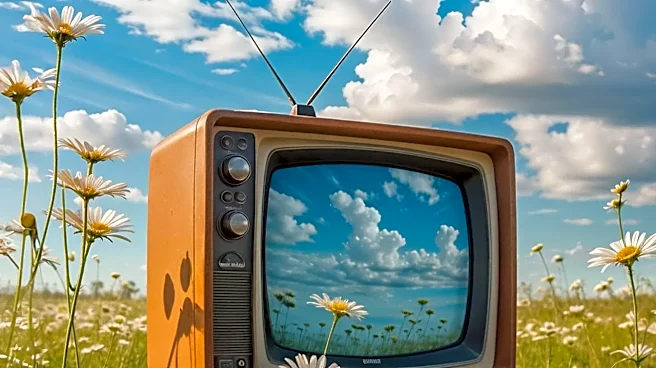
For decades, the television universe operated like clockwork. The broadcast season officially started in September, ran through May, and then took a long summer vacation. This structure was a holdover from the days of the Big Three networks—ABC, CBS,
and NBC—when television advertising was tied to the fall-to-spring calendar. Summer was seen as a dead zone. Viewers were assumed to be on vacation or spending time outdoors, not glued to their living room sets. For networks, it was a time to burn off failed pilots, air reruns of their biggest hits, and save their marketing dollars for the all-important fall launch, when new cars were released and holiday shopping began. Cable offered a slight alternative, sometimes using the summer to launch quirky shows that couldn't compete with the broadcast giants, but the September-centric model remained the industry’s gravitational center.
When Streaming Killed the Calendar
Then came streaming, and the calendar wasn't just ignored—it was obliterated. Services like Netflix, and later Hulu, Prime Video, and HBO Max, operated on a global, 24/7/365 schedule. They weren't bound by ad sales cycles or the concept of a "season." Their goal was simple: keep subscribers from canceling. The best way to do that was with a constant IV drip of new, buzzy content. A major show could drop on a Tuesday in March or a Friday in July. Viewership was no longer about a specific time slot but about on-demand access. This shattered the old logic. When every month is a premiere month, the competition never stops, forcing every network and service to find any available opening to capture audience attention. The idea of an "off-season" became a relic.
Why August Became Prime Real Estate
As the streaming wars intensified, every month became a potential battleground, and August emerged as a surprisingly strategic spot. With the May 31 Emmy eligibility deadline long past, the pressure of last-minute awards contention is off. Instead, August serves as a launchpad for the next awards cycle, giving a show ample time to build buzz before the following spring's deadline. More importantly, it’s a sweet spot in the audience’s calendar. The July 4th holidays are over, and many summer vacations are wrapping up. It's hot outside, and people are looking for air-conditioned entertainment. Yet, the overwhelming noise of the fall TV and film season hasn't quite begun. August is a brief, relatively quiet corridor. It’s the last chance to launch a big show before it gets lost in the September-October crush of network premieres, the start of the NFL season, and the beginning of the holiday movie blitz. It’s the calm before the storm, making it the perfect time for a stealthy, high-impact launch.
From TV Desert to Destination
The proof is in the programming. In recent years, August has seen the launch of major franchise tentpoles and critical darlings. For instance, August 2026 is seeing the arrival of DC's highly anticipated "Lanterns" series on HBO Max and new seasons of established hits. This follows a trend where everything from Marvel and DC shows to buzzy original thrillers have staked a claim in the late summer. Streamers and cable networks now treat August as a legitimate premiere window, scheduling some of their most promising titles to capture audiences before they are pulled in a dozen different directions. What was once an afterthought is now a destination, a month where your next favorite show is just as likely to debut as it is in the traditional heart of the fall season.