








The Illusion of Organized Chaos
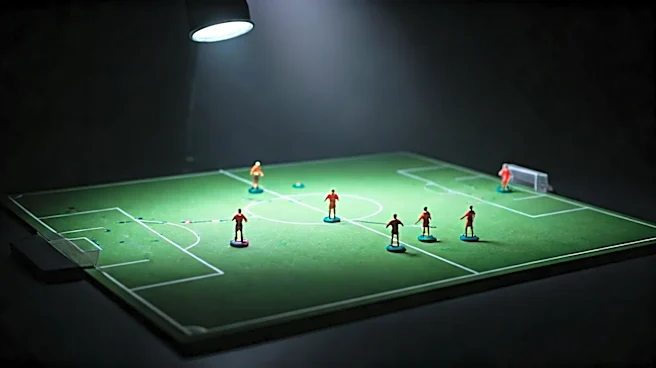
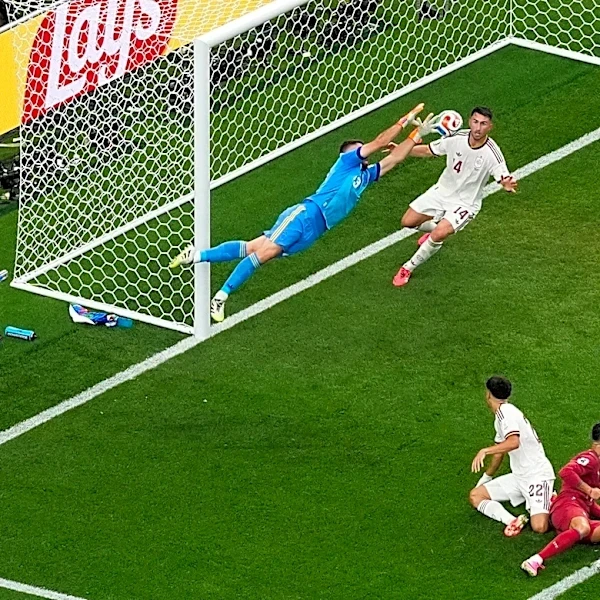
The penalty area during a corner is a masterclass in misdirection. It's designed to look like a messy, desperate free-for-all, but nearly every player has a specific assignment. The goal isn't just to score, but to create a high-quality chance in a situation
where goals are statistically unlikely; only a small percentage of corners lead directly to a shot, let alone a goal. Attackers are running pre-planned routes to drag defenders out of position, set screens (or "blocks") on opponents to free up a teammate, and act as decoys. Defensively, teams are set up in carefully arranged structures to control key spaces and neutralize the most dangerous threats. It’s a chess match squeezed into a few frantic seconds.
Attacking Blueprints: The In-Swinger vs. The Out-Swinger
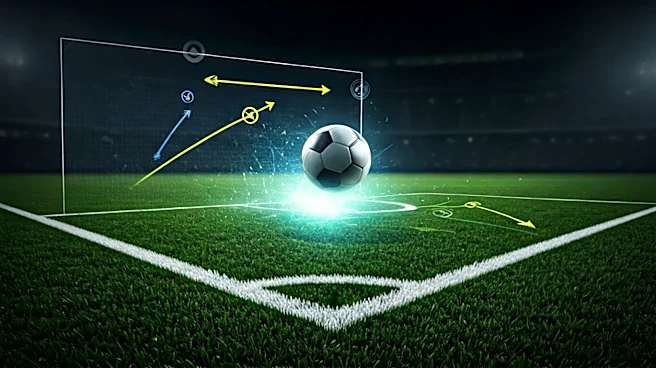
The design starts with the kick itself. The taker has two primary options for a traditional cross. An "in-swinger," where the ball curls toward the goal, is dangerous because it forces the goalkeeper to make a difficult decision and brings the ball closer to the net. Any slight touch can result in a goal. An "out-swinger," which curls away from the goal, is often aimed at pulling defenders away from the net. This allows attackers to run onto the ball with momentum, generating more powerful headers, though often from a bit further out. Some teams even opt for a "short corner," passing the ball to a nearby teammate to change the angle of attack and disorganize a defense set up for an aerial assault.
The Moving Parts: Runs, Blocks, and Decoys
This is where the real choreography happens. Attacking teams use a variety of movements to create space. You’ll often see "blocks," where one attacker subtly impedes a defender from tracking a specific teammate, creating a precious yard of separation. Another common tactic is the "love train," where several players line up behind each other and then scatter in different directions as the ball is kicked, making them incredibly difficult for defenders to mark. Other routines involve players making decoy runs to the near post to drag defenders with them, opening up space at the far post for the real target. It’s a symphony of synchronized movement designed to give one attacker a free header.
Defensive Counter-Moves: Zonal, Man-to-Man, or Hybrid?
For every attacking design, there is a defensive counter-plan. The two classic approaches are man-marking and zonal marking. In man-marking, each defender is assigned a specific attacker and must stick to them no matter where they run. This ensures accountability but can be exploited by clever movement and blocks that drag defenders out of position. In zonal marking, defenders are responsible for a specific area—like the near post or the six-yard box—and must attack any ball that enters their zone. This maintains defensive structure but can leave attackers free to get a running start into a zone. Today, most elite teams use a hybrid system, combining zonal coverage in the most dangerous areas with man-marking on the opponent's biggest aerial threats.
The Rise of the Set-Piece Coach
The clearest evidence of the corner kick's strategic importance is the emergence of the set-piece specialist. Top clubs worldwide now employ coaches whose sole responsibility is to design and drill attacking set plays while also analyzing and preparing for opponents' routines. These specialists spend hours poring over video, looking for weaknesses in a defensive setup or a specific player to target. They are the unseen architects behind many crucial goals, turning what used to be a hopeful punt into a calculated scoring opportunity. Their growing influence proves that in a game of fine margins, a well-designed corner is no longer a bonus—it's a necessity.