








Establish the Vibe First
Before you send a single text, decide what kind of gathering you want. Is this a die-hard fan event where silence is demanded during crucial plays? Or is it a casual hangout where the game is just background noise for good conversation? Setting this expectation
from the start is the single most important step. It dictates the guest list, the food, and the setup. For a serious viewing party, you might want fewer guests who are all invested in the match. For a casual affair, a bigger, more fluid crowd works well. Communicate this vibe in your invitation. A simple "Come watch the game!" sends a different message than "Let's hang out while the game's on." Clarity prevents mismatched expectations and ensures everyone has a good time, including you.
The Smart Food Strategy
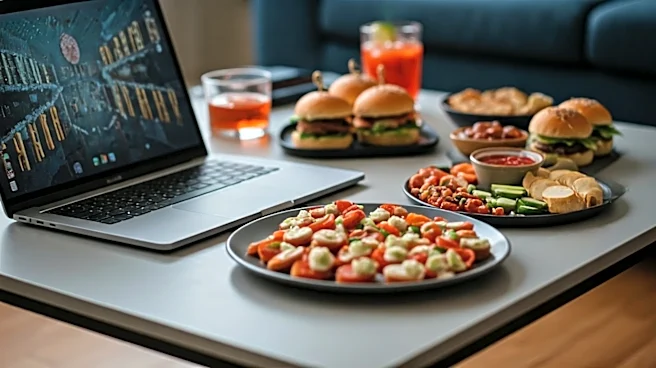
The party lives and dies by the food, but that doesn't mean you need to spend the entire day in the kitchen. The key is choosing a menu that can be mostly prepared ahead of time and requires minimal management during the event. Think big-batch, low-maintenance dishes: a giant pot of chili or pulled pork for sandwiches that can be kept warm in a slow cooker. Dips, a charcuterie board, or a taco bar are also excellent options that allow guests to serve themselves. Don't be a hero—outsource. There is no shame in ordering a few pizzas or asking guests to contribute. A potluck-style party is a fantastic way to ease your burden and ensure a variety of options. Just be sure to coordinate who brings what (e.g., appetizers, sides, dessert) to avoid ending up with seven bags of chips.
Curate Your Guest List Wisely
Not everyone is a good game day guest. When building your invite list, think about social chemistry. You want a group that will mesh well, especially in the close quarters of a living room. Mix in a few social butterflies who can help carry conversations and make sure newcomers feel welcome. Be mindful of group size relative to your space. A crowded room can quickly become hot and uncomfortable, making it hard for anyone to see the screen or move around. A good rule of thumb is to have a comfortable seat for every serious viewer, with extra space for mingling. Send invites about two weeks in advance with a clear RSVP date. This gives you a firm headcount for food and drink calculations, which is crucial for minimizing waste and stress.
Set Up Your Space for Success
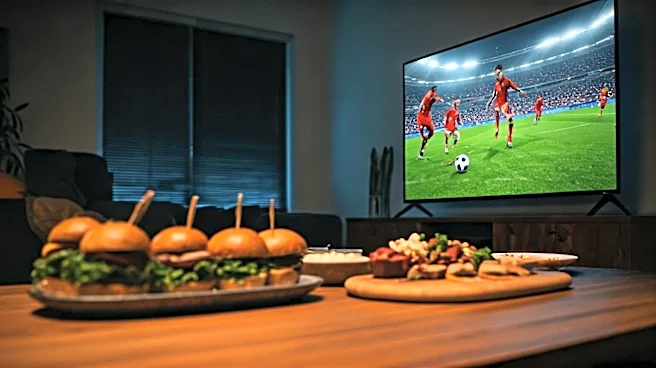
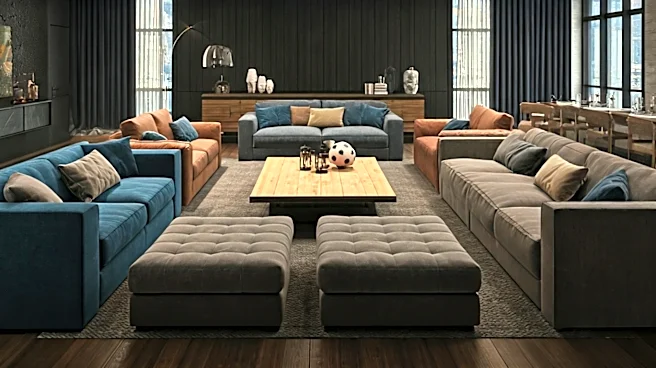
On game day, your home is the stadium. Arrange your furniture to maximize viewing angles for the TV, ensuring the screen is the clear focal point. If you have extra chairs, bring them in. If not, floor pillows and blankets can create a cozy, informal seating area. Create a separate, designated zone for food and drinks away from the main viewing area. This prevents people from blocking the screen when they go for a refill and minimizes the risk of spills on your couch. Also, set up a clear and accessible spot for trash and recycling. The easier you make it for guests to clean up after themselves, the less work you'll have at the end of the night. Finally, check your tech—TV, sound system, and streaming service—an hour before guests arrive to avoid any last-minute technical panics.
Let Go and Enjoy the Game
You've done the prep work. Your home is ready, the food is laid out, and your friends are arriving. Now comes the hardest part for any host: relaxing and trusting your plan. Once the party starts, your job shifts from planner to participant. Resist the urge to constantly tidy up or fuss over the food. Your guests are there to see you, not to see you work. If you're relaxed and having fun, that energy will be contagious. People remember the feeling of a party far more than they remember if the dip was homemade. So grab a plate, find a seat, and let the chaos of the game—not the party—take center stage.