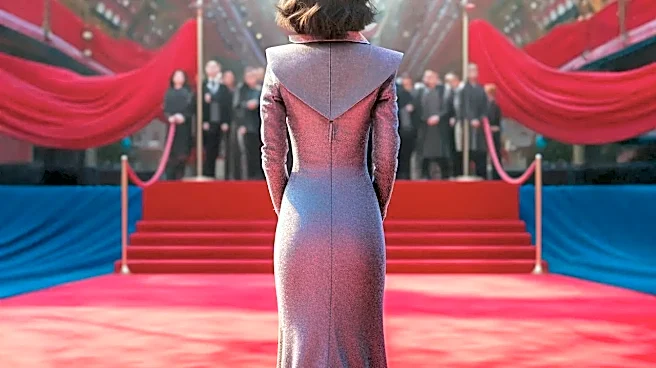



The Allure of the Red Carpet Gala
Every major film festival needs its heavy hitters, and London is no exception. Galas are the glossy, high-profile premieres designed to attract media attention, sponsors, and the biggest names in the industry. For the 2026 festival, this means premieres like
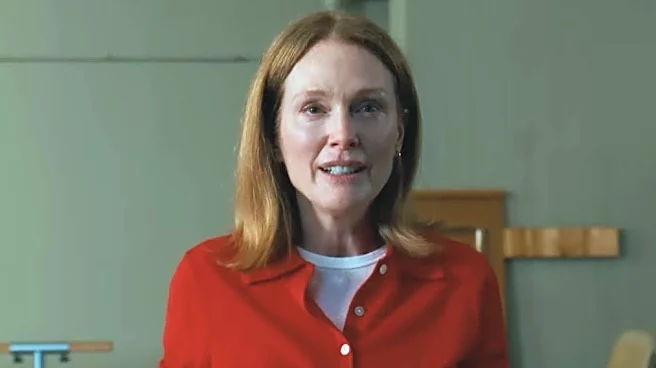
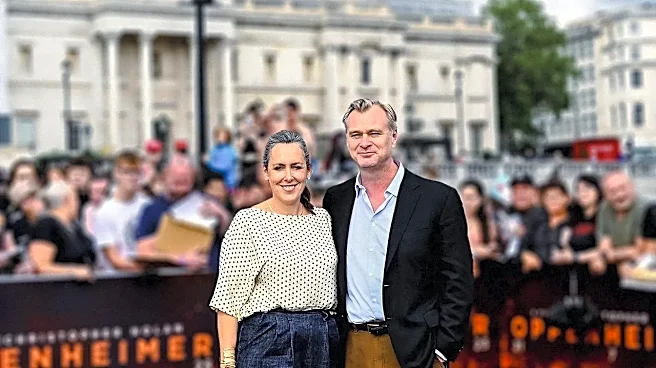
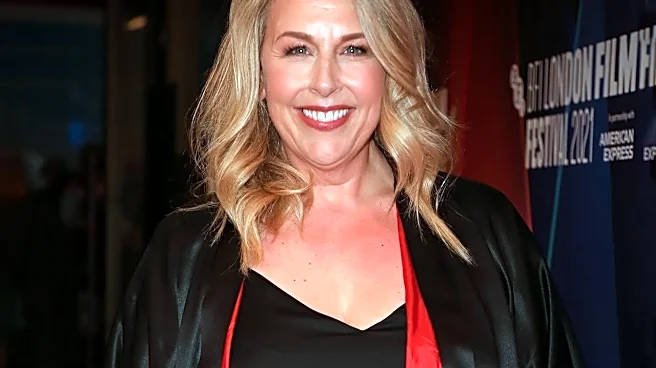
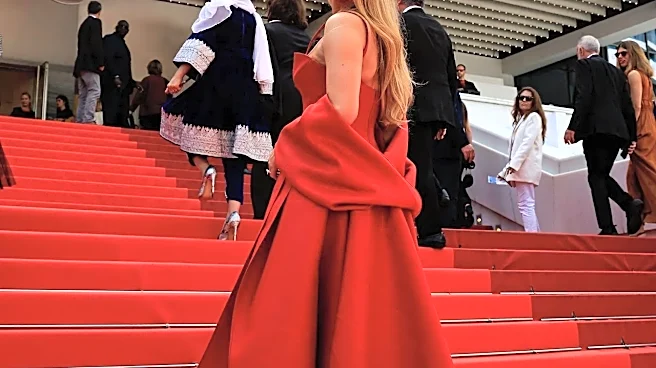
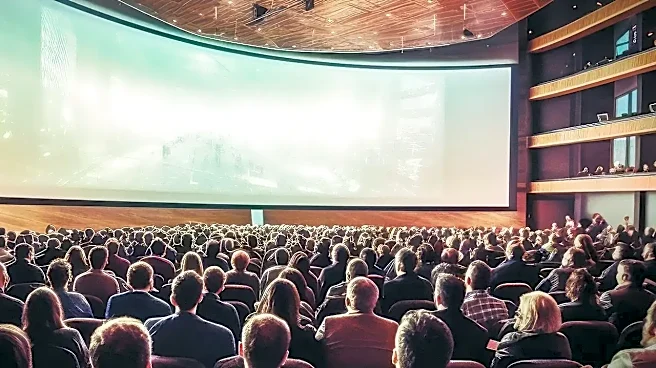
'Elsinore', starring Andrew Scott and Olivia Colman, and 'The Debut', a Jesse Eisenberg-directed comedy featuring Julianne Moore. These films, screened at the prestigious Royal Festival Hall, provide the glamorous sizzle that puts a festival on the global map. They are the 'wow moments' that festival director Kristy Matheson mentions, essential for broad appeal. It’s a proven formula: secure a star-studded European or World premiere, roll out the red carpet, and let the press coverage roll in. This is the festival as a premiere event, a vital part of its ecosystem and public face.
Finding the Festival's True Heart
But look past the gala listings, and you'll find where the BFI London Film Festival truly defines its character. The program is carved into thematic strands—'Love', 'Debate', 'Cult', 'Thrill', 'Journey', and 'Create'—that guide audiences toward specific cinematic moods and ideas rather than just big names. This curatorial approach transforms the festival from a simple parade of premieres into a journey of discovery. It’s a strategy that allows programmers to champion films that might otherwise be overshadowed. These sections are packed with international features, documentaries, and debuts from emerging filmmakers that form the festival's creative core. This is where you'll find the challenging, the weird, and the wonderful; the films that spark conversation long after the credits roll.
This Year's Hidden Gems
So what does this look like in practice? In 2026, it means audiences can pivot from a major gala to something like 'La Bola Negra', a Spanish-language film inspired by the poet Federico García Lorca that explores queer heritage across decades. Or they might seek out 'Club Kid', a queer story about a washed-up party promoter who discovers he has a son, which has been earning acclaim on the festival circuit. Other intriguing titles include 'Bunker', a thriller about a billionaire's apocalypse-proof shelter starring Javier Bardem and Penélope Cruz, and 'Artificial', a timely tech thriller from director Luca Guadagnino about the origins of OpenAI. These films don't necessarily have the same blockbuster potential as the opening night gala, but they represent a deeper, more adventurous cinematic spirit. They are the kinds of movies that build a festival's reputation among true cinephiles.
A Strategy of Identity and Discovery
This dual-track programming is a deliberate choice. While the galas ensure the festival remains a major player on the world stage, the thematic strands are about building an identity rooted in curation and audience trust. Festival director Kristy Matheson has spoken about making the massive program more user-friendly and delivering a spectrum of experiences for different audiences. This isn't just about showing movies; it's about creating a coherent cultural event. By grouping films by theme, the festival encourages attendees to take risks on films and filmmakers they've never heard of. It’s a model that says, 'If you liked this film in the 'Dare' strand, you might like this other one, too.' This fosters a sense of discovery that differentiates LFF from festivals that are purely market-driven or focused solely on world premieres. It's a long-term strategy for building a loyal, adventurous audience.