

The Runway's Rear-View Mirror
High fashion has always mined the past for inspiration, but London's designers are particularly known for blending heritage with the avant-garde. When a major house like Erdem sends out romantic, historically detailed pieces or a brand like Ahluwalia
reinterprets heritage looks, they aren't just creating new clothes. They are creating a powerful echo. This creates a ripple effect, where specific eras or aesthetics—be it '70s tailoring, '90s silhouettes, or Edwardian lace—are suddenly thrust back into the cultural conversation. The runway essentially acts as a giant, influential mood board, telling the world which parts of fashion history are now relevant again.
From Catwalk to Shopping Cart
This phenomenon is often explained by the classic "trickle-down" theory of fashion. A trend is first introduced by elite designers, adopted by celebrities and influencers, and then filters down to the broader public. As soon as a historically-inspired look appears on a London runway, it's photographed, shared, and discussed globally. Fashion media amplifies the message, and soon, consumers start looking for ways to adopt the trend. While fast-fashion companies rush to produce cheap copies, a growing segment of shoppers has a different impulse. They don't want the copy; they want the original.
The Authenticity Premium
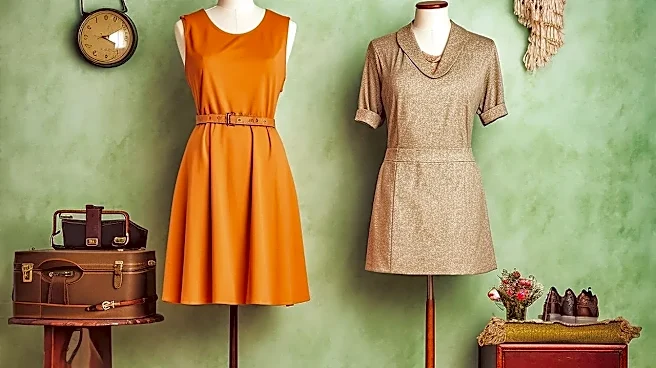
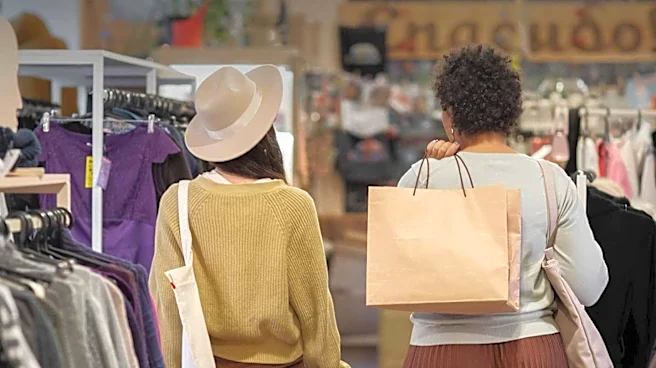
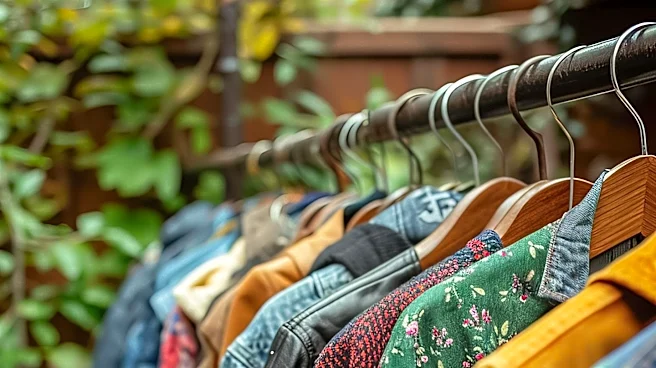
This is where the vintage dealer's opportunity begins. A shopper inspired by a runway’s nod to the '90s doesn't just want a new shirt that looks like it's from 1996; they want an actual shirt from 1996. Vintage shops are treasure troves of these authentic pieces. They offer the genuine article, complete with the quality, character, and story that a modern imitation lacks. This demand for authenticity allows dealers to position their inventory not as old clothes, but as the real-deal inspiration behind today's luxury trends. They can sell a story and a piece of history, something fast fashion can't replicate.
A Rising Tide for Resale
When a runway trend aligns with a dealer's existing inventory, it’s like a free marketing campaign. That dusty rack of '80s power blazers or '60s mod dresses suddenly becomes a hot commodity. Dealers can use the language of the runway to sell their stock, connecting their pieces directly to the season's most talked-about looks. This increased demand allows for better pricing and faster turnover. The secondhand market is already booming, expected to grow significantly in the coming years, and this cycle is a key driver. It transforms a dealer’s collection from a random assortment of old items into a curated selection of currently trending historical artifacts.
Beyond the Bottom Line
The benefits aren't just financial. This dynamic also reinforces the value of sustainable, circular fashion. By giving old garments a new life, the cycle encourages consumers to see clothing as durable and reusable rather than disposable. It celebrates craftsmanship and fashion history, reminding us that the clothes of the past have an enduring appeal. Vintage dealers become more than just merchants; they become curators, archivists, and essential players in a fashion ecosystem that is increasingly aware of its environmental and cultural footprint. They are the custodians of the very history that high fashion continues to borrow.