


Beyond the Brand Name
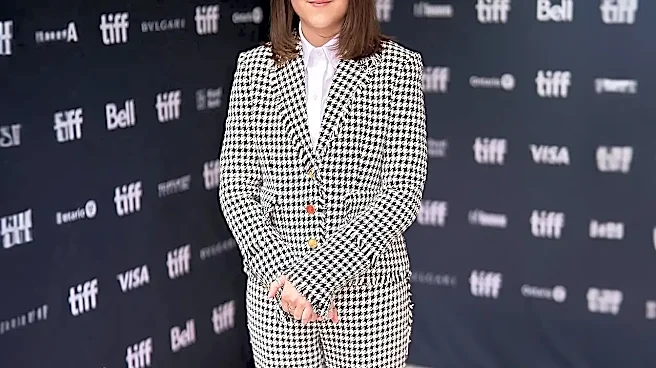
On the red carpets of TIFF 2026, the usual suspects are all present: Chanel, Louis Vuitton, and Dior are draping A-listers from Penélope Cruz to Ayo Edebiri. Yet, something feels different. The conversation isn't just about what celebrities are wearing,
but how they are wearing it. The focus has subtly shifted from the logo on the label to the line of the silhouette. We're seeing fewer borrowed-from-the-runway looks that feel slightly off and more garments that seem molded to the individual. This is the 'quiet luxury' philosophy playing out in real-time, where craftsmanship and impeccable construction speak louder than a brand name. It’s a move away from performative style toward a more personal, confident elegance.
The Unsung Heroes of the Red Carpet
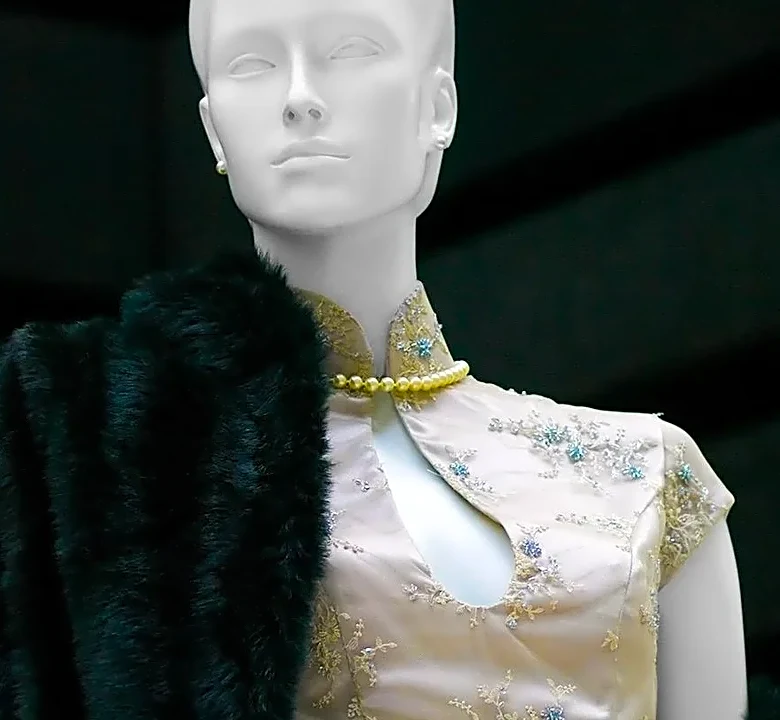
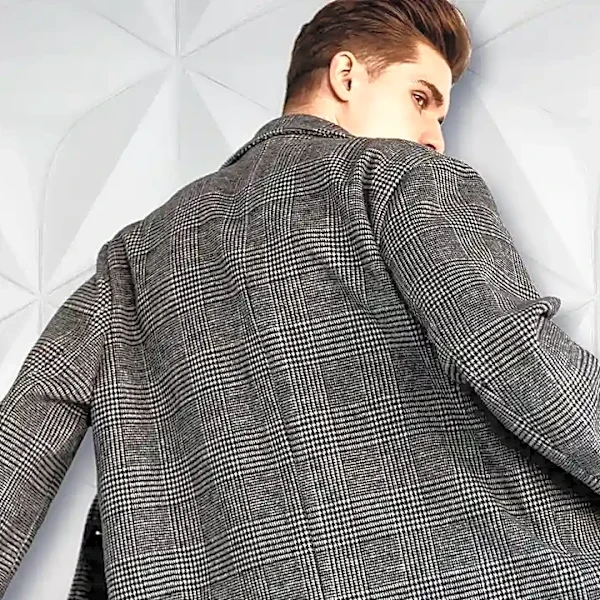
Enter the tailor. For decades, they have been the invisible artisans of Hollywood, the last line of defense between a superstar and a wardrobe malfunction. They are the ones who reconstruct a couture gown worth tens of thousands of dollars in a hotel suite just hours before a premiere, ensuring every seam, dart, and hem is flawless. While stylists choose the look, it’s the tailor who makes it work. This year, their work is more visible than ever. A perfectly sharpened shoulder on a blazer, a waistline that nips in just so, or trousers with a clean, uninterrupted break—these are not happy accidents. They are the result of meticulous, expert tailoring. This elevated focus on fit effectively turns these craftspeople into crucial creative partners, not just last-minute fixers.
Why Fit Is the New Flex
So, why the sudden obsession with fit? There are a few key drivers. First, the relentless scrutiny of social media has turned every red carpet into a global, high-definition event. Where a photograph in a weekly magazine might forgive a slightly rumpled seam, a fan’s zoomed-in screenshot on X or TikTok will not. Every detail is endlessly analyzed, and a perfect fit telegraphs intention, polish, and control. Second, the broader cultural shift towards 'quiet luxury' favors timelessness and quality over fleeting trends. A perfectly tailored suit or a flawlessly fitted gown suggests a deeper appreciation for the garment itself, not just the trend it represents. It’s a flex of taste rather than wealth. At an artist-focused festival like TIFF, which is often seen as more serious than its European counterparts, this intellectual approach to style feels particularly at home.
A Boom for Bespoke
For the small, specialized community of celebrity tailors in hubs like Los Angeles, New York, and even Toronto during the festival, this trend translates into more than just recognition—it means business. Stylists are increasingly building fittings and significant alteration budgets into their planning from the start. They rely on their trusted tailors to not only adjust sizes but to sometimes completely deconstruct and rebuild a garment to suit a client’s body and vision. This deep, collaborative relationship is finally getting its due. The tailor is no longer just a service provider but an essential contributor to the final, celebrated look that is seen by millions around the world. Their ability to transform a beautiful dress into an unforgettable fashion moment is an art form that is, at last, stepping out from behind the curtain.