


More Than Just Monsters
For the uninitiated, Halloween Horror Nights (HHN) might seem like a simple collection of haunted houses and costumed characters. But for decades, Universal's creative teams have been weaving a complex tapestry of interconnected stories, characters, and mythologies
known as the "lore." This isn't just about Freddy or Jason showing up; it’s about original icons, characters created specifically for the event who have become legends in their own right. Figures like Jack the Clown, the nihilistic ringmaster of chaos; The Caretaker, a ghoulish mortician with a dark sense of duty; and The Storyteller, who brings terrifying tales to life, are the backbone of this universe. More recent additions like the enigmatic Dr. Oddfellow, a circus master who was Jack's original boss, continue to expand this world, connecting new nightmares to past events. This lore is built through subtle hints in the houses, detailed backstories released online, and the very design of the park's scare zones.
The Open-World Approach to Fear
Here's the crucial part: you don't need to know any of that. The success of HHN’s storytelling lies in its open-world design, much like a sprawling video game. You're dropped into a terrifying world and your primary objective is to survive the night and experience the visceral thrills. The deep story is there, but it’s environmental and optional. A dedicated fan might recognize that Dr. Oddfellow's symbol connects to Jack the Clown's origin, creating a satisfying 'aha!' moment. But a first-time guest will simply see a menacing, occult symbol that contributes to the unsettling atmosphere of a twisted circus. The lore is a reward for curiosity, not a prerequisite for entry. You can spend the night running from scareactors and never once feel like you're missing the point. The point, for most, is the feeling of dread and excitement, something HHN delivers regardless of your narrative investment.
Atmosphere Over Exposition
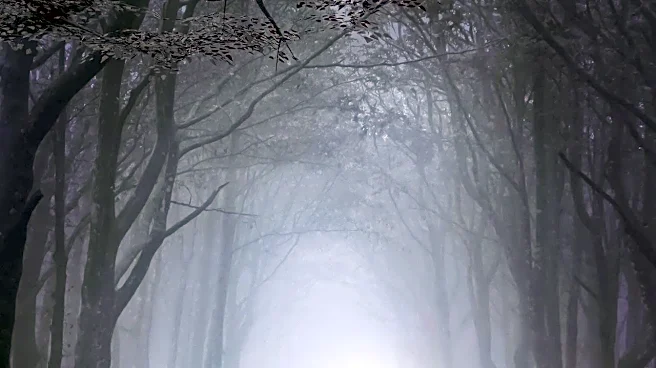
The true star of Halloween Horror Nights isn't a single character; it's the atmosphere. The creative team prioritizes mood above all else—the oppressive fog, the unsettling sound design, the disorienting lighting, and the detailed sets work in concert to create a feeling of pervasive unease. The lore exists to serve this atmosphere, not the other way around. Knowing that The Usher is an icon representing vengeance might enrich your experience, but seeing a spectral figure violently attacking someone in a decrepit theater immediately communicates a story of rage and decay without a single word of exposition. This focus on sensory immersion is what makes the event so effective. The story is told through emotion and environment, which is a universal language. It ensures that the scares land because the groundwork of tension and dread has already been expertly laid for every single guest.
The Problem with Required Reading
Imagine if, to enjoy a haunted house, you first had to pass a quiz on a character's backstory. It would immediately ruin the experience. The visceral, primal nature of fear doesn't come from intellectual understanding; it comes from immediate, instinctual reaction. By making the lore an intricate but ultimately optional layer, Universal avoids this pitfall. They’ve created a two-tiered system that works perfectly: a high-impact, atmospheric horror experience for the masses, and a deep, rewarding narrative puzzle for the dedicated fans who want to dig deeper. It’s an inclusive model that welcomes newcomers into the fog while giving veterans a reason to keep coming back to connect more dots. The hardcore fans become evangelists, sharing the stories and enriching the community, but their knowledge is never a barrier that excludes the casual visitor who is just there to scream.