


The Revenge Plot Is a One-Time Meal
Most successful slasher franchises start with a simple, repeatable premise. Michael Myers escapes on Halloween to stalk his hometown. Jason Voorhees kills anyone who trespasses at Camp Crystal Lake. But ‘Thanksgiving’ was built on a foundation of highly
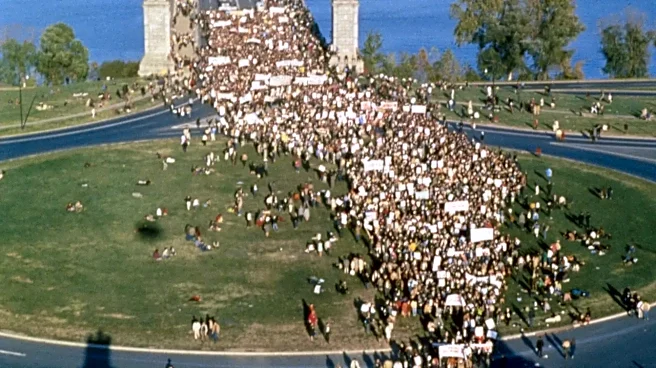
specific revenge. The killer, John Carver, was revealed to be Sheriff Newlon, who was exacting vengeance on the specific group of people he blamed for a deadly Black Friday riot. His motive was finite; his target list had an end. Once that revenge plot is concluded, the central engine of the story is gone. A sequel can't just repeat the motive, which forces writers into a corner: either the original killer somehow survived a massive explosion and fire with a new, less compelling reason to kill, or a copycat emerges. The latter is a classic horror trope, but it risks feeling disconnected from the potent anger that fueled the first film.
The Un-Spooky Holiday Problem
Halloween is inherently eerie. Christmas has a dark, pagan underbelly ripe for subversion with killer Santas and demonic toys. Thanksgiving, however, is about gratitude, family togetherness, and turkey-induced naps. Its iconography—pilgrims, cornucopias, and hand-traced turkeys—lacks the innate menace of a jack-o'-lantern's grin or the ghostly silence of a snowy Christmas Eve. The first film cleverly used the holiday's wholesome veneer as a backdrop for brutality, turning parade floats and family dinners into slaughterhouses. The challenge for a sequel is doing it again without the novelty. How many times can you weaponize a carving knife or a corn holder before it becomes parody? The creative well for Thanksgiving-themed kills might run dry much faster than for other holidays.
The John Carver Conundrum
A great slasher needs an iconic killer. While the John Carver mask, with its stoic, historical menace, was effective, it's intrinsically tied to Plymouth, Massachusetts, and the specific revenge plot. Unlike Ghostface, a persona easily adopted by anyone with a motive, John Carver represents a particular local legend co-opted for a singular purpose. If a new killer dons the mask in a sequel, their reason has to be just as compelling, or it will feel like a cheap imitation. The cliffhanger ending of the first film suggested the supposedly deceased killer might return, likely as a manifestation of the final girl's trauma. While this leaves the door open, it also highlights the core issue: Is John Carver a specific person, or is he a ghost that can be resurrected? The answer will determine if the franchise has legs or if it was a one-and-done concept.
Avoiding the 'Leftovers' Trap
Horror sequels are notorious for simply reheating the original's plot. Many fail because they don't evolve the story, instead offering a bigger body count and more elaborate, yet less impactful, kills. For a ‘Thanksgiving’ sequel, the risk is high. The structure of the first film—a series of holiday-themed slayings leading up to a climactic dinner-table confrontation—was perfect for its self-contained story. A follow-up that just stages another massacre a year later would feel like, well, leftovers. To succeed, the story must expand the world. Does the terror move to another town? Does it explore a different facet of the holiday's dark history? Director Eli Roth has spoken about wanting to up the ante without just throwing more money at it, which suggests a focus on creativity. This will be crucial, as the sequel needs to find a new angle to justify its existence beyond simply serving another helping of the same dish.