





From Function to Fashion
The journey of the tennis skirt is one of liberation. In the sport's early days in the late 19th century, women played in restrictive, floor-length dresses and corsets better suited for a garden party. The idea of function was secondary to propriety.
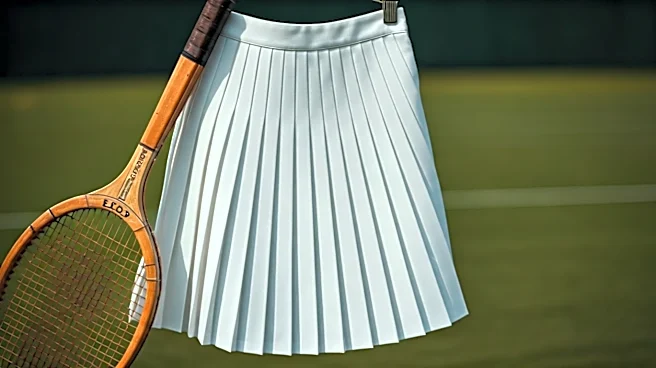
That began to change in the 1920s with players like France’s Suzanne Lenglen, who scandalized Wimbledon by wearing a calf-length pleated skirt and bare arms, prioritizing movement over modesty. By the 1930s, the pleated skirt was becoming a staple, designed for athletic grace and agility. It was a practical revolution, a small but significant step in the evolution of women's sportswear that allowed for greater freedom on the court.
The All-White Mandate
Wimbledon’s famous all-white dress code, a tradition dating back to the Victorian era, cemented the pleated skirt’s iconic status. The rule originated from the upper-class notion that visible sweat was improper, and white clothing minimized its appearance. While other tournaments embraced color, Wimbledon’s strict code turned the all-white ensemble into a powerful visual signature. The knife-pleat skirt, in brilliant white, became synonymous with the tournament's identity of tradition and prestige. It wasn't just clothing; it was a uniform that signified entry into one of the world's most exclusive sporting arenas, where the spectacle was meant to come from the tennis itself, not flashy attire.
Enter the People’s Princess
No one bridged the gap between on-court function and off-duty style quite like Princess Diana. In the 1980s and 90s, she mastered the art of what we now call athleisure. Her signature look of pairing oversized collegiate or graphic sweatshirts with bike shorts is legendary, but she also effortlessly incorporated the preppy DNA of tennis into her wardrobe. Photographed at Wimbledon in 1991, she paired a crisp white pleated skirt with a patterned purple blouse, cinched with a wide belt—a look that was both spectator-chic and a nod to the sport's aesthetic. By adopting athletic pieces for her everyday life, Diana made them aspirational. She showed that a pleated skirt wasn’t just for playing a match; it was for looking cool, confident, and modern.
The Great 'Tenniscore' Divide
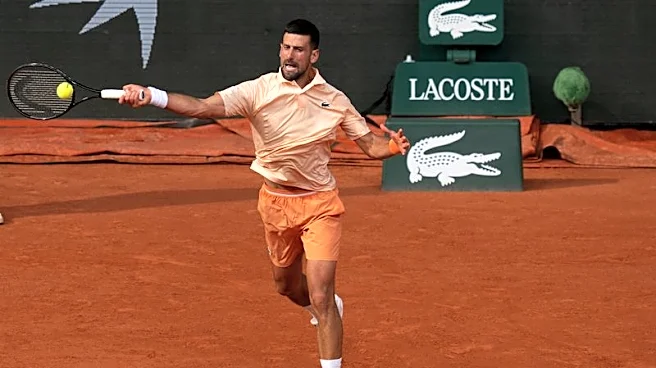
Today, the paradox of the pleated skirt is more pronounced than ever. It exists in two parallel universes. On the courts at Wimbledon, it remains a piece of high-performance athletic gear, crafted from technical fabrics for elite players. But off the court, it’s the star of the 'tenniscore' fashion trend, a social media-driven aesthetic that romanticizes the preppy, old-money elegance of the sport. The skirt is now a staple for people who may have never held a racket, worn as a symbol of a certain lifestyle. It has successfully detached from its athletic origins to become pure fashion, representing a blend of vintage nostalgia and modern street style. This dual identity is its strength; it’s simultaneously sporty and stylish, accessible and aspirational.