



An Answer to a Crisis
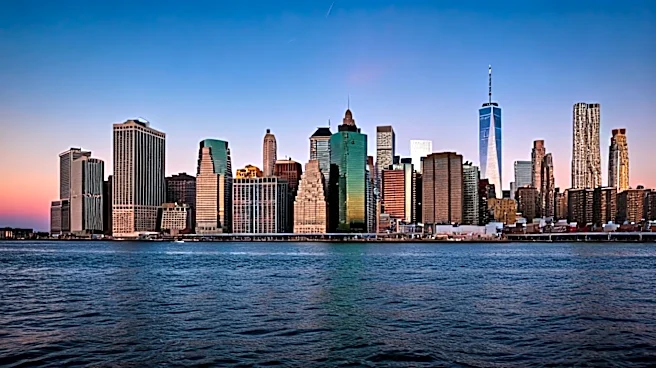
To understand the Tribeca Festival, you have to remember what downtown Manhattan felt like after September 11, 2001. The area south of Canal Street was shrouded in dust, grief, and economic paralysis. Businesses were shuttered, residents were displaced,
and the neighborhood’s future was deeply uncertain. It was in this environment that actor Robert De Niro, producer Jane Rosenthal, and investor Craig Hatkoff conceived of the festival. Their goal wasn't just to celebrate film; it was an act of civic defiance. Launched in a mere 120 days for its first iteration in May 2002, the festival had an explicit mission: to spur the economic and cultural revitalization of Lower Manhattan. It was designed to send a powerful message—that New York City’s creative spirit was unbreakable and that downtown was open for business.
The Strategy: More Than Just Movies
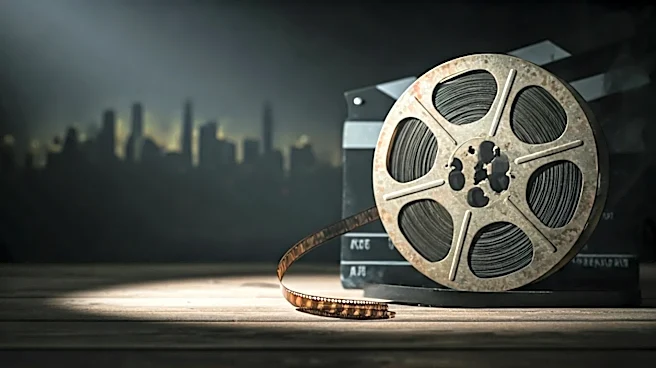
From the beginning, Tribeca was fundamentally different from festivals like Cannes or Sundance. While it screened high-quality films, the movies were almost a Trojan Horse for a much larger objective: getting people to physically show up and spend time (and money) in the neighborhood. The organizers brilliantly expanded the definition of a 'film festival.' They incorporated free outdoor screenings, street fairs, family activities, high-profile concerts, and the now-famous 'Tribeca Talks' series featuring industry legends. This approach transformed the event from a niche affair for cinephiles into a broad, accessible cultural celebration. By programming events that spilled out of theaters and onto the cobblestone streets, the festival forced a city—and the world—to see Tribeca not as a disaster zone, but as a vibrant, living community.
Forging a New Brand Identity
The festival’s biggest success was arguably in the field of branding. Before 2002, 'Tribeca' (an acronym for 'Triangle Below Canal Street') was known to locals as a quiet, post-industrial neighborhood of converted lofts. The festival took that name and fused it with a new identity: resilient, creative, sophisticated, and globally relevant. It borrowed the neighborhood's existing artistic cachet and amplified it on a global scale. Each year, images of A-list celebrities walking red carpets on Greenwich Street were beamed around the world, fundamentally rewiring public perception. The festival made the neighborhood synonymous with culture. It became a brand that represented the intersection of Hollywood glamour and New York grit, turning a geographical location into a powerful symbol of rebirth and creativity.
The Lasting Ripple Effect
The long-term impact is written into the neighborhood’s DNA. The festival’s success acted as an anchor, drawing in other creative businesses, high-end restaurants, luxury boutiques, and a new wave of residential development. It helped accelerate Lower Manhattan’s transformation from a 9-to-5 financial district into a 24/7 live-work-play destination. While many factors contributed to this evolution, the festival provided the initial spark and a recurring annual engine of energy and investment. It proved that a cultural event could be a powerful tool for economic development and placemaking. It didn't just bring people back for a week in the spring; it convinced them that this was a place to invest in, live in, and believe in for the long haul.