


The Silent Script
Costume design is far more than just putting actors in clothes; it’s a visual language that communicates identity, status, and intent. A designer acts as a co-author of the character, using wardrobe to provide backstory and psychological depth that the script
may not have time to explain. Is a character wearing a worn-out jacket or a perfectly tailored suit? Those choices immediately give you clues about their history, profession, and current struggles. The evolution of a character’s outfits often mirrors their internal journey, showing growth or decline through visual cues alone, a process that helps deepen the audience's connection to the story.
Color Theory as Character Arc
Color is one of the most powerful tools in a designer's kit, a psychological shorthand that can instantly signal a character’s morality, emotional state, or power. A character dressed in red might project passion or danger, while shades of blue can suggest stability and calm. Think of how a character's journey can be tracked through their color palette. In Breaking Bad, Walter White’s wardrobe famously transitioned from beige and light green to menacing shades of black and gray as his morality decayed. Conversely, a character moving toward freedom or self-actualization might shift from restrictive, muted tones to more vibrant and flowing attire.
Silhouette and Status
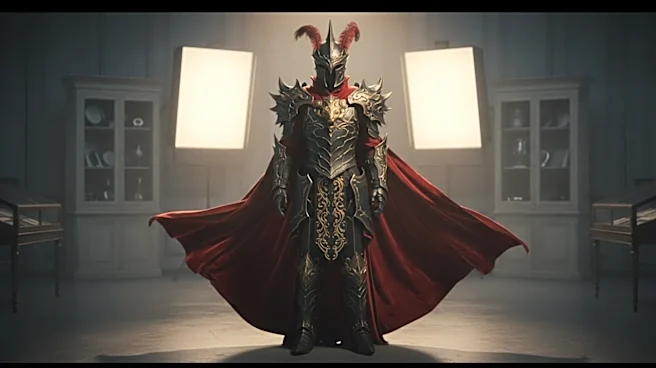
The outline of a character's clothing—their silhouette—is the first thing an audience reads, instantly placing them in a specific time period and social hierarchy. A sharp, structured shoulder conveys authority and control, while a soft, draped garment might suggest vulnerability or approachability. Consider the world of HBO’s Succession, where power is communicated through “quiet luxury.” The Roy family’s logo-free, impeccably tailored but understated clothing from brands like Loro Piana signals a level of wealth that doesn't need to shout. Their expensive but inconspicuous wardrobe is a uniform of the ultra-elite, a stark contrast to characters with new money who might wear flashier, logo-heavy brands and are subtly ridiculed for it.
Fabric as a Backstory
The texture and weight of a fabric can tell you everything about a character's lifestyle and state of mind. A slick leather jacket signifies rebellion, while a crisp linen suit suggests effortless wealth and leisure. A character in rough, worn denim carries a different history than one in delicate silk. Designers obsess over these details because they add a layer of authenticity. In The Devil Wears Prada, Andy Sachs’s initial frumpy, oversized sweaters not only reflect her disinterest in fashion but also serve as a kind of armor against a world she feels doesn't accept her. As her wardrobe transforms into sleek, designer pieces, her confidence and sense of self evolve, showing how fabric and fit can reflect and even drive personal transformation.