





1. How many new subscribers will this drive?
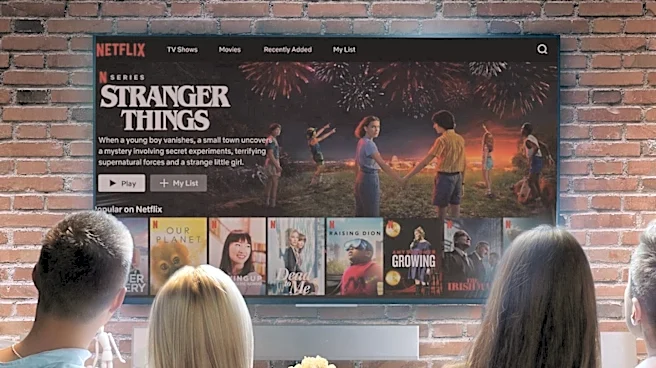
This is the oldest question in the streaming playbook. For services built on subscription revenue, like Netflix or Disney+, a massive new show is a primary weapon for attracting new customers. The cost to acquire a subscriber can be steep, sometimes estimated
at up to $200 per person. A buzzy, star-studded premiere in a traditionally slower month like August is designed to be a magnet, pulling in viewers who might otherwise let their subscriptions lapse over the summer. The calculation is simple: if a $150 million show can directly or indirectly lead to a million new subscribers paying $15 a month, the platform begins to recoup its investment within the first year. It's all about turning a massive upfront cost into a steady, predictable stream of income.
2. Will this reduce 'churn'?
Getting subscribers is one thing; keeping them is another. 'Churn' is the industry term for the rate at which customers cancel their service. It’s the silent killer of streaming platforms. A major August premiere isn't just about offense (attracting new users), it's also about defense. By dropping a must-see show, services give existing subscribers a compelling reason to stick around and not cancel after they've finished another series. Retaining a customer is five to seven times cheaper than acquiring a new one, making churn reduction a critical priority. A well-timed blockbuster can act as an anchor, holding subscribers in place until the next big thing arrives in the fall. Improving retention by just 5% can increase profits by a huge margin.
3. What is the advertising and hybrid potential?
The subscription-only model is no longer the only game in town. Many major players now offer cheaper, ad-supported tiers. This creates a second major revenue stream. An expensive new show has to justify its budget by performing for both audiences. For the premium, ad-free subscribers, it must feel worth the higher monthly fee. For the ad-supported tier, its high viewership numbers translate directly into higher rates charged for the commercials that run during the show. This “hybrid” model allows platforms to monetize a wider range of viewers, making it possible to fund bigger and riskier projects.
4. Can this launch a global franchise?
The holy grail for any studio or streamer isn't just a hit show; it's a universe. Executives are asking if a new series has the intellectual property (IP) strength to spawn sequels, prequels, spin-offs, and more. A successful show that builds a rich world can become a long-term revenue engine that pays for itself many times over. Think of how a single hit fantasy series can lead to multiple other shows set in the same world, each with its own production budget and revenue potential. This long-term thinking is why so many expensive shows are based on existing book series or comics; the franchise potential is already built-in.
5. What are the international licensing prospects?
Even for global streaming platforms, not all shows are released everywhere at once. A platform might hold the U.S. rights but sell the broadcast or streaming rights to partners in other countries. These international distribution deals can be incredibly lucrative, sometimes covering a significant portion of a show's production budget before it even airs in its home market. A show with broad, universal themes or a big-name international star is far more valuable on the global market. The valuation of this content depends on factors like star power, genre, and how well similar shows have performed in those territories.
6. Is there merchandising and ancillary revenue?
The show itself is often just the beginning. From T-shirts and action figures to soundtracks and coffee table books, merchandise can be a significant, if secondary, revenue stream. This is especially true for sci-fi, fantasy, and animated shows with distinctive designs and loyal fanbases. While not every drama will lend itself to a line of toys, platforms are increasingly thinking about these ancillary opportunities from day one. A show that drives merchandise sales creates its own marketing and deepens fan engagement, making the core IP that much more valuable for future installments or spin-offs.
7. How does this enhance the 'brand'?
Sometimes, the return on investment isn't just about direct dollars and cents. A high-profile, critically acclaimed series can generate invaluable buzz and prestige. It becomes the show that defines the platform, the one mentioned in conversations and awards shows. This has a powerful halo effect, making the entire service seem more valuable and culturally relevant. In a crowded market where every service is competing for attention, having a show that is part of the cultural conversation is a powerful differentiator that can implicitly boost subscriber loyalty and acquisition.
8. What is its long-term library value?
A new show isn't just for today; it's an asset that will live in the service's library for years. Unlike a movie that comes and goes from theaters, a streaming original is a permanent fixture. A show with high re-watch potential can continue to engage subscribers and attract new ones long after its premiere. This is why platforms are building massive back catalogs of original content. They are creating a digital vault of assets that provides ongoing value, reducing the need to constantly license expensive third-party content from other studios. An expensive show today becomes a valuable library title tomorrow, contributing to the platform's overall strength.