



The Finishing Touch
The difference between standard cotton and its luxurious-feeling cousins often comes down to the final step in the textile production process: finishing. After cotton is harvested, spun into yarn, and woven into cloth, it's considered 'greige' or raw
fabric. To get it ready for the store, it undergoes a series of treatments that change its appearance, performance, and, most importantly, its feel. While some companies use chemical softeners for a quick fix, two key mechanical and chemical processes create that lasting, premium texture: 'peaching' and 'mercerization'.
The 'Peach Skin' Effect
One of the most popular methods for creating instant softness is a mechanical process called peaching or sueding. The fabric is passed over rollers covered in a fine, abrasive material, like sandpaper or carbon-fiber bristles. This process gently lifts the tiniest fibers on the fabric's surface, creating a very short, dense, and uniform fuzz. The result is a soft, velvety texture that feels like the delicate skin of a peach. This finish gives the fabric a matte, lived-in look and a warm, cozy feel, making it a popular choice for premium hoodies, flannel shirts, and soft bedsheets.
The Silky Sheen of Mercerization
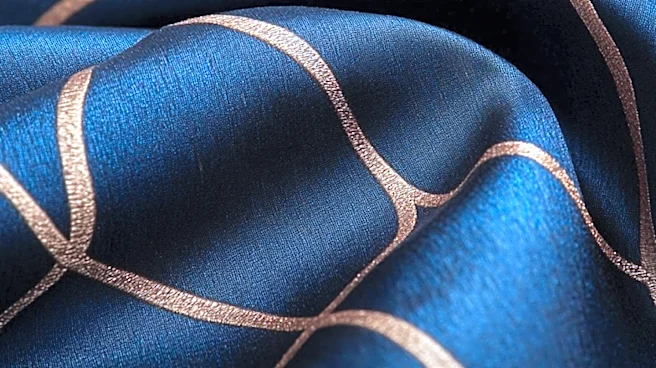
For a different kind of expensive feel—one defined by luster and smoothness rather than fuzziness—manufacturers turn to mercerization. First discovered in the 1840s by John Mercer, this chemical process involves bathing cotton yarn or fabric in a cold caustic soda solution while under tension. This causes the cotton fibers to swell and straighten out, changing their structure from a flat, kidney-bean shape to a rounder, smoother one. This transformation gives the cotton a silky, elegant sheen, increases its strength by up to 25%, and makes it much better at absorbing dye, resulting in richer, more vibrant colors. You'll often find mercerized cotton used for high-quality dress shirts and premium bed linens that boast a cool, lustrous feel.
Weave Matters, Too
While not a 'finish' applied after the fact, the way the cotton is woven in the first place plays a huge role in its feel. A sateen weave, for example, is designed to feel silky and luxurious. Instead of a simple one-over-one-under grid like in a standard percale weave, a sateen weave floats several threads across the surface (often four over, one under). This places more threads on the face of the fabric, creating a smoother, shinier surface with a beautiful drape that feels soft against the skin. When you combine high-quality long-staple cotton with a sateen weave, you get bedding and apparel that feels incredibly premium.
How to Be a Smarter Shopper
So how do you spot these fabrics in the wild? First, check the label. Brands are often proud of these features and will list terms like 'mercerized cotton', 'peached finish', or 'sateen weave' in the product description. Second, use your hands. Mercerized cotton will have a noticeable sheen and feel smooth and cool. Peached cotton will have a soft, matte, almost velvety texture. Hold the fabric up to the light; a dense, even weave with no visible gaps is a sign of higher quality construction. Don't be fooled by an initially slick feel, which could just be a temporary chemical softener. True quality, derived from the fiber, weave, and finish, will feel substantial and well-made.