


Wild Horse Nine: A Masterclass in Tension
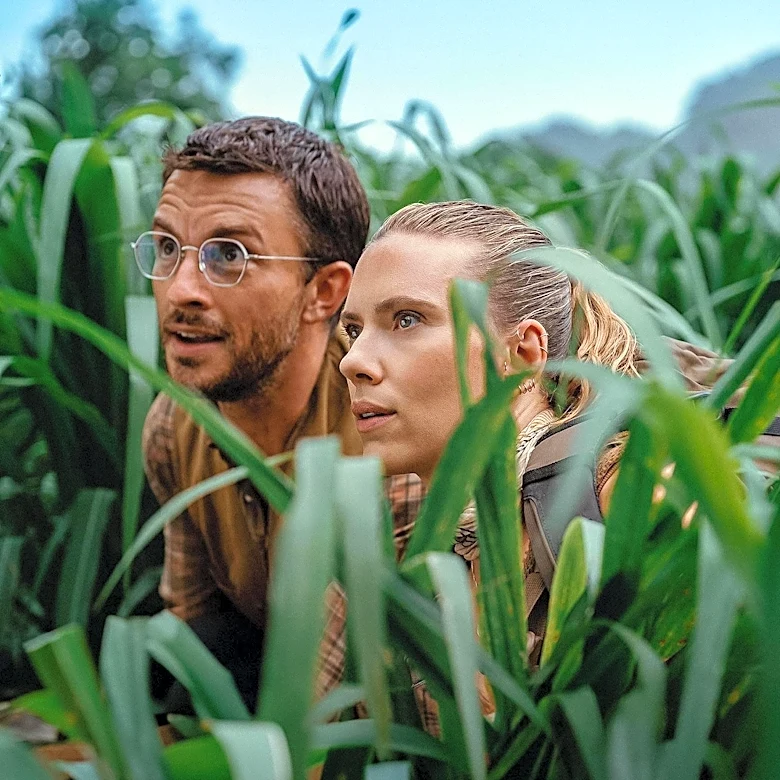
Martin McDonagh is back, and he’s brought editor Mikkel E.G. Nielsen, an Oscar winner for “Sound of Metal,” along for the ride. Their latest, “Wild Horse Nine,” sends two CIA agents into an existential crisis on Easter Island. McDonagh is a playwright
first, and his films live and die by their verbal rhythm and sudden bursts of shocking violence. The job for an editor like Nielsen is to honor those rhythms. Watch for how long he holds on a two-shot during a tense, dialogue-heavy scene before cutting away. Notice the space between a darkly funny line and a brutal consequence. It’s in these fractions of a second that McDonagh’s signature tone—hilarious one moment, horrifying the next—is forged. The editing won’t be flashy, but it will be everything.
Your Mother Your Mother Your Mother: Finding Form in Feeling
Director Bassam Tariq’s new film, starring Mahershala Ali, is already one of the festival’s most anticipated titles. While plot details are scarce, Tariq’s previous work suggests a style that is more poetic and sensory than traditionally narrative. For an editor, this presents a unique challenge: how do you build a story from mood, memory, and emotion rather than a conventional A-to-B plot? This is where film nerds should lean in. Pay attention to the film’s use of associative cuts, where one image transitions to another based on a feeling, color, or sound rather than linear logic. The editing won't just be telling you the story; it will be trying to make you feel the story in an internal, almost subconscious way. It’s a high-wire act that, if successful, creates a deeply immersive experience.
Ink: The Frenetic Pace of Print
Danny Boyle is a filmmaker whose name is synonymous with a specific kind of editing: propulsive, energetic, and often set to a killer soundtrack. His latest, “Ink,” tackles the 1969 takeover of The Sun newspaper in Britain. This is a perfect marriage of subject and style. Expect Boyle and his editor to use every trick in the book—split screens, rapid-fire montages, archival footage, and whip-fast cuts—to capture the chaotic energy of a newsroom on a deadline and the dawn of a new, aggressive era of tabloid journalism. The question for cinephiles isn't if the editing will be noticeable, but how it will be deployed. Does the pace accelerate as the deadline looms? How are sound and image cut together to create a sense of relentless momentum? This film promises to be a pure adrenaline shot of stylistic editing.
Krux: The Austerity of Moral Collapse
On the opposite end of the spectrum is “Krux,” a German film from debut writer-director Ulrike Tony Vahl that is described as a “powerful and stark portrait of moral collapse.” This kind of description often points to a very deliberate and austere editing style. Where a film like “Ink” adds energy, films like this often derive power from what they withhold. Look for long, unbroken takes that force the audience to sit with uncomfortable moments. Notice the cuts that come just a moment later than you’d expect, creating a sense of unease. In stories of societal panic, the editing can reflect the psychology of the characters—is it fragmented and jarring, or cold and observational? The lack of flashy cuts could be the most powerful decision of all, creating a slow-burn dread that lingers long after you leave the theater.
Short Cuts Program: Editing as Pure Expression
Don’t sleep on TIFF’s Short Cuts program. Short films are often where you find the most daring and experimental editing on display. With runtimes that free them from the demands of traditional three-act structure, filmmakers can play with non-linear timelines, abstract visuals, and radical pacing. For example, a film described as having a “deliberately non-linear structure” to explore power dynamics or another that uses animation to be intentionally “off-putting and repulsive” are both relying on editing to create their primary effect. Watching these shorts is like visiting a laboratory for cinematic craft, offering a glimpse into what the future of feature-film editing might look like.