





The Myth of the Mass Exodus
First, let's address the headline. Despite persistent whispers that can dog any high-profile production, there is no credible evidence of a mass writer walkout from a Chris Rock project. You won't find reports in Hollywood trades about writers for his HBO
specials, talk shows, or sitcoms collectively abandoning their posts. The story seems to be a myth, a piece of plausible-sounding fiction that taps into our fascination with what happens behind the curtain. The truth, however, is not about a rebellion but about a process—one that is arguably more intense and demanding than any single walkout.
Reality: Welcome to the 'Stress Factory'
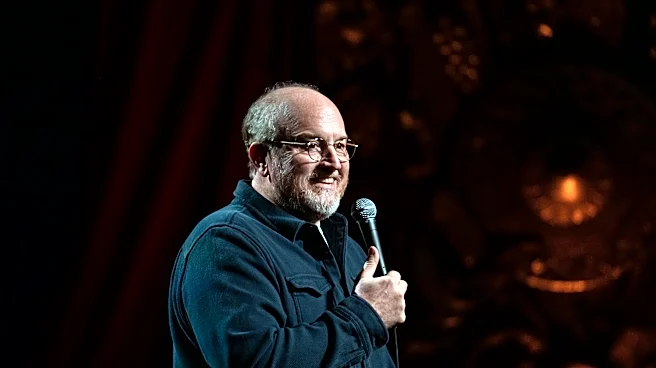
The real story behind Chris Rock's creative world is his legendary work ethic, best exemplified by his method of developing new material. Rock is famous for showing up unannounced at small comedy clubs, like the aptly named "Stress Factory" in New Jersey, with a yellow legal pad of notes. For months on end, he tests raw, unpolished ideas in front of small audiences, fumbling through lines, stopping mid-joke, and embracing the awkwardness. To an outsider, it might look like he’s bombing or that his material isn't working. But for Rock, this is the crucible. He's not there to perform a polished set; he's there to find the funny, and he’s willing to fail publicly, repeatedly, to forge a perfect bit. This grueling, often uncomfortable process is the real 'walkout'—a walk through comedic fire.
Reality: The Joke Is Always the Boss
Far from being hostile to writers, Rock is known for his collaborative-but-demanding approach where the best idea wins, regardless of who it comes from. During his 2016 Oscars hosting gig, after the #OscarsSoWhite controversy erupted, he and his writing staff didn't just tweak the monologue—they scrapped it and started over. This wasn't a punishment; it was a pivot to address a vital cultural moment, a sign of a leader who understands that relevance is everything. The goal isn't to stroke egos but to serve the comedy. He has reportedly spoken about the importance of paying his writers well, ensuring they are there when he needs them. His method isn't about alienating talent but about pushing everyone, including himself, toward a higher standard where only the strongest jokes survive.
Reality: A Demanding Creative Vision
As a showrunner and creator, Rock's intensity is baked into his projects. For his autobiographical sitcom "Everybody Hates Chris," the show was a carefully crafted reflection of his own life experiences. That requires a specific vision, one he developed with co-creator Ali LeRoi. More recently, for the animated revival "Everybody Still Hates Chris," showrunner Sanjay Shah described the rush to get scripts completed before a potential industry-wide WGA strike—the very opposite of writers walking away from the show. The pressure in Rock's orbit doesn't seem to stem from personal conflict, but from the immense creative and logistical demands of making television, especially when adapting one's own life into a compelling narrative.