









You Understand Single-Elimination Heartbreak
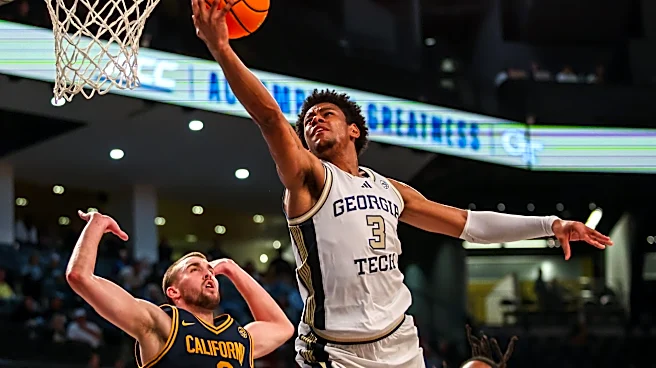
March Madness is the perfect primer for the World Cup knockout stage. You spend an entire season believing your team is special, only to watch their championship dreams evaporate in a single 40-minute or 90-minute contest. There are no seven-game series to soften the blow. One bad bounce, one questionable call, or one moment of brilliance from an opponent, and it’s over. Your team goes home. That brutal, sudden finality is the engine of the World Cup. College sports fans are already fluent in the language of do-or-die stakes. They know the feeling of a season’s worth of hope resting on one game, making the transition from a Sweet Sixteen nail-biter to a Round of 16 penalty shootout feel surprisingly natural.
Your Allegiance is Gloriously Irrational
Why do you root for your school? Maybe
you went there. Maybe your parents did. Maybe you just grew up in the area and absorbed the local tribalism. The logic is secondary to the identity. It’s an allegiance of the heart, not the head. This is the exact same principle that powers World Cup fandom. People don’t root for their country based on a sober analysis of their midfield tactics; they root for them because of a deep, often unexplainable, sense of belonging. The same impulse that makes you scream for a bunch of 19-year-olds wearing your school’s colors is what makes an entire nation grind to a halt to watch 11 players represent their flag. It’s pure, unfiltered tribalism, and college fans are masters of it.
You Live on a Four-Year Cycle
A star quarterback or point guard has a four-year window to become a campus legend and win a title before they graduate or go pro. This finite timeline creates a powerful sense of urgency and a constant cycle of hope. You’re always thinking about the next recruiting class, the development of a promising sophomore, and whether *this* is the year the pieces finally come together. The World Cup operates on the exact same four-year clock. A nation’s “golden generation” of players has a limited time to make its mark before aging out. Fans spend the three years in between agonizing over qualifying, tracking their players on club teams, and dreaming of the next tournament. This shared rhythm of building, hoping, and facing a fleeting championship window makes the global tournament feel structurally familiar.
You Believe in the Magic of the Underdog
Every college basketball fan secretly roots for the No. 12 seed to topple the No. 5 seed. The Cinderella story is the lifeblood of the NCAA Tournament. We live for the moments when a small, unheralded program like VCU or St. Peter’s makes a deep run and captures the nation’s attention. The World Cup provides this same thrill on a global scale. When a nation like Morocco stuns giants to reach the semifinals or South Korea defeats a reigning champion, the world takes notice. These aren’t just upsets; they are moments of collective joy that transcend national rooting interests. The belief that anyone can win on any given day is a core tenet of college sports fandom, and it’s what makes the World Cup group stage so compelling.
It's About the Pageantry as Much as the Game
Think about a big-time college football Saturday. It’s not just a three-hour game; it’s an all-day spectacle. The fight songs, the coordinated colors filling the stadium, the chants, the mascots, the sheer volume—it’s a sensory overload of collective identity. The World Cup is this experience amplified on a global stage. The stadiums are a riot of color, with fans in elaborate costumes, waving massive flags, and singing their national songs for 90 minutes straight. For a college sports fan, who understands that the atmosphere is a crucial part of the event itself, the wild pageantry of the World Cup doesn’t seem weird or over-the-top. It just feels right.