




The Trend-Driven Red Carpet Treadmill
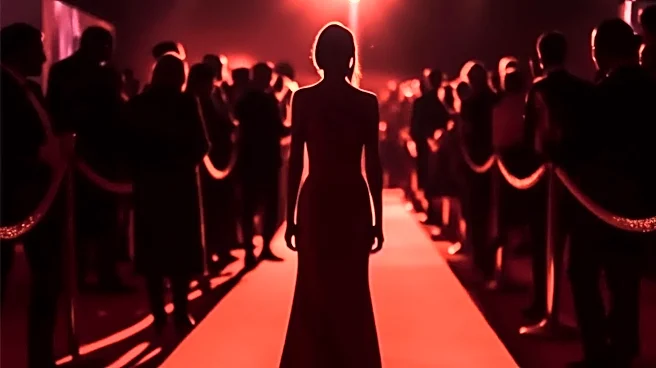
Every major awards show and film festival comes with a pre-packaged set of fashion narratives. There’s the color of the season, the must-have silhouette, and the designer everyone is suddenly wearing. This predictable cycle creates a visual echo chamber
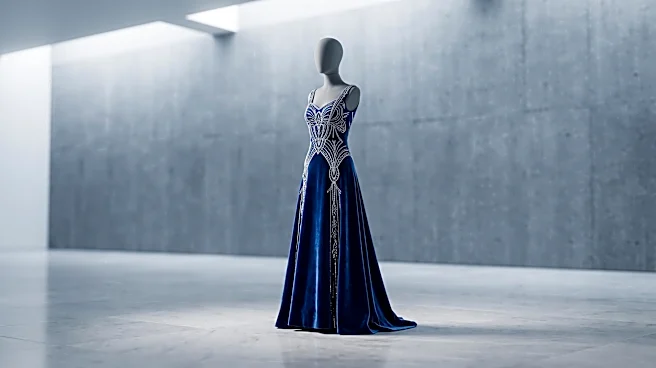
where stars, though beautifully dressed, can feel interchangeable. The looks are often more about the brand than the person, serving as a temporary billboard for a designer's latest runway fantasy. While glamorous, these trend-chasing moments often have the lifespan of a social media post—liked, shared, and quickly forgotten. They are fashion for fashion's sake, a spectacle that can feel disconnected from the art and artists being celebrated.
TIFF's Understated, Substance-First Vibe
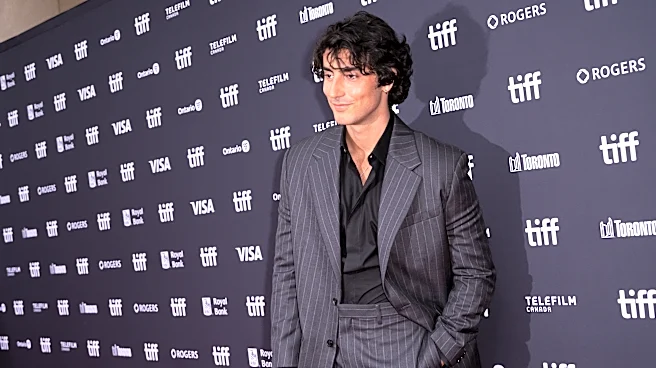
The Toronto International Film Festival has always cultivated a reputation for being more about the films and less about the froth. It’s a crucial marketplace for global cinema and a launchpad for awards season contenders, lending it a more serious, artist-focused atmosphere. This environment naturally favors a different kind of red carpet approach. The unofficial dress code leans less toward Met Gala theatrics and more toward considered, personal elegance. It’s a place where an actor can look like an individual, not just a model for a couture house. This creates a space where personal style—the kind that is cultivated over time and speaks to a person's character—can truly command attention.
Case Studies in Authenticity
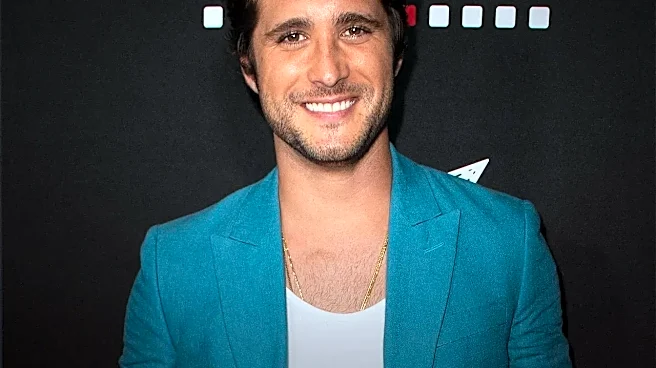
The opening days of TIFF 2026 have already provided a masterclass in this principle. Take Megan Rapinoe, who arrived for the premiere of her documentary, "RAPINOE," in a striking suit with a red cummerbund and feathered brooch. The look was powerful, tailored, and entirely her own—a direct reflection of the athlete and activist she is. Similarly, Jodie Comer’s choice of a black Fendi Couture tunic dress for the "Stuffed" premiere was noted for its understated simplicity, a continuation of her long-favored personal aesthetic rather than a bow to fleeting trends. Even more casual approaches, like Dylan O'Brien's cool leather jacket and unbuttoned shirt, felt more authentic and memorable than many a generic gown. These are not outfits wearing the person; these are people telling us who they are through their clothes.
Why A Signature Look Lasts
A strong personal style tells a story. It communicates confidence, creativity, and a point of view. When an actor like Fan Bingbing arrives in a dramatic Tony Ward mermaid gown, or Luke Evans opts for a silky shirt and wide-leg pants from Mithridate, it feels like a deliberate choice rooted in their own sartorial identity. Fan is known for her high-glamour moments, and Evans for his modern, fluid tailoring. These choices resonate because they are consistent and believable. They build on a visual narrative that the public recognizes and respects. In contrast, an actor wearing something that is merely “on trend” can often look uncomfortable or anonymous, lost in a garment that has no connection to them. The looks that linger in our collective memory are rarely the ones that check off a trend box; they are the ones that perfectly capture the essence of the star wearing them.