
An Invasion of Scale and Sound
First, understand the sheer, unavoidable magnitude of what’s coming. This isn't just a tournament; it's a month-long logistical and cultural takeover. The 2026 FIFA World Cup, co-hosted with Canada and Mexico,
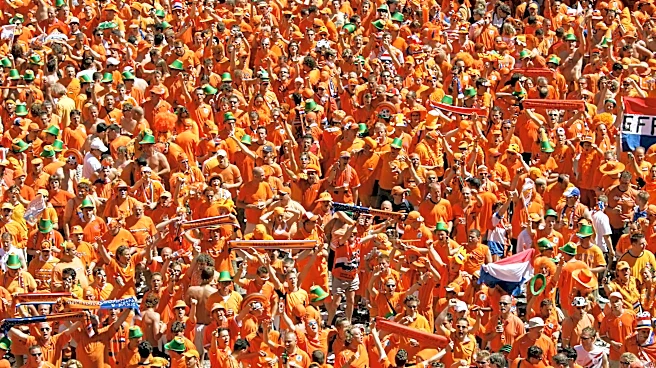
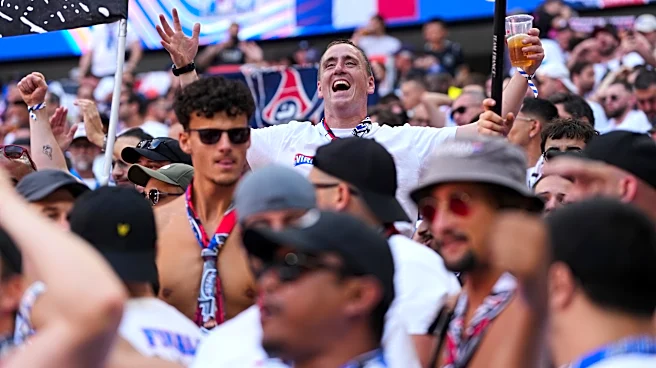
will plant its flag firmly on U.S. soil. We’re talking about games in 11 major American cities: from Los Angeles to New York, Dallas to Miami, Seattle to Philadelphia. Forget watching abstract games in faraway time zones. This time, the tournament will be a tangible, local event for tens of millions. The streets will flood with international fans, a vibrant, chaotic, and loud spectacle of flags, songs, and languages. Your local news won't just cover it; they'll lead with it. The economic and human footprint is simply too large to be relegated to the sports section. When a global festival sets up shop in your backyard, you notice.
The Money (and Media) Will Talk
If cultural osmosis doesn't get you, the economic juggernaut will. The World Cup is projected to generate billions in economic activity and support thousands of jobs across the host regions. That’s a story that transcends sport. It’s about tourism, infrastructure, and local business. But the most powerful force will be the media saturation. Unlike World Cups in Qatar or South Africa, where inconvenient time differences made live viewing a commitment, the 2026 matches will unfold in American primetime. Fox and Telemundo will clear their schedules, dedicating hundreds of hours of broadcast television to the tournament. Every sports bar, airport lounge, and waiting room will have a game on. The constant exposure creates a shared national experience by default. You might not seek it out, but the ambient noise of American life in June and July 2026 will be the roar of a soccer stadium.
A Red, White, and Blue Bandwagon
Nothing galvanizes American attention like a homegrown hero, and hosting provides the ultimate home-field advantage. The U.S. Men’s National Team (USMNT) will automatically qualify and be a central protagonist in the drama. Their journey will be the narrative thread that pulls in casual observers. Remember the women's team capturing the nation's heart during their World Cup victories? The dynamic is similar. If the USMNT can string together a few wins—a very real possibility on home turf—a wave of patriotic fervor will follow. Suddenly, it’s not just about soccer; it’s about ‘us.’ The team’s story will become a daily drama, a reason to gather and cheer, and a bandwagon that’s easy and fun to jump on. For many, this will be the entry point: a national storyline that makes the arcane rules of offsides feel secondary to the simple thrill of competition.
The 1994 Effect, But on Steroids
We have a historical precedent for this. The last time the U.S. hosted the men’s World Cup, in 1994, it was considered a massive gamble. Soccer was a niche sport, and many wondered if Americans would even show up. They did, in record numbers that still stand today. More importantly, that tournament lit a fuse. A year later, Major League Soccer (MLS) was founded, laying the groundwork for the professional sport’s steady, 30-year climb in American culture. In 2026, the tournament returns to a nation where soccer is no longer a foreign concept. There are thriving MLS franchises, a generation that grew up playing FIFA on video games, and established European league followings. The 1994 World Cup introduced America to the game. The 2026 World Cup will celebrate its graduation into the mainstream, supercharging an interest that's already there and pulling the rest of the country along with it.