






The Unflappable Pro: Harry Kane
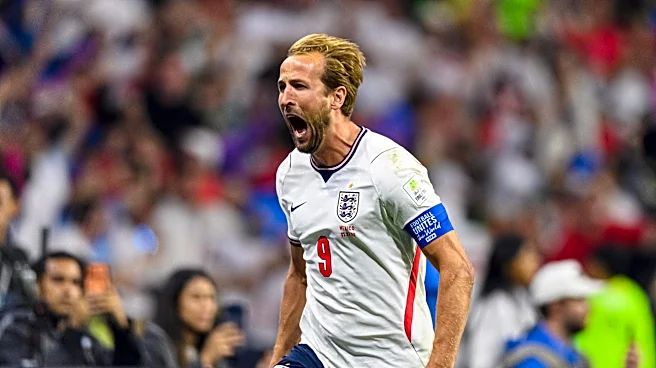
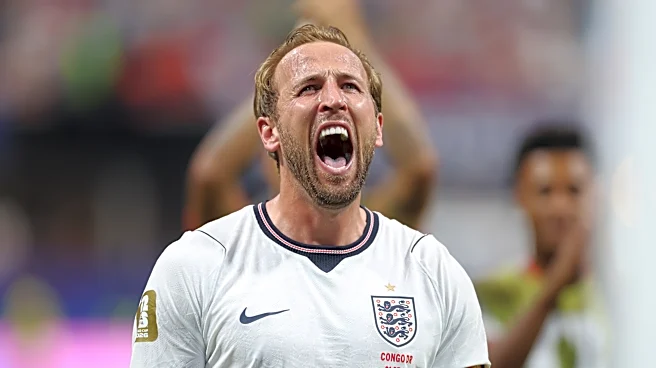
Tom Brady’s defining trait wasn’t just winning; it was his supernatural calm during a two-minute drill. That same quiet, unshakable confidence is on full display with England’s captain, Harry Kane. While other stars are defined by flash, Kane is defined by his professionalism
and relentless consistency, traits Brady built a career on. In England’s dramatic Round of 16 victory over host nation Mexico, where a ten-man squad had to defend a narrow lead in a hostile stadium, it was Kane who steadied the ship. He scored a crucial penalty to extend the lead and was a constant source of composure for his younger teammates. This is the Brady principle in action: when chaos erupts, the true leader’s heart rate seems to drop. Kane doesn’t need to scream to command respect; his authority comes from his relentless preparation and his delivery in the moments that matter most.
The Demanding Superstar: Kylian Mbappé
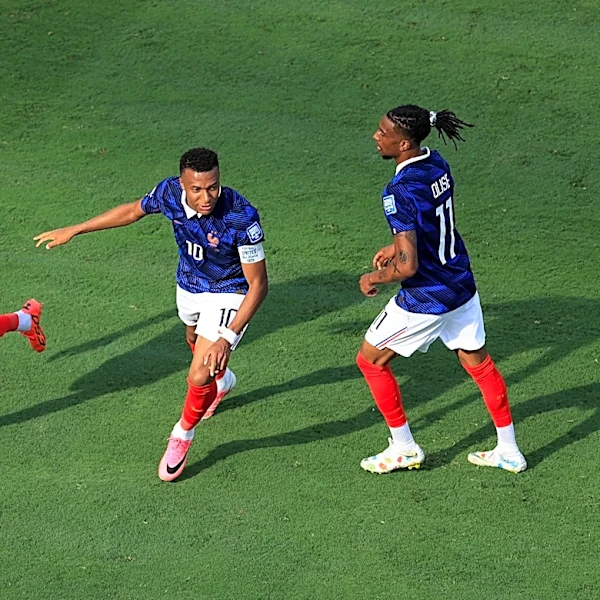
If Kane represents Brady's poise, France’s Kylian Mbappé embodies his ferocious, standard-setting intensity. Fans remember Brady demanding more from his receivers, and in Mbappé, you see a similar drive for perfection. Now captaining France at 27, he has fully embraced the responsibility of leading a global powerhouse. Critics once labeled him a gifted individualist, but at this World Cup, he has evolved into a leader who elevates the entire squad. He is on a mission, leading the line not just with his otherworldly talent but with a palpable desire to drag his team to victory. His seven goals in five matches before the quarterfinals tell only part of the story. His willingness to take on the burdens of captaincy, from media duties to defending teammates, shows a maturity that mirrors Brady's evolution from a gifted player into a true locker-room general.
The Underdog Leader: Christian Pulisic
Every dynasty needs a leader who can carry the weight of a city—or in this case, a country. For two decades, that was Tom Brady in New England. At the 2026 World Cup, that weight rests on the shoulders of Christian Pulisic, the face of the U.S. Men's National Team. Nicknamed "Captain America," Pulisic has grown from a young prodigy into the selfless, lead-by-example veteran for a USMNT playing on home soil. While he wasn't given the official captain's armband for the tournament, his role as the team's primary creator and emotional engine is undisputed. Pulisic embodies the leadership quality Brady showed as a sixth-round draft pick who willed himself to greatness: determination. He is the player his teammates look to for a moment of magic to break a deadlock, and his work ethic sets the standard for the entire squad.
The Universal Language of a Captain
What this World Cup reminds us is that while the rules of the game change, the architecture of leadership is universal. A team captain, whether on the gridiron or the soccer pitch, does more than just wear an armband. They are the conduit between the coach and the players, the steady hand in a crisis, and the one who takes responsibility in victory and defeat. Brady’s legacy is built on his ability to make everyone around him better, a quality that requires more than just talent. It demands trust, accountability, and an unwavering commitment to the team's goals over personal accolades. These are the intangible qualities that turn a great player into a legend, and they are being demonstrated by a new generation of leaders at this tournament.