







The Preacher and the Sinner
The soul of Son House's sound was forged in conflict. Long before he ever picked up a guitar, Eddie James House Jr. was a Baptist preacher, starting in his teens. He was steeped in the sacred, fire-and-brimstone tradition of the church, a world that viewed
the blues as the devil's work. But after seeing a man play slide guitar for the first time, he was converted, taking up the instrument at 25. This lifelong tug-of-war between the pulpit and the juke joint is the emotional engine of his music. His songs aren’t just stories; they are testimonials delivered with the fury of a sermon. When he sings, you hear a man wrestling with his own soul, and that authenticity—the raw conviction of a man torn between salvation and damnation—is something you can’t learn from a chord chart.
A Rhythm You Can’t Fake
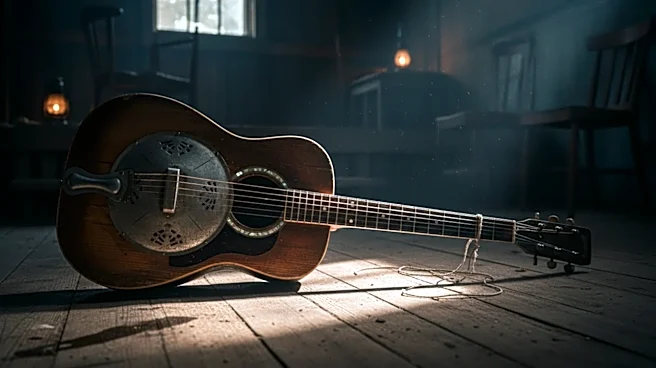
While many Delta bluesmen were intricate fingerpickers, Son House was a master of rhythmic intensity. His guitar playing wasn't about flashy, complex melodies; it was about creating a hypnotic, driving pulse that was as percussive as it was musical. He would attack the strings, often using his thumb to snap the bass strings with a force that made his National steel guitar roar. This created a powerful, almost brutal, foundation for his songs. The repetition in his playing wasn't a lack of ideas but a deliberate tool to build tension to an almost unbearable degree. This relentless, stomping rhythm gave his music a trance-like quality that was deeply personal. It wasn’t just a beat; it was the sound of a man possessed by the story he was telling.
The Sound of a Bottleneck Weeping
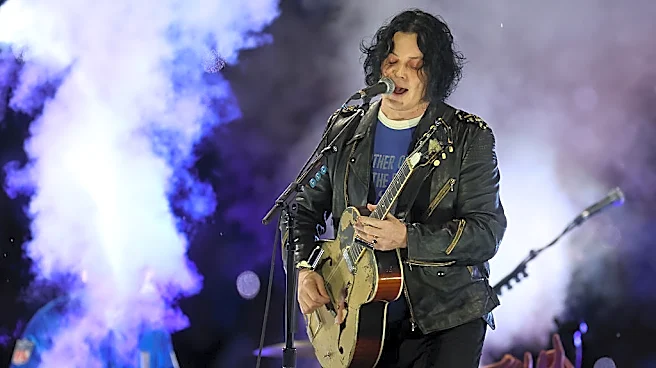
Son House was not the inventor of the bottleneck slide guitar, but he perfected its use as a second voice. Where others might aim for a smooth, liquid glissando, House’s slide work was often sharp, jagged, and vocal. He used a copper slide on his finger to wring notes from the fretboard that sounded like a human cry, a moan, or a shriek. His approach wasn't about technical precision; it was about pure expression. He would angle the slide to hit single strings, creating piercing, speech-like phrases that answered his vocal lines. This technique, combined with his preference for open G tuning, gave his music its signature sound of sorrowful, metallic wailing. It’s a sound that influenced generations, from his direct protégés Muddy Waters and Robert Johnson to modern rockers like Jack White.
A Voice That Bled Truth
Ultimately, the most inimitable part of Son House's sound was his voice. It was a staggering instrument, capable of a guttural roar that seemed to rise from the Mississippi soil itself. His delivery was a direct descendant of the field holler—a raw, powerful, and deeply emotional form of expression. There was no artifice, no attempt to smooth the rough edges. Whether he was singing about a letter bringing news of death or hollering a gospel tune a cappella with only hand claps for rhythm, his voice carried an undeniable weight of lived experience. This was especially potent after his “rediscovery” during the 1960s folk revival, when, after two decades of obscurity in Rochester, New York, he brought the undiluted force of the pre-war Delta to a new generation.