









From Naval Necessity to National Uniform
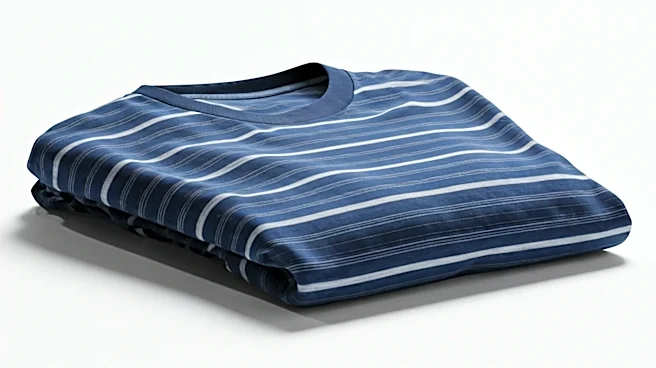
The story begins not in a Parisian atelier, but on the gusty seas off the coast of Brittany (or 'Bretagne' in French). In 1858, an official decree made the blue-and-white striped shirt, known as a 'marinière' or 'tricot rayé,' the uniform for French naval
seamen. This wasn't a fashion choice; it was pure function. The distinctive stripes were designed to make it easier to spot sailors who had fallen overboard. The original design was meticulously specified: 21 white stripes, each twice as wide as the 20 or 21 indigo blue stripes. A popular legend ties the 21 stripes to Napoleon's victories, but the reality is likely more practical. This simple, practical garment, born from a need for safety and durability, became the uniform for the working men of the sea.
Coco Chanel and the Chic Rebellion
The Breton's leap from the naval deck to the world of high fashion can be credited to one person: Coco Chanel. During trips to the French coast in the 1910s, she was inspired by the local sailors' functional attire. In an era when womenswear was dominated by restrictive corsets, Chanel saw the simple, comfortable marinière as a form of liberation. She incorporated the stripes into her 1917 nautical collection, pairing them with flared trousers and creating a look that was revolutionary in its casual elegance. It was a radical move, taking a piece of menswear workwear and recasting it as a symbol of leisurely, modern femininity. Chanel didn't just popularize a shirt; she championed a new, more comfortable and independent way of dressing.
The Uniform of the Artist and Rebel
By the mid-20th century, the Breton stripe had been adopted by a new kind of icon: the artist and the anti-establishment rebel. Pablo Picasso famously wore it as his workwear, turning the shirt into a uniform for the bohemian creative. Across the Atlantic, American actors gave it a different kind of power. Marlon Brando sported a version in 'The Wild One' (1953), and James Dean cemented its status as a symbol of cool, thoughtful rebellion in photos taken around the time of 'Rebel Without a Cause' (1955). In France, the shirt became synonymous with the intellectual cool of the New Wave cinema, worn by icons like Jean Seberg in 'Breathless' and Brigitte Bardot. No longer just a sailor's shirt or a resort top, it was now the chosen attire of influential men who stood apart from the crowd.
Jean-Paul Gaultier's Menswear Signature
While many adopted the stripe, one designer made it the core of his brand's identity, especially in menswear: Jean-Paul Gaultier. Beginning in the 1980s, Gaultier took the classic marinière and relentlessly reimagined it, turning it into everything from tailored suits to sheer mesh tops and even the bottle for his iconic 'Le Male' fragrance. He wore it as his personal uniform, and by putting it on male models in unconventional contexts—often paired with kilts or corsets—he challenged traditional ideas of masculinity. Gaultier transformed the Breton from a classic staple into a symbol of irreverence, gender fluidity, and high-fashion rebellion, solidifying its power in the modern menswear landscape.
Why Paris Still Claims It
Despite its global travels, the Breton stripe remains quintessentially French and a cornerstone of Parisian style. Its power lies in its perfect embodiment of the Parisian 'je ne sais quoi'—an effortless, timeless chic that doesn't look like it's trying too hard. It's a classic that can be dressed up under a blazer or dressed down with jeans, making it incredibly versatile. While some might see it as a tourist stereotype, for Parisians, it's a genuine style staple that connects the present to a rich cultural history. Wearing a marinière is a nod to its naval past, its rebellious artistic spirit, and its high-fashion credentials all at once. It’s a piece that carries its history lightly, which is the very definition of enduring style.