

The Optical Illusion of the V-Taper
The short answer to the headline’s question is yes—but it’s a matter of clever illusion. Creating the appearance of a smaller waist isn’t always about losing inches from your midsection. It’s often about what you add to your frame, specifically your shoulders
and back. In the world of fitness and aesthetics, this is known as the 'V-taper', a coveted shape where a wide upper body gradually narrows down to the waist. This principle doesn’t defy physics; it leverages human perception. By broadening the top of the 'V'—your shoulders—you create a dramatic contrast that makes the point of the 'V'—your waist—appear significantly smaller. Your actual waist measurement might not change at all, but the visual effect is undeniable. It’s a classic artist’s trick applied to the human form: where you create width, you automatically create the impression of narrowness elsewhere. This is why physique athletes focus so intensely on their shoulder-to-waist ratio; they know that proportion, not just size, is what sculpts a striking silhouette.
The Blueprint for Broader Shoulders
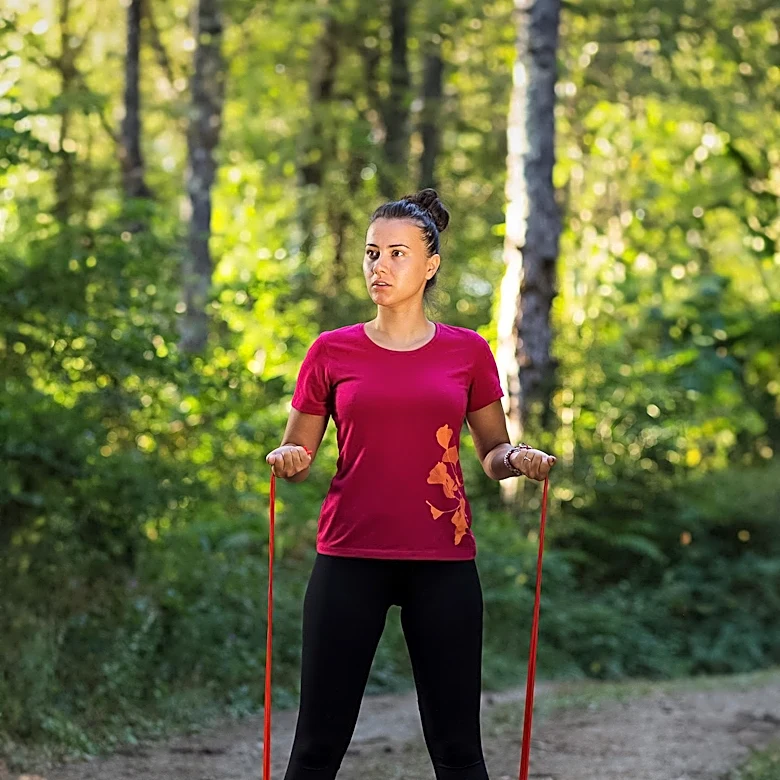
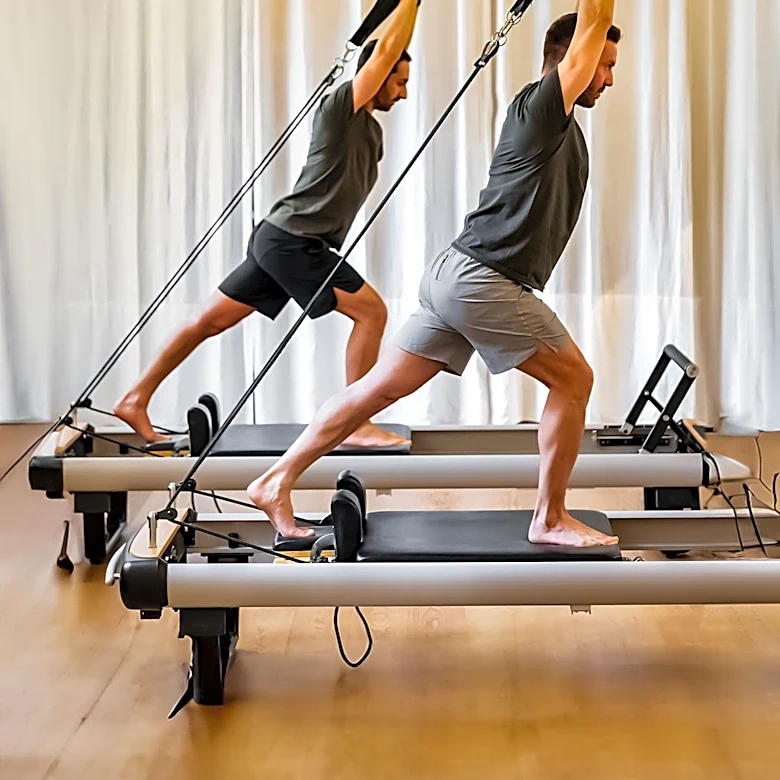
If you want to build that V-taper, your primary focus should be the deltoid muscles, which form the rounded contours of your shoulders. The deltoid has three parts, or 'heads', but for creating width, the medial (or side) head is your MVP. Exercises that push your arms out to the side are the most effective here. The undisputed king of this movement is the dumbbell lateral raise. Performed with proper form—using a light-to-moderate weight and focusing on a controlled, smooth motion—this exercise directly targets the fibers that add visible width to your frame. Another cornerstone exercise is the overhead press (either with dumbbells or a barbell), which builds overall shoulder mass and strength. While shoulders are key, a complete V-taper also involves the upper back, specifically the latissimus dorsi, or 'lats'. Exercises like pull-ups and lat pulldowns create a wider back, further enhancing the top of the V and solidifying the illusion of a trim waistline.
Dress the Frame, Define the Waist
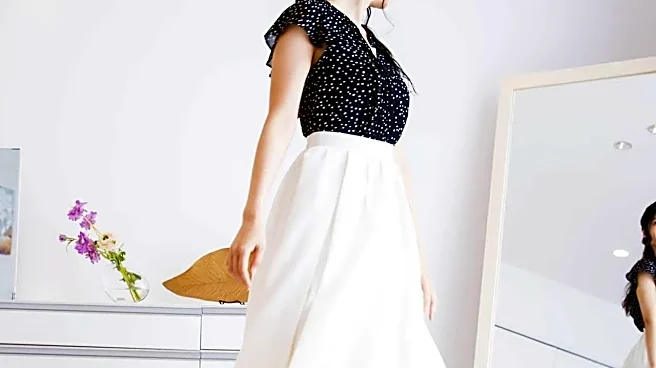
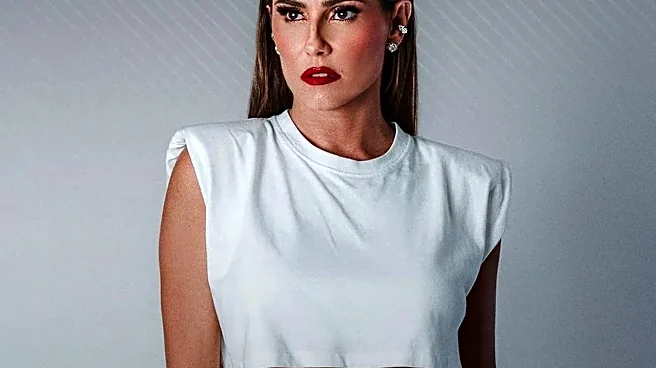
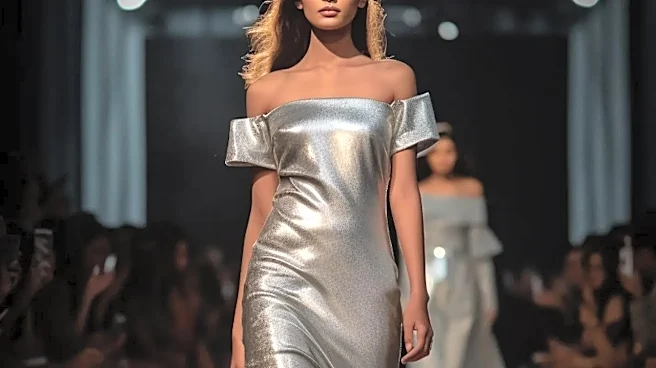
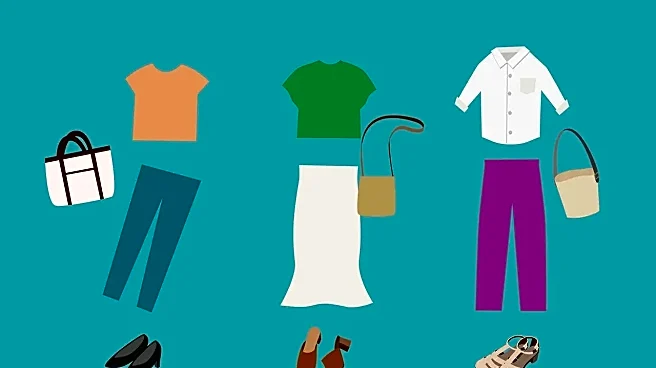
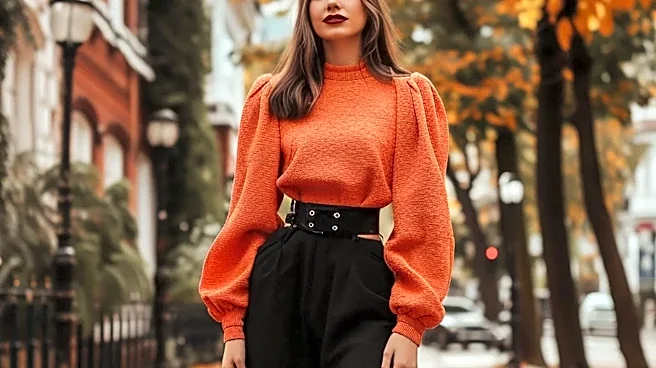
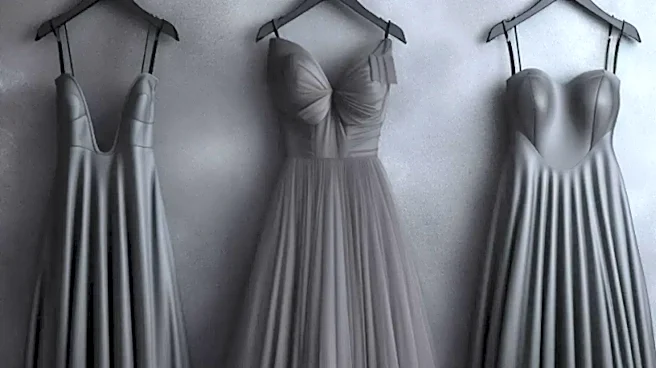
You don’t have to spend hours in the gym to take advantage of this proportional trick. Fashion offers a powerful and immediate shortcut. The right clothing can create a V-taper illusion in seconds. The most direct approach is wearing garments with structured shoulders. A well-fitted blazer with subtle shoulder pads is the ultimate example; it instantly broadens your shoulder line, making your waist appear cinched by comparison. But the options don't stop there. Tops and dresses with puff sleeves, a major trend that keeps returning, add volume exactly where you need it. Similarly, boat necklines and off-the-shoulder styles create a strong horizontal line across your collarbones, visually stretching the width of your upper body. The key is to pair this newfound upper-body volume with a fitted waist. Tucking in your shirt, adding a belt, or choosing a dress that nips in at the middle will complete the effect, turning a simple outfit into a masterclass in silhouette sculpting.
A Reality Check on Ratios
While building and dressing your shoulders can have a transformative effect, it's important to ground this conversation in reality. Genetics play a significant role in your natural bone structure. Some people have naturally wider clavicles and a frame that lends itself to a V-taper, while others have a straighter or pear-shaped build. This isn't a flaw; it's just a different starting point. Chasing an 'ideal' ratio can be a frustrating exercise. A more empowering approach is to view these techniques not as a way to fix a problem, but as tools to work with your unique physique. The goal of lifting weights shouldn't be just to achieve a certain look, but to build strength, improve posture, and feel more capable in your body. Likewise, fashion should be a form of self-expression and fun. Understanding proportions gives you the power to create shapes you enjoy, but it doesn't have to become another rigid beauty standard to live up to.