






Welcome to Florence's Fashion Stage
Before we get to the vest itself, we have to talk about the venue. Pitti Uomo is a biannual menswear trade show held in Florence, Italy. Officially, it’s where brands and buyers meet to do business. Unofficially, it’s the Super Bowl of men’s street style.
The cobblestone streets outside the Fortezza da Basso become a real-world runway for the world’s most stylish men—editors, buyers, models, and influencers—who gather to see and be seen. What they wear isn’t just an outfit; it’s a forecast. Trends are born, tested, and broadcast globally from these few city blocks. If a forgotten item from the back of the closet suddenly appears on dozens of well-dressed men at Pitti, the fashion world takes notice. And for the past several seasons, that item has been the humble utility vest.
From Pure Function to Elevated Form
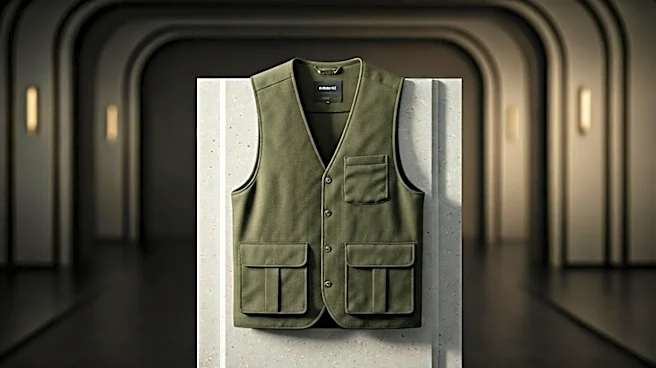
The first step in the utility vest’s glow-up was a change in its very construction. The vests spotted at Pitti aren’t the bulky, canvas-and-velcro affairs of yesteryear. Instead, designers have reimagined them with a focus on silhouette and material. Think less tactical gear, more architectural layer. The new vests are often crafted from technical nylon with a subtle sheen, lightweight wool, or even luxurious suede. The pockets are still there—that’s the whole point—but they’re integrated more cleanly, with streamlined flaps, hidden zippers, and a more symmetrical, considered placement. The cut is sharper, sitting closer to the body rather than hanging off it like a sack. It’s no longer just a tool; it’s a tailored piece of outerwear designed to complement a look, not just serve it.
The Art of Sartorial Juxtaposition
This is where the real magic happens. The single biggest reason the utility vest now feels sophisticated is how it’s being styled. The Pitti peacocks, masters of the high-low mix, didn’t wear these vests with cargo shorts and hiking boots. They used them as a disruptive layering piece within traditional menswear. Picture it: a sharp, unstructured navy blazer, a crisp white dress shirt, tailored trousers… and a slim, olive-green utility vest worn in place of a waistcoat. The contrast is immediate and intentional. The vest injects a dose of modern, practical energy into an otherwise classic ensemble. It says, “I appreciate tailoring, but I don’t live by its old rules.” By layering it over suiting or fine knitwear, the wearer re-contextualizes the vest. It’s no longer just for holding things; it’s for adding texture, visual interest, and a subversive edge to a polished look.
Why Now? Gorpcore and Grown-Up Streetwear
The vest’s rise isn’t happening in a vacuum. It’s the perfect child of two major menswear movements. First is “gorpcore,” the fashion world’s fascination with functional, outdoor-oriented clothing (think Arc’teryx jackets and Salomon sneakers). The utility vest is a natural fit, offering practicality with an aesthetic flair. Second is the evolution of streetwear. As the generation raised on hoodies and graphic tees has grown up, they’re seeking ways to incorporate that comfort and utility into a more mature wardrobe. The utility vest serves as a perfect bridge. It’s more structured than a hoodie but less formal than a blazer. It provides the pockets and functionality that streetwear lovers value, but when styled with tailoring, it feels appropriate for a creative office or a stylish event. It’s the answer to the question: what comes after the hypebeast era? It seems the answer is practical elegance.