




This Year’s Unforgettable Oversights
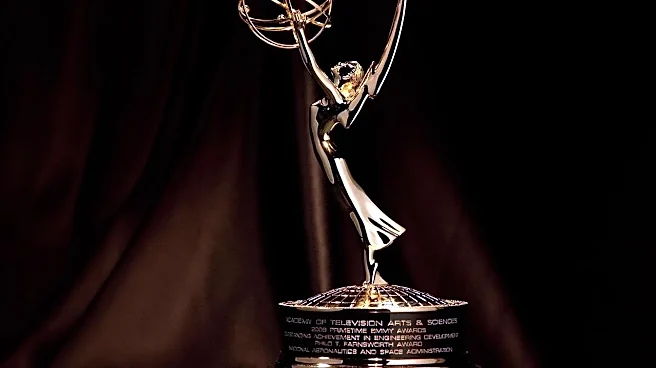
The 78th Primetime Emmy Awards delivered its share of memorable moments, but the morning-after conversation is dominated by the shows and stars that went home empty-handed. While the medical drama 'The Pitt' racked up an astonishing 25 nominations and the final
season of 'Hacks' was a major contender, fans and critics are dissecting some notable absences from the winner's circle. The final season of 'Stranger Things,' a global phenomenon, was surprisingly shut out of major categories. Meanwhile, after a season of dominating water-cooler conversations, Apple TV+'s buzzy mystery 'Widow's Bay' scored big in nominations but saw many of its beloved actors, like Stephen Root, lose out in tight races. Perhaps most humorously, Kaitlin Olson of 'Hacks' playfully dubbed herself a 'four-time Emmy loser' after another nomination failed to materialize into a win, a sentiment that resonates with fans of chronically overlooked artists. It's this gap between critical acclaim, audience love, and Emmy gold that fuels the fire.
The Impossible Math of 'Peak TV'
So, is the Television Academy just out of touch? Not exactly. The single biggest reason for snubs is the sheer volume of quality television. With hundreds of scripted series released across broadcast, cable, and a dizzying number of streaming platforms each year, it’s mathematically impossible to recognize them all. Emmy voters must sift through an avalanche of content, and even with the best intentions, they can't watch everything. This isn't the 1970s, when a handful of networks dominated the airwaves. Today, a brilliant but quiet show on a smaller platform can easily get lost in the noise created by marketing juggernauts from HBO, Netflix, or Apple TV+. The result is that voters often gravitate toward shows they’ve already heard of or previously enjoyed, leading to repeat nominations and wins for established hits. This creates a high barrier to entry for new or unconventional series, regardless of their quality.
How the Voting Actually Works
The Emmy voting process itself contributes to these patterns. The Academy is composed of over 20,000 members divided into peer groups based on their craft—actors vote for acting awards, directors for directing, and so on. While this ensures expertise, it can also create pockets of preference. An actor's actor might not be the fan favorite, and a technically brilliant show might win craft awards at the Creative Arts Emmys while being overlooked for the main series prize. Furthermore, the voting system has changed over the years. Now, in many major categories, voters can select as many achievements as they deem worthy of a nomination. This can sometimes dilute the chances of a consensus-building dark horse and instead favor shows with broad but not necessarily deep support. The tendency for the same shows and actors to win repeatedly isn't a conspiracy; it's often a feature of a system where familiarity and sustained quality are rewarded over novelty.
Why We Fight for Our Favorite Shows
Ultimately, the reason the snub debate is so potent is because it’s personal. In the age of streaming, we don't just watch shows; we curate them, binge them, and build communities around them. Our favorite series become part of our cultural identity. When a show that we've invested dozens of hours in—a show that made us laugh, cry, or see the world differently—is ignored, it can feel like a personal slight. Arguing about snubs isn't just about a gold statue. It's about validation. It's a way of publicly declaring that this art mattered, that it had an impact. It’s a spectator sport where we get to champion our teams, and in a landscape with infinite choices, having our choice validated by a major award feels like a collective victory. The outrage is, in its own strange way, a celebration of how much we care about television.