

The Ritual of the Campfire
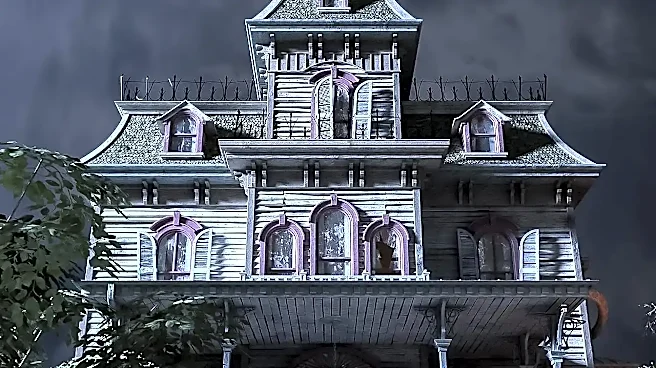
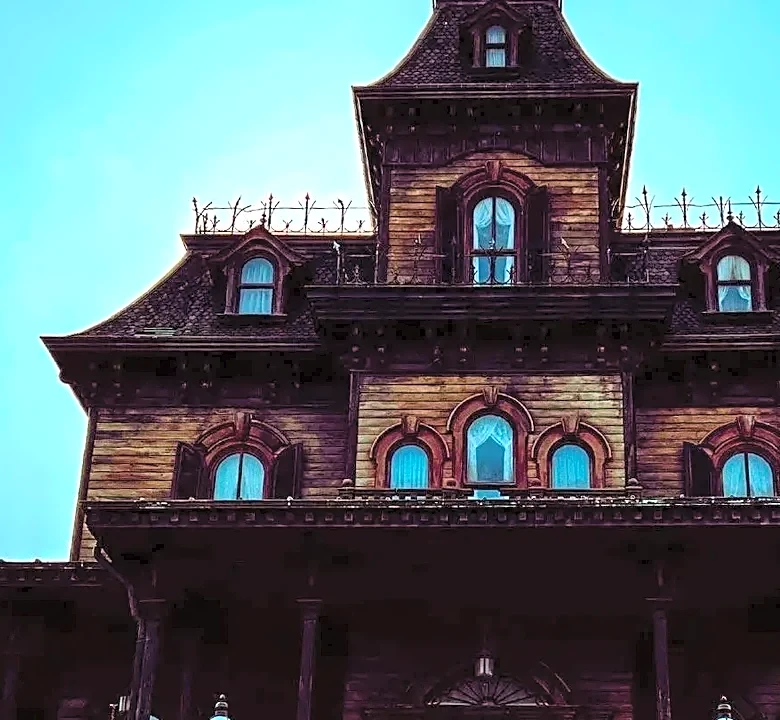
Before each tale of terror even began, the show established an atmosphere that is pure autumn magic. The opening credits, with their haunting music and imagery of abandoned swings and creepy attics, set the stage. But the real hook was the framing device:
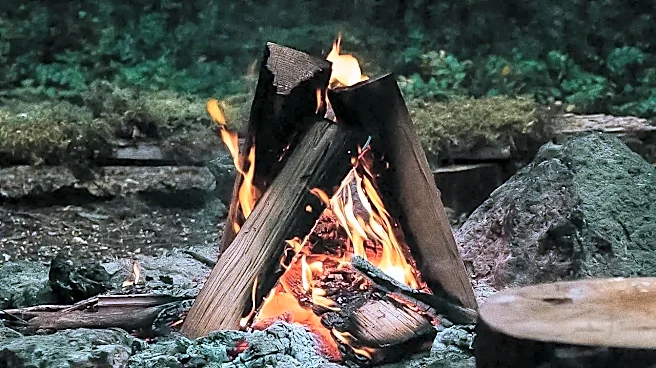
a group of kids, The Midnight Society, gathering around a crackling campfire to tell scary stories. That iconic opening, "Submitted for the approval of The Midnight Society…," wasn't just a catchphrase; it was an invitation. The ritual—the clandestine meeting in the woods, the casting of "midnight dust" from a leather pouch—made the viewer feel like part of a special, spooky club. This structure grounded the horror in oral tradition, turning each episode into a shared experience before the first monster even appeared.
The Perfect 'Gateway' to Horror
For many, 'Are You Afraid of the Dark?' was their first real taste of the horror genre. It mastered a difficult balance, delivering genuine chills without the gore or extreme violence of adult horror. The scares were psychological, built on suspense and eerie concepts rather than jump scares alone. It respected its young audience, trusting them to handle mature themes like loss, fear, and loneliness within a supernatural framework. In doing so, it acted as a 'gateway,' preparing a generation for more sophisticated works from Stephen King or 'The Twilight Zone' while standing on its own as a masterful piece of age-appropriate horror. It was scary enough to make you sleep with a nightlight, but not so terrifying that you wouldn't tune in again the following week.
An Anthology for the Ages
One of the show's greatest strengths is its anthology format. With a new story and new characters each week, the series could explore the full spectrum of horror. One episode might feature a classic ghost story, the next a tale of sci-fi terror about virtual reality, and another a creature feature with a monster lurking in a swimming pool. This variety not only kept the show fresh but also makes it incredibly re-watchable today. There's no complex season-long arc to remember; you can simply pick an episode that sounds appealing. Whether it's the clown-focused 'Tale of Laughing in the Dark' or the vampiric 'Tale of the Midnight Madness,' each episode is a self-contained dose of dread, perfect for a 30-minute Halloween fix.
Monsters That Tapped Into Real Fears
The show excelled at taking common childhood anxieties and turning them into memorable monsters. Fear of clowns became Zeebo, a cigar-chomping phantom who haunts a funhouse. Fear of what lurks in the water manifested as the skeletal ghoul from 'The Tale of the Dead Man's Float'. Unlike some of its contemporaries, the show’s monster designs were often genuinely frightening, using clever makeup and shadow to overcome budget limitations. Villains like the Ghastly Grinner or the eerie spirit from 'The Tale of the Quicksilver' were nightmare fuel precisely because they were born from relatable fears: the thing in your basement, the creepy neighbor, or the feeling that you are being watched. The show understood that the most effective horror comes from twisting the familiar into something terrifying.