






More Than Just a Famous Narrator
Forget the disembodied voiceover. The celebrity historian isn't just a famous person reading a script. Think of it as the intersection of Stanley Tucci’s passion in “Searching for Italy” and the cultural excavation of Questlove’s Oscar-winning documentary
“Summer of Soul.” This new archetype involves a public figure with a genuine, often personal, connection to a historical subject. They act as a curious proxy for the audience, using their charisma and platform to guide viewers through complex stories. It’s less about having a PhD and more about having a palpable passion that makes history feel like an active discovery, not a dusty lecture. The goal is to transform a historical account into a compelling, personality-driven narrative that can cut through the noise of the streaming wars.
A Perfect Storm for 2026
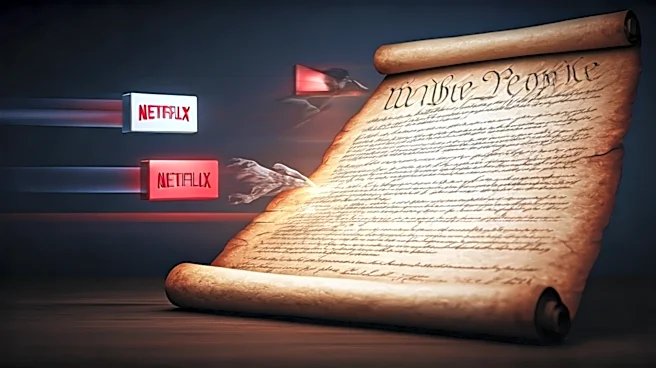
The rise of the celebrity historian isn't happening in a vacuum. It’s the result of a perfect media storm. First, America’s upcoming Semiquincentennial provides an unmissable programming hook. Networks and streamers are already flooding the zone with specials and series for the July 4th milestone. Second, in a landscape with infinite choice, a recognizable face is the ultimate cheat code for grabbing audience attention. Non-fiction storytelling has become a hot commodity, but pairing it with a beloved celebrity makes it a much safer bet for risk-averse executives. Finally, audiences have demonstrated a clear appetite for this format. Shows where a celebrity explores a personal interest—be it food, travel, or culture—have proven to be reliable hits, creating a ready-made template for historical deep dives.
Casting the Nation's Storytellers
So, who fits the bill? The potential roster is as diverse as the nation itself. Imagine a musician like Bruce Springsteen exploring the history of American labor movements through song, or a filmmaker like Ava DuVernay helming a series on the untold stories of the Civil Rights era. It could be an actor with deep roots in a specific region uncovering its hidden past, or even a comedian using humor to deconstruct national myths, much like Mel Brooks has done for decades. The key is authenticity. The celebrity’s connection to the material must feel earned. This isn’t just a hosting gig; it’s a passion project broadcast to millions, and viewers can spot a phony from a mile away.
The Authenticity Tightrope
Of course, this trend comes with risks. Handing over the nation’s history to entertainers could lead to a dumbing-down of complex issues, prioritizing sizzle over substance. Celebrity-produced documentaries are often criticized for being “sanitized storytelling” where the star maintains full creative control, avoiding inconvenient truths. The success of this format hinges on a delicate balance: pairing star power with rigorous historical expertise. The best of these projects won’t replace historians but will collaborate with them, using the celebrity’s platform to bring scholarly work to a mass audience that might otherwise never encounter it. However, the politicization surrounding the America 250 events also poses a challenge, with some celebrities already backing away from affiliations they fear could alienate their audience, turning a patriotic celebration into a branding risk.