


1. Follow the Fabric
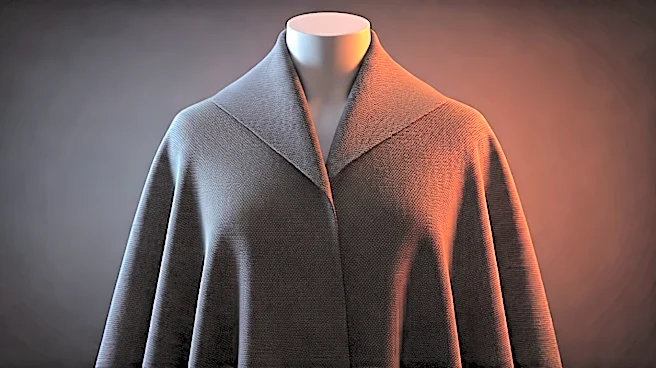
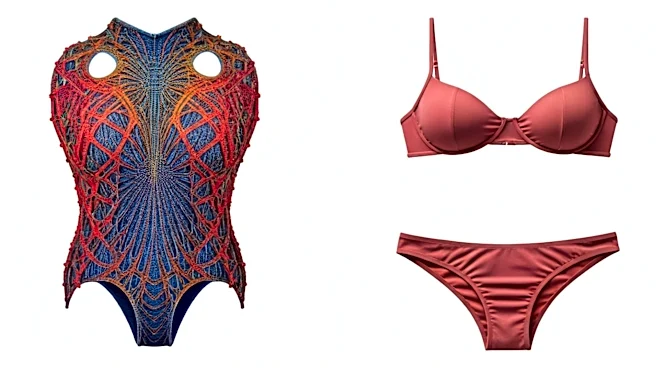
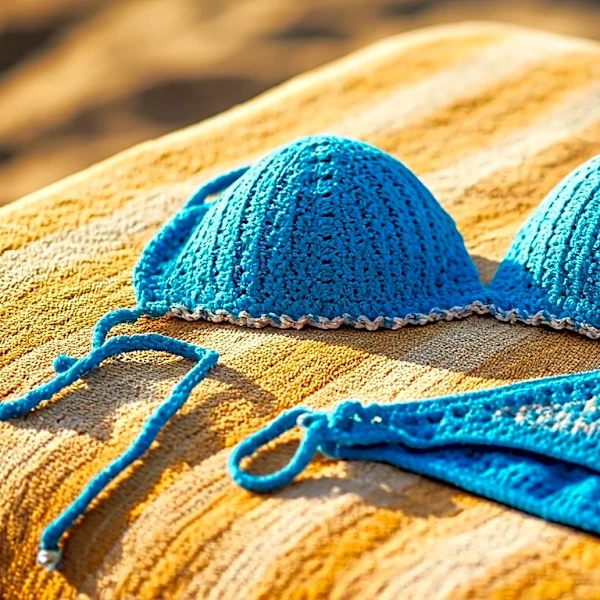
The first and most obvious giveaway is the material. A runway is a stage, and designers use it to tell a story with texture and sheen. You might see suits made from velvet, crochet, sheer organza, or even non-waterproof lurex. These fabrics look incredible
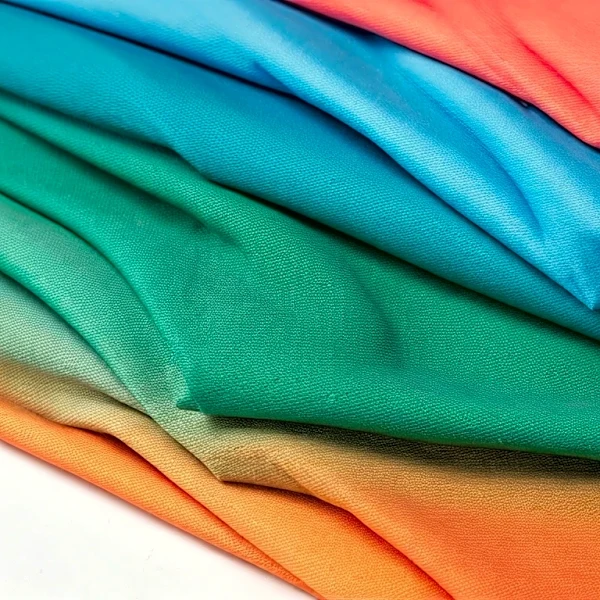
under the lights and create a specific mood, but they would be a disaster at the beach or pool. Velvet gets heavy and sags, crochet can stretch out permanently, and delicate materials won’t survive chlorine or salt water. Your sellable suit, however, is built for reality. Look for high-performance, water-friendly fabrics like nylon, spandex, elastane, and increasingly, recycled materials like Econyl. These textiles are chosen for their quick-drying properties, UV protection, durability, and four-way stretch. If the fabric looks like it belongs on a couch or an evening gown, it’s a runway piece. If it feels sleek, sturdy, and ready for a cannonball, it’s meant to be sold.
2. Analyze the Art of the Cut
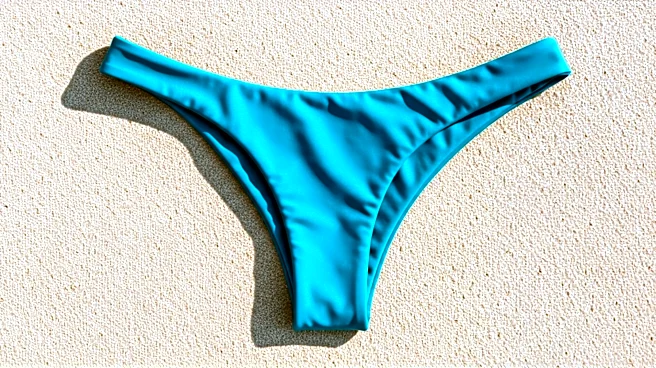
Runway swimwear is all about silhouette and shock value. This translates into extreme cuts: ultra-high legs that reach the ribcage, bottoms with minimal coverage (the “dental floss” trend), and intricate asymmetrical cutouts that create beautiful but impractical shapes. These designs are meant to be memorable and photograph well, establishing the brand as daring and fashion-forward. The goal is to generate buzz, not to provide support or coverage for an actual human body in motion.
When that suit gets to the retail stage, it’s been through a major edit. The sellable version will take the *spirit* of the runway design and make it functional. That extreme high-cut leg will be lowered to a more flattering and wearable height. The microscopic bottom will be offered in a cheeky or full-coverage option. The complex web of cutouts will be simplified, repositioned, or reduced to ensure the suit stays in place. The core idea is still there, but it’s been adapted for fit, comfort, and confidence.
3. Consider the Hardware and Embellishments
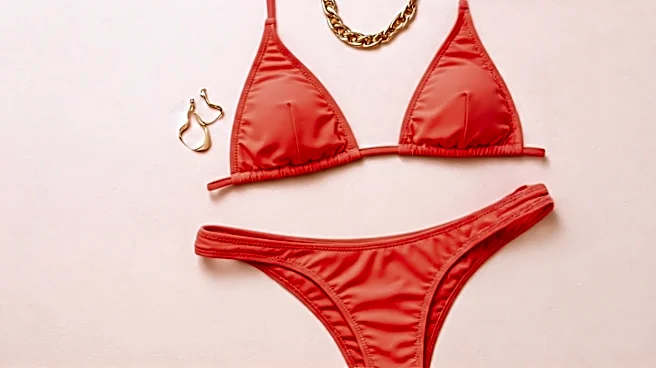
Nothing says “runway only” like a pound of hardware. Designers often adorn their showpieces with heavy metal chains, oversized acrylic rings, elaborate beading, or delicate shells. While visually stunning, this hardware is often heavy, prone to getting scorching hot in the sun, and can easily rust or break when exposed to the elements. It’s jewelry that happens to be attached to a swimsuit.
The commercial translation of this is all about practicality. The oversized metal chain might become a delicate, rust-proof gold ring connecting the straps. The dramatic beading might be reimagined as a durable textured fabric or a printed pattern that evokes the same feel without the snagging hazard. Any clasps or closures on a sellable suit will be made from materials designed to withstand sun, salt, and chlorine without breaking or burning your skin. If it looks like it could double as a necklace, it’s for the show. If it looks sleek and functional, it’s for sale.
4. Separate the Styling from the Suit
On the runway, a swimsuit is rarely just a swimsuit. It’s the centerpiece of a full look. It’s styled with dramatic floor-length cover-ups, statement sunglasses, intricate body chains, and towering heels. This styling creates a fantasy and helps build a world around the collection. The goal is to present a character, an archetype—the bohemian traveler, the futuristic goddess, the poolside siren. This is pure marketing theater.
When shopping, you have to mentally strip all of that away. The sellable swimsuit has to stand on its own. A brand might sell a complementary sarong or cover-up, but the suit itself is the product. The question shifts from “What fantasy is this selling?” to “Will this look good on its own when I’m walking from my towel to the water?” The runway presents a total look; retail sells a versatile item.
5. Decode the Color Story
Color on the runway is used for maximum impact. A designer might send out a series of looks in a jarring, acidic neon green or an ethereal, almost-white lavender to make a strong artistic statement. These colors are chosen to grab the attention of editors and photographers and to define the collection’s theme. They are not always chosen based on what the average consumer wants to wear.
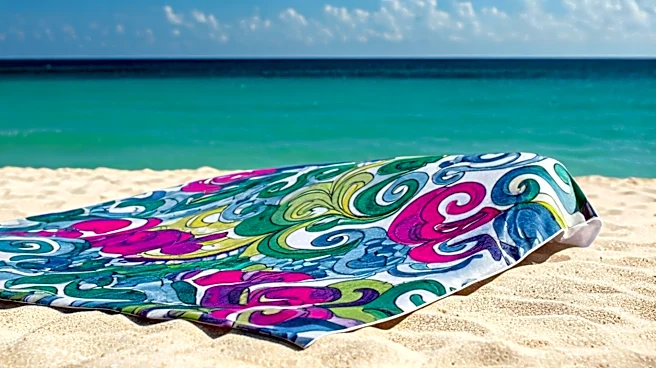
For the retail collection, these artistic color choices are often supplemented with a broader, more commercial palette. That acid green might be offered alongside a more approachable emerald or olive. An exclusive, wild print from the runway might be reproduced in a classic black-and-white or a friendly navy blue. Brands know that while a few daring customers will buy the runway color, the bulk of their sales will come from tried-and-true hues that flatter a wider range of skin tones and personal styles.