








Black Dye Is Rarely Just Black
The first culprit behind your mismatched blacks is the dye itself. Creating a true, stable, and pure black pigment is notoriously difficult and expensive. Instead, most fabric manufacturers create black by mixing several other colors. Typically, this
involves combining very dark versions of blue, red, and yellow pigments to achieve a shade that absorbs almost all light, which our eyes perceive as black. However, these component colors don't always fade at the same rate. Through washing, friction, and sun exposure, one of the underlying pigments—like blue or brown—can begin to reveal itself as the top layers of dye break down, causing your once-black jeans to look brownish or your t-shirt to appear gray or navy.
Fabric Texture Bends the Light
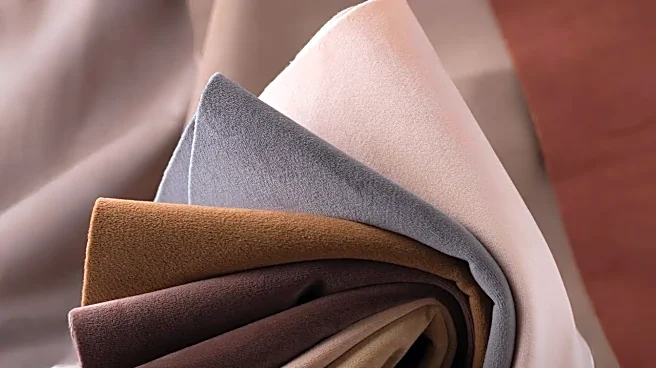
Color isn't just about pigment; it's also about how a surface interacts with light. The texture of a fabric plays a huge role in how we perceive its color. A smooth, shiny fabric like satin or silk reflects light directly and evenly, which can make a color appear more intense and vibrant. In contrast, a fabric with a deep, rough, or plush texture—like velvet, corduroy, or a chunky knit—absorbs and scatters light. This creates tiny highlights and shadows across the surface, giving the color more depth and often making it appear richer or darker. So, a black velvet jacket will inherently look different from a black cotton shirt, even if they were colored with the exact same dye, because their surfaces manipulate light in fundamentally different ways.
The Lighting Changes Everything
The final piece of the puzzle is a scientific phenomenon known as metamerism. This occurs when two colors appear to be a perfect match under one light source but look distinctly different under another. You've likely experienced this when buying clothes. Two black items might look identical under the cool, fluorescent lights of a department store. This is because those lights have a specific spectral output that your eyes and brain interpret in a certain way. However, when you take those same two items outside into natural sunlight, or into your home with warm incandescent or LED lighting, the different light spectrum reveals the subtle differences in their dye formulas. Suddenly, the blue undertones of one garment and the brown undertones of the other become obvious.
Fading and Wear Play Their Part
Over time, even a perfectly matched black outfit can begin to show differences. The process of wearing and washing clothes introduces factors like friction and heat that accelerate dye loss. Areas that rub frequently, such as collars and cuffs, can lose pigment faster. More significantly, washing in hot water or using harsh detergents with optical brighteners can strip dark dyes from the fabric. As the composite dyes that form the black color break down unevenly, the fabric can fade into a grayish, greenish, or brownish cast. Furthermore, washing can abrade the surface of natural fibers like cotton, raising microscopic fibrils that scatter light instead of absorbing it, making the garment appear lighter or grayer even if the dye is still intact.