

The Foundation: Gen X and 90s Minimalism
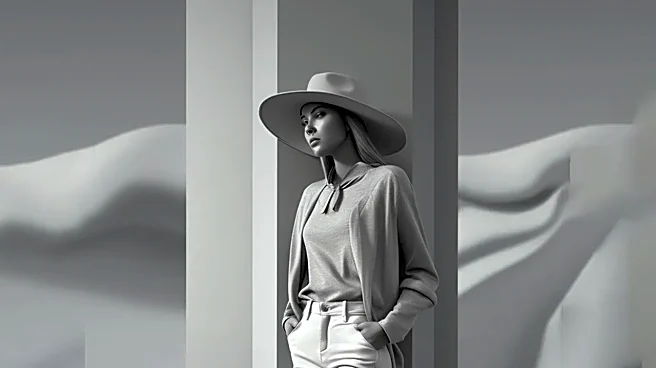
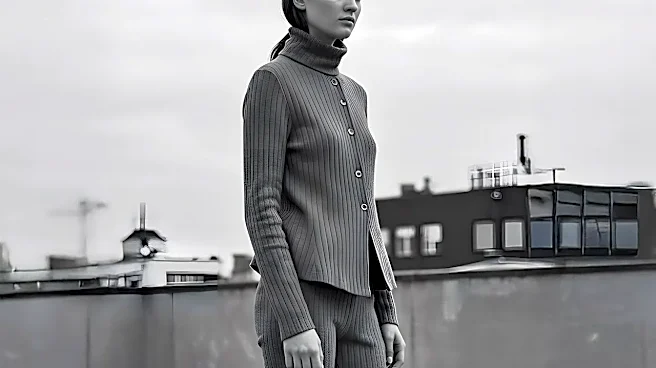
Think back to the aesthetic that defined the 1990s. It was a palate cleanser after the neon and shoulder pads of the previous decade. Gen X minimalism was built on a foundation of sharp tailoring, neutral palettes, and an air of intellectual detachment.
The icons of this era were designers like Calvin Klein, with his slip dresses and clean-cut denim; Helmut Lang, who perfected a kind of utilitarian chic; and Jil Sander, the queen of luxurious restraint. The silhouette was often severe, with straight lines and a deliberate lack of ornamentation. The color scheme rarely strayed from black, white, grey, and beige. This wasn't a style meant to be bubbly or overtly friendly. It was about a quiet, confident power, an aesthetic armor that whispered “less is more” and suggested the wearer had more important things to think about than fussy clothes.
The Evolution: The Copenhagen Cool-Down
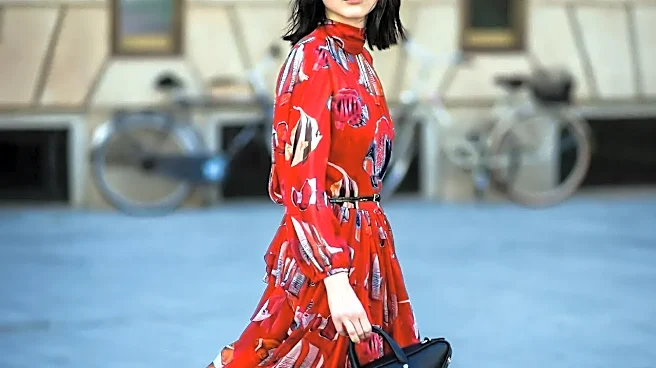
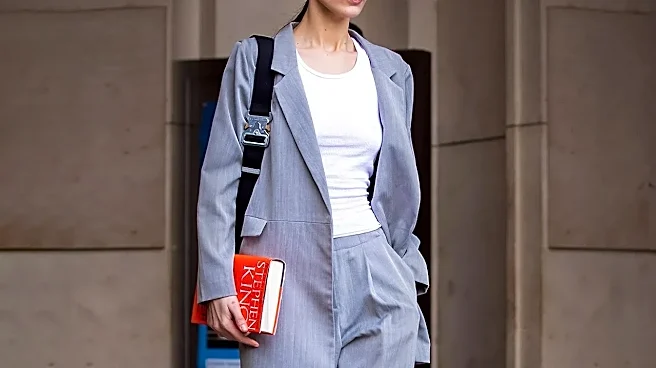
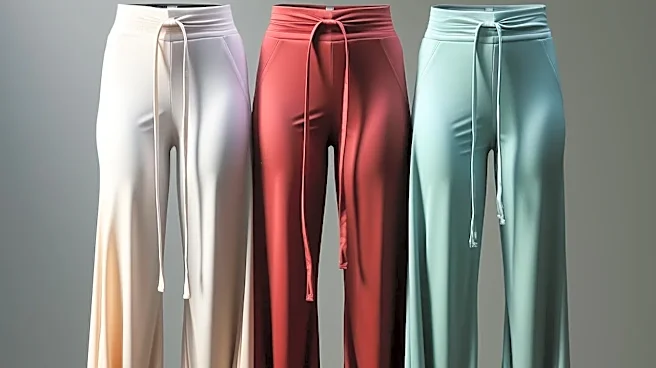
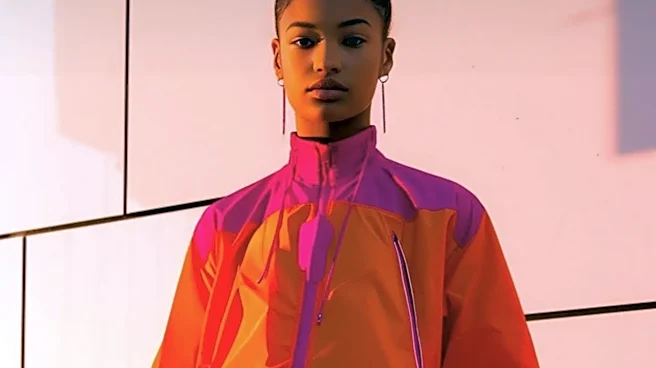
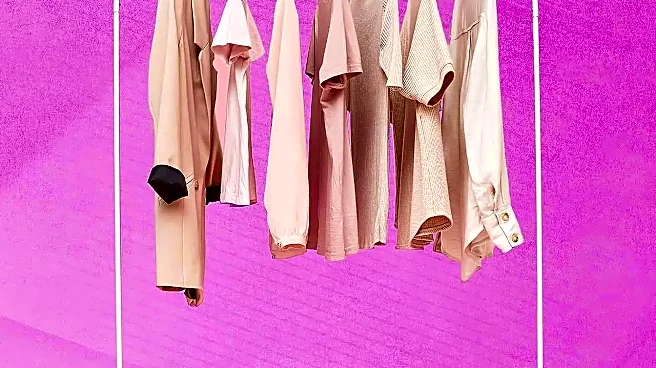
Fast forward to today, and the fashion world’s gaze is fixed on Copenhagen. The style dominating its streets is a descendant of minimalism, but it speaks a different language. Where 90s minimalism was rigid, the Copenhagen silhouette is fluid. Where it was severe, Copenhagen style is playful. The core principles of simplicity and functionality remain, but they've been infused with personality. Recent Copenhagen Fashion Weeks have showcased this evolution perfectly, with oversized tailoring, billowing trousers, and soft, flowing fabrics taking center stage. It’s a look built for real life—especially life on a bicycle—blending practicality with a certain sartorial joy. The strict neutral palette has been expanded to include what are often called 'Nordic neutrals'—sandy tones, cocoa, and cream—alongside surprising pops of butter yellow or cherry red.
Recutting the Silhouette: What 'Fluid' Really Means
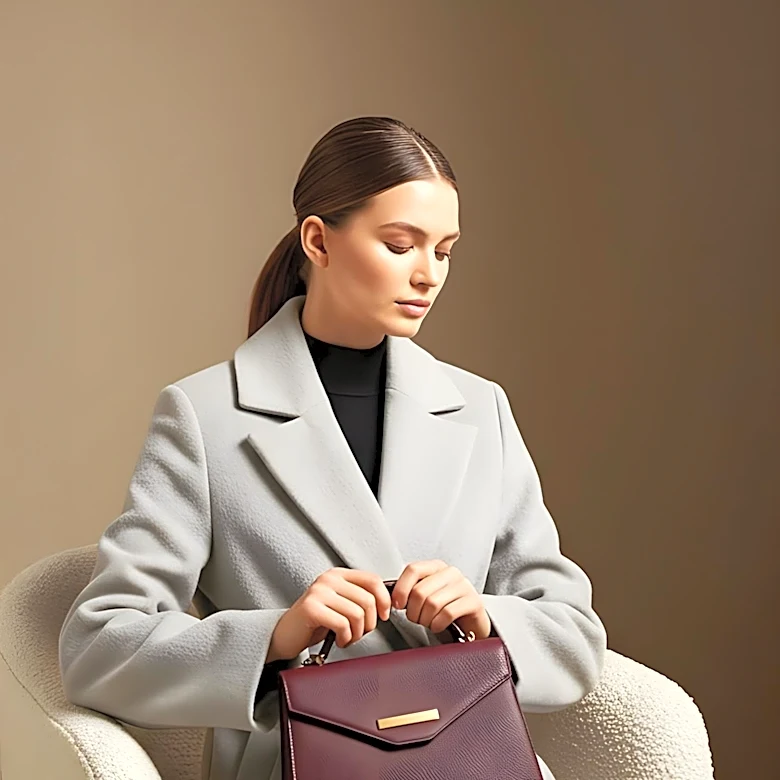
So, how exactly is that Gen X uniform being “recut”? The new silhouette is all about a relaxed and fluid shape. Instead of sharp, body-hugging lines, you see boxy blazers, slouchy trousers, and voluminous dresses. This fluidity appears in the way designers use draping and movement, creating shapes that are elegant but also incredibly comfortable. It's a style that prioritizes ease without sacrificing sophistication. The aesthetic also embraces a more fluid approach to getting dressed, mixing textures like a chunky knit with a sleek skirt or layering in unexpected ways. This isn't about a single, perfect head-to-toe look, but an artful combination of pieces that feel personal and lived-in. It swaps the intimidating coolness of the 90s for an approachable, effortless confidence.
Why Now? Culture, Comfort, and Consciousness
This shift isn’t just about aesthetics; it’s a reflection of our changing values. The post-pandemic world has put a premium on comfort, and the fluid, oversized shapes of Copenhagen style deliver that in spades. There’s also a growing emphasis on sustainability in fashion, a movement where Copenhagen Fashion Week is a leader. The minimalist ethos of buying fewer, better things fits perfectly with this conscious mindset. The Danish concept of “hygge”—a feeling of coziness and contentment—also feels woven into the fabric of this style. It’s a move away from fashion as performance and toward fashion as a source of personal comfort and joy. It’s less about looking untouchable and more about feeling good in what you wear, creating a wardrobe that is both stylish and sustainable in the truest sense of the word.