









The Beautiful Game’s High Barrier to Entry
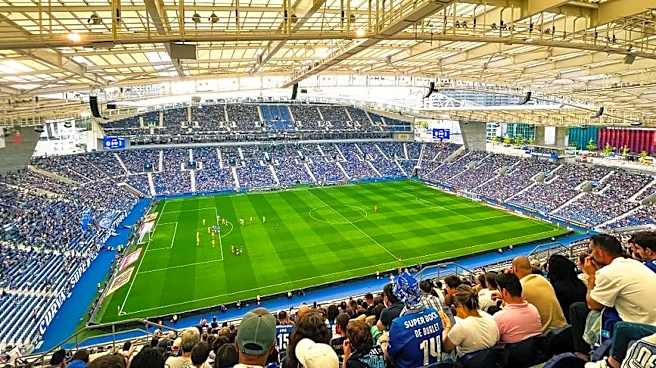
Let’s be honest: for the casual American fan, diving into the World Cup can be intimidating. The rhythms are different from our own sports. There are no commercial breaks, games can end in a draw, and the tournament structure itself—with its group stages,
knockout rounds, and arcane tiebreakers—can feel like advanced calculus. Add in the complex histories of international rivalries and the subtle genius of a holding midfielder, and it’s easy to feel lost. While a baseball game unfolds with predictable pauses and a football game is a series of discrete, explosive plays, a soccer match is a 90-minute-long conversation in a language you might not speak. It’s a huge part of the appeal for diehards, but it can be a steep learning curve for newcomers.
Food: The Great Cultural Equalizer
But what if you didn’t need to understand the nuances of a 4-3-3 formation to feel the passion of the tournament? This is where food comes in. It’s the great equalizer, a universal language that requires no prior knowledge to enjoy. Food is culture, history, and community served on a platter. While a tactical discussion might go over your head, the sensory experience of a perfectly grilled steak, a rich stew, or a crispy, savory pastry is immediately understandable. It’s a direct line to the heart of a country's identity. When you share a nation’s food, you’re participating in its culture, and during the World Cup, that culture is on full display.
Eating Your Way Through the Brackets
Think of the tournament as a global potluck. As Argentina takes the field, you can almost smell the woodsmoke from a traditional asado, the multi-hour barbecue ritual that is central to their social life. When Brazil plays, it’s an excuse to seek out picanha from a churrascaria or a hearty plate of feijoada, the country’s national dish. For a Germany match, it’s bratwurst and a pretzel, washed down with a world-class beer. Watching England? A platter of fish and chips makes a perfect companion. Each dish tells a story. It’s not just fuel for the fans; it’s an edible expression of national pride. Exploring these cuisines during the tournament turns every match into a discovery, transforming your TV screen into a window on the world.
The American Soccer Melting Pot
Here in the U.S., this phenomenon is amplified. The World Cup is one of the few times when the country’s diverse immigrant communities put their national pride on vibrant public display. Suddenly, that unassuming neighborhood bar is draped in the flag of Croatia, the local taqueria is overflowing with fans in Mexico jerseys, and the German beer hall becomes a cathedral of chanting. For a month, you can travel the world without leaving your city. Walking into one of these establishments during a match is an instant immersion. You may not know the words to the anthem, but when you’re sharing a plate of tacos al pastor and the room erupts for a goal, you’re part of it. You’re sharing in the collective joy—or heartbreak—in the most authentic way possible.
Your Culinary Game Plan
So, how do you get started? It's simple. Pick a team—any team. Maybe it’s the one you drew in the office pool, or a country whose flag you think looks cool. Then, do a quick search for that nation's most beloved dish. Find a recipe and try making it at home for the match, or better yet, find a local restaurant run by people from that country. Go there on game day. Order what everyone else is having. You don’t need to be an expert. In fact, it's better if you're not. Just be a curious eater. Ask the server what’s good. Tell the person next to you at the bar that you’re trying to get into the sport. You’ll find that a shared love of good food is the perfect icebreaker.