

The Sustainability Story Is Non-Negotiable
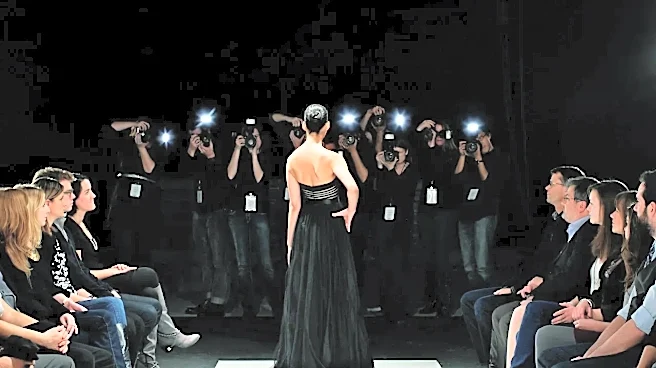
In Danish fashion, sustainability isn't a marketing buzzword; it's a foundational pillar. Copenhagen Fashion Week has enforced mandatory sustainability requirements for participating brands since the early 2020s, setting a global standard. Buyers immediately
check for this commitment. They look for transparency in the supply chain, the use of eco-friendly materials like organic cotton, recycled fabrics, or innovative textiles, and ethical production processes. A brand that can't speak fluently about its environmental and social impact is unlikely to be taken seriously. This focus on responsibility is seen as integral to the modern luxury that defines Danish style.
A Clear and Consistent Design Philosophy
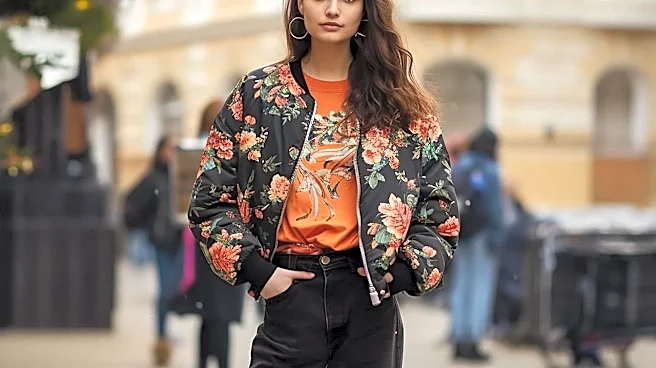
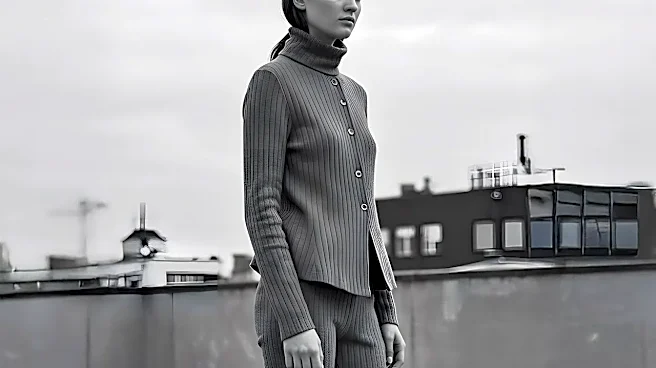
While minimalism is a major theme, the best Danish brands have a distinct point of view that goes beyond simple black and white. A buyer wants to see a unique and consistent aesthetic, whether it's the playful, print-heavy joy of a brand like Ganni, the sculptural romanticism of Cecilie Bahnsen, or the architectural knitwear of A. Roege Hove. Is the brand about timeless, earthy basics like The Garment, or does it have a darker, street-inspired edge? Contradiction and personality are welcome—what's not is a brand that tries to be everything at once. A strong, recognizable identity suggests the label has a clear vision and understands its customer.
Functionality and Enduring Quality
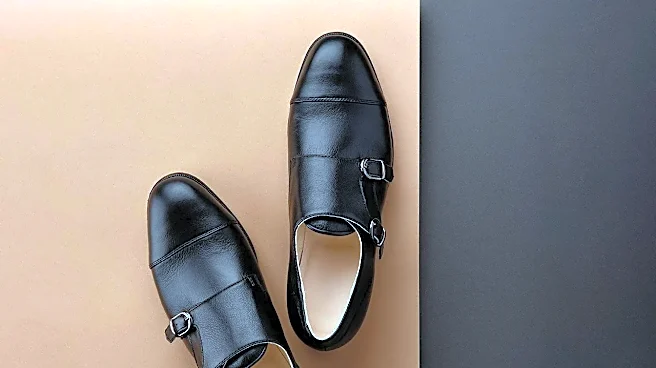
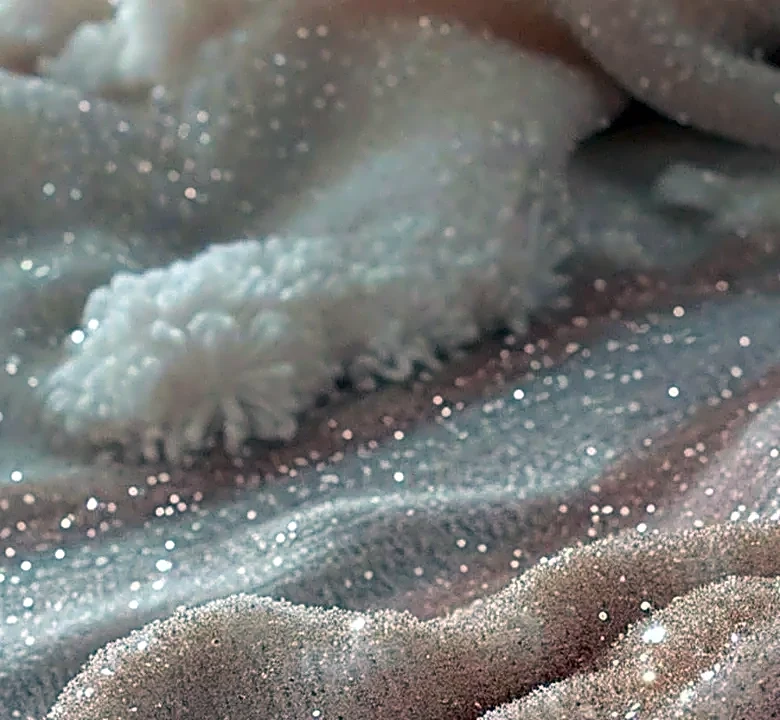
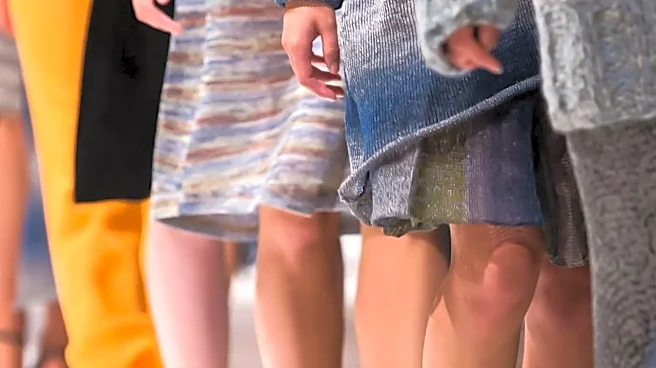
Rooted in a design heritage that marries form and function, Danish clothing is meant to be lived in. This translates to a focus on practicality that American buyers appreciate. Clothes are often designed to be comfortable and versatile, suitable for a lifestyle that might include biking to work and then heading to a gallery opening. Buyers will physically inspect the garments, checking the quality of the materials, the precision of the stitching, and the overall craftsmanship. The feel of the fabric—be it high-quality wool, crisp cotton, or flowing silk—is a primary indicator of the brand's commitment to creating pieces that will last for seasons, not just a single trend cycle.
An Element of 'Hygge' and Wearability
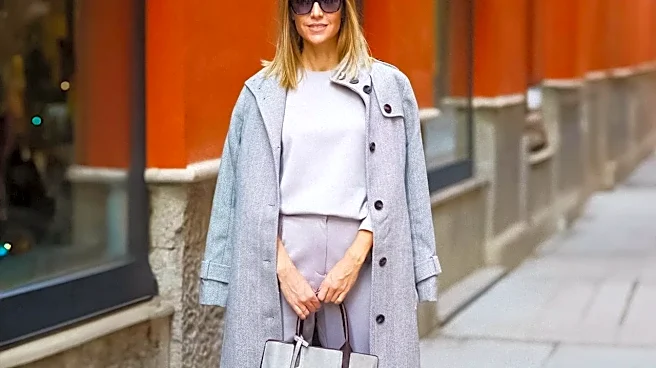
There’s an intangible quality to Danish style often described as leaving things a little undone—a perfectly tailored blazer paired with sneakers, or slightly mussed hair with a beautiful dress. This concept of relaxed, comfortable elegance is key. Buyers look for pieces that feel special but not precious. Can you throw this sweater on and feel instantly put-together yet cozy? This emphasis on comfort and layering is crucial in a region with fickle weather, and it results in clothes that are practical and desirable. Great Danish fashion offers a sense of stylish ease, embodying a feeling of well-being that is both aspirational and achievable.
The Investment Over Impulse Mentality
Unlike fast fashion, the Danish approach is centered on buying fewer, better things. Buyers evaluate a new label based on whether its pieces feel like a smart investment. The designs should be modern yet timeless, capable of being mixed and matched with other wardrobe staples. This philosophy is reflected in brands that offer free repairs or use durable materials designed to age well. A successful Danish label communicates that it is creating future heirlooms, not disposable trends. This long-term value proposition is a powerful selling point for buyers looking to introduce their customers to brands with integrity and staying power.