



The Science of Seeing Color
The color of an object isn’t inherent; it’s a result of light reflecting off it and into our eyes. Change the light, and you change the color. This is governed by 'color temperature,' measured in Kelvin (K). A lower Kelvin value produces a warm, yellow-orange
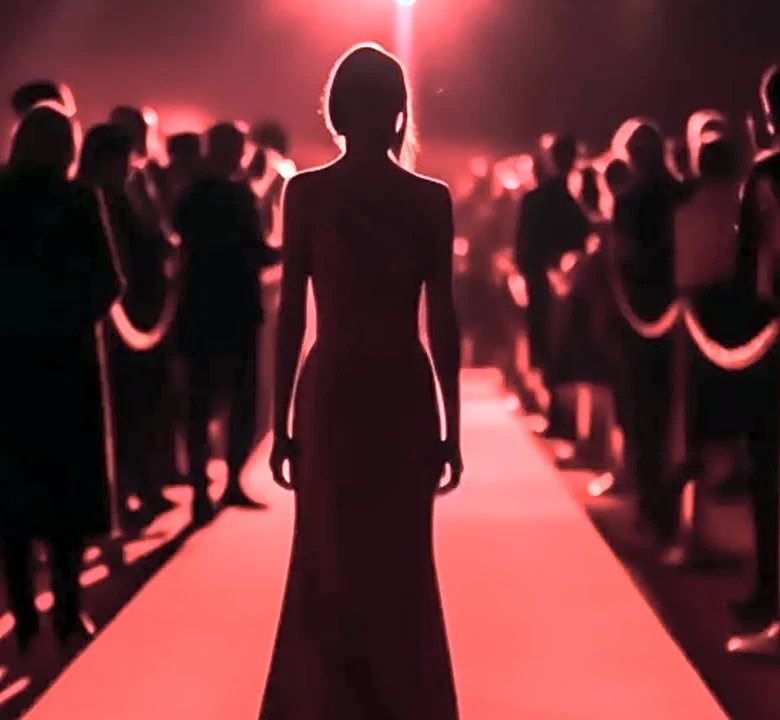
light, like a candle. A higher value creates a cool, bluish light, like a bright, overcast day. Natural daylight, the standard for true color, sits in the middle. Runway lighting, by its nature, is a dramatic departure from neutral. It's a tool for creating mood—be it intimate and warm or edgy and cool—which directly impacts how the hue of a garment is perceived. A designer’s carefully selected cerulean blue can appear as a deep navy under warm lights or shift towards a brighter cyan under cool ones.
The Designer's Studio vs. The Runway
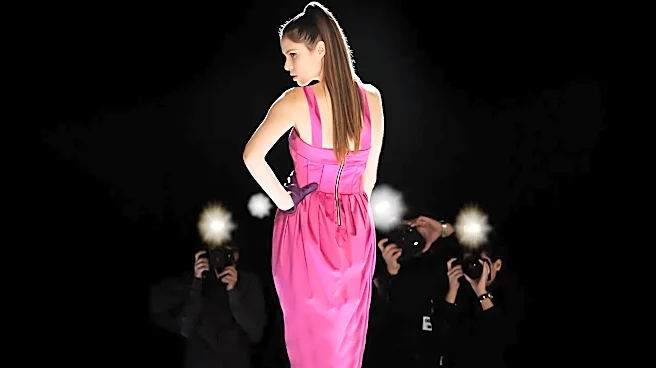
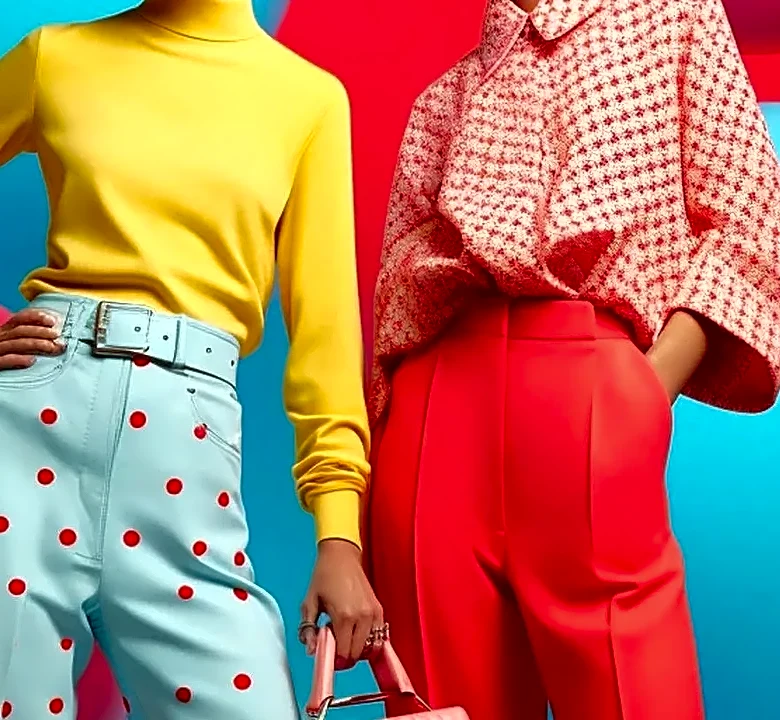
Designers spend months developing a collection’s color palette, typically under controlled, consistent studio lighting designed to mimic natural daylight. This is where they decide that a specific shade of ochre perfectly complements a muted lavender. The runway is where this carefully balanced vision meets the wild, unpredictable world of theatrical production. A lighting designer’s goal is to create a spectacle and an atmosphere, which might involve colored gels, dramatic shadows, or rapid shifts in intensity. While essential for the show's narrative, these choices can inadvertently wage war on the designer's original color story. The result is a high-stakes translation, where the color seen on the catwalk is an interpretation, not a direct copy, of the one conceived in the studio.
It's a Material World
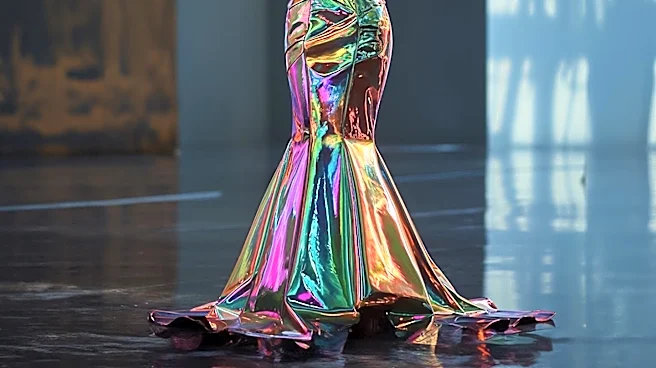
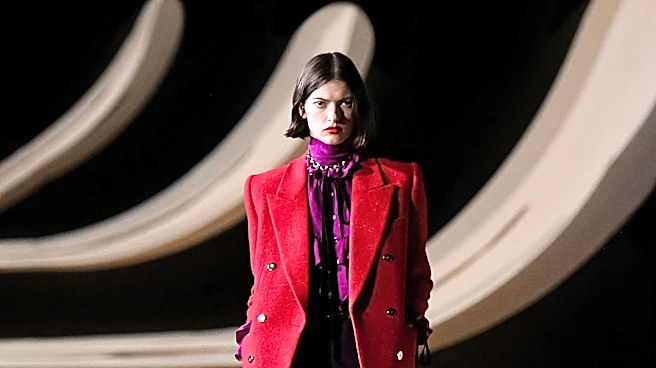
The problem is compounded by the fabric itself. Different materials interact with light in vastly different ways. A shiny satin or a sequined fabric will catch and reflect light, creating dazzling highlights and potentially washing out its own color under bright spots. Conversely, matte fabrics like cotton jersey or heavy wool absorb light, which can make colors appear deeper and more saturated but also risk looking flat without enough illumination. Velvet is a classic example of a fabric that absorbs light, creating a sense of richness and depth, while sheer materials like chiffon and organza can be layered to create ethereal, semi-transparent effects. A lighting designer must account for how an entire collection of varied textures will behave, lighting a reflective metallic dress differently than a light-absorbing velvet suit walking the same path.
The Rise of Smarter Lighting
Fortunately, technology has offered a solution. For years, runways were lit with hot, energy-intensive tungsten lights, which cast a strong warm glow that was difficult to control. Today, the industry standard is LED lighting. LEDs are not only more energy-efficient but also highly controllable. Lighting designers can now fine-tune the color temperature, intensity, and even the specific color output of fixtures on the fly. This allows them to create a neutral, flattering base light that renders color accurately for photographers and the audience, while still layering on dramatic, atmospheric effects. They can ensure a collection’s signature red appears as true red, not orange or pink, preventing the lighting from distorting the fashion it's meant to highlight.