




From a Basement to the Big Time
In 1970, the first-ever San Diego Comic-Con—then called the Golden State Comic Book Convention—was a modest affair. Roughly 300 enthusiasts gathered in the basement of the U.S. Grant Hotel to trade comics and meet creators like the legendary Jack Kirby.
From its inception, organizers included panels on film and science fiction, a suggestion from Kirby himself that proved remarkably prescient. For decades, it remained a beloved, fan-centric event, slowly growing and moving to larger venues. It was a place for people who loved stories, long before it became a place where global entertainment corporations came to sell them.
Hollywood's First Footsteps
The pivotal moment came in 1976. A studio publicist for a then-unknown science-fiction movie called Star Wars hosted a small panel, showing slides to a curious but skeptical crowd. That presentation was part of a deliberate effort to build buzz among the nascent fan community for a film the studio wasn't sure how to market. It was a watershed moment, planting the seeds for Comic-Con's future as a promotional powerhouse. Through the '80s and '90s, more studios dipped their toes in, with projects like Blade Runner offering behind-the-scenes peeks. As the convention moved into the massive San Diego Convention Center in the early '90s, Hollywood's presence grew from a novelty into a strategy.
The Hall H Revolution
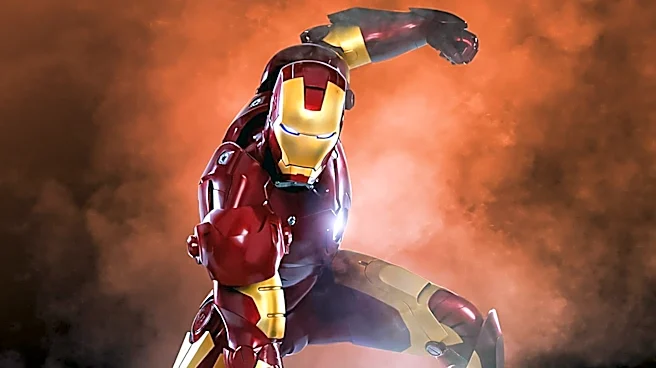
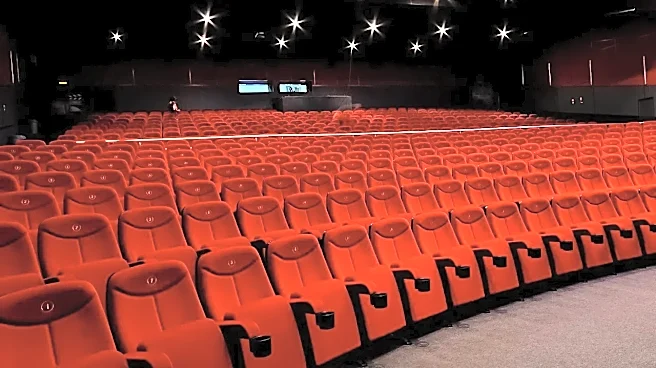
If the '70s planted the seed, the 2000s saw it explode. The key was a 6,500-seat room known as Hall H. This cavernous space became the modern gladiator arena for studios vying for fan attention. The turning point often cited is the 2006 panel for Iron Man. Director Jon Favreau presented early footage that captivated the audience, and the thunderous response was the first real sign Marvel Studios had a mega-hit on its hands. From then on, a blockbuster Hall H panel became a rite of passage. In 2010, Marvel assembled the cast of The Avengers on stage together for the first time, cementing the room's legendary status as the place where cinematic universes are born. It was no longer just about promoting a movie; it was about creating a live, shared experience that fans would evangelize for months.
Peak Hype and the Streaming Wars
By the 2010s, attending Comic-Con had become a major part of a blockbuster's marketing budget and a contractual obligation for its stars. The event wasn't just for movies anymore; television shows like Game of Thrones, The Walking Dead, and Lost used the passionate fan base to build massive audiences. Today, the battle for attention is fiercer than ever. As recently as this year's convention, which ran from July 23 to July 26, giants like Marvel Studios returned to Hall H to tease upcoming juggernauts like Avengers: Doomsday. They now compete for oxygen not only with rival movie studios but also with deep-pocketed streaming services like Prime Video and Apple TV+, who use the platform to launch major series like The Lord of the Rings: The Rings of Power and Mike Flanagan's Carrie. The con floor has become a critical battleground in the ongoing streaming wars, with every platform desperate to generate the next wave of must-see-TV buzz.