





Meghe Dhaka Tara (The Cloud-Capped Star, 1960)
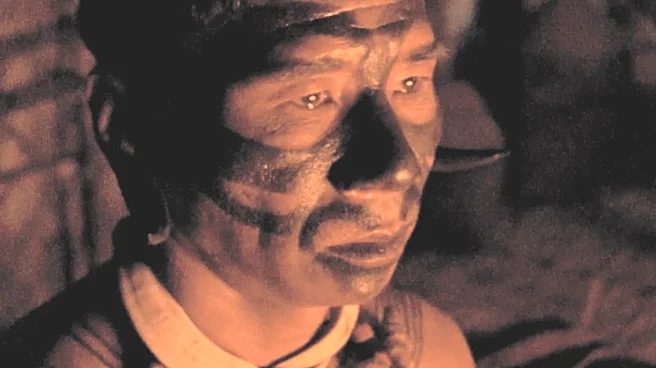
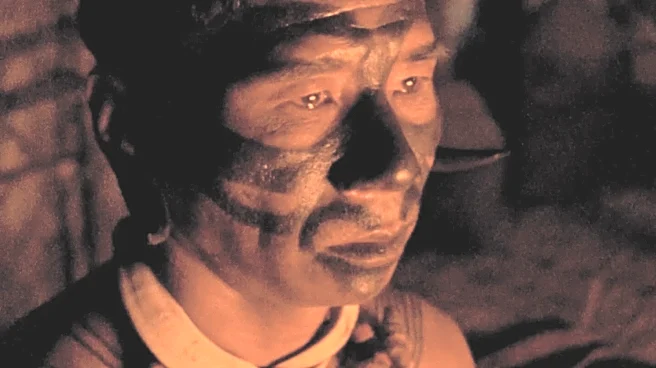
If Sen was the agitator of the Bengali trio, Ritwik Ghatak was its soul-shattering poet of trauma. His masterpiece, Meghe Dhaka Tara, tells the story of Nita, a young woman in a refugee colony outside Calcutta who sacrifices everything for her ungrateful
family. While Sen often intellectualized the struggles of the urban middle class, Ghatak plunged headfirst into raw, unrestrained melodrama to capture the pain of displacement following the 1947 Partition of Bengal. The film’s famous, heart-wrenching final cry of “I want to live!” is an emotional gut punch that echoes the systemic suffering Sen explored, but with a visceral, tragic power all its own.
The Battle of Algiers (1966)
Mrinal Sen's 'Calcutta Trilogy' used newsreel-style grittiness to capture a city on fire. Three years prior, Italian director Gillo Pontecorvo perfected the technique with this landmark of political filmmaking. Shot on location with a cast of largely non-professional actors, the film reconstructs the Algerian struggle for independence from the French with such terrifying immediacy that it feels like a documentary. Like Sen, Pontecorvo understood that the camera could be a weapon, using a raw, vérité style not just to depict a revolution, but to make you feel its pulse—the bombings, the torture, the relentless momentum of history.
I, Daniel Blake (2016)
Sen’s later films, like Kharij (The Case is Closed), masterfully exposed the moral hypocrisies and quiet anxieties of the middle class when faced with systemic failure. British master Ken Loach carries that torch into the 21st century. His film follows a 59-year-old carpenter who, after a heart attack, is declared unfit for work by his doctors but fit for work by the state. What follows is a maddening descent into a bureaucratic hellscape. Loach, like Sen, finds the profound political drama in the everyday, showing how impersonal systems crush individual dignity with quiet, procedural cruelty. It's a work of deep empathy and searing, righteous anger.
Court (2014)
Imagine one of Mrinal Sen’s critiques of the establishment, but filtered through a lens of deadpan, observational satire. That's Chaitanya Tamhane's brilliant debut. The film follows the absurd trial of an aging folk singer and activist accused of inciting a sewage worker's suicide through one of his songs. Instead of overt political speeches, Tamhane lays bare the rot in the Indian legal system through long, static takes and by observing the mundane lives of the lawyers and judge outside the courtroom. It’s a subtle but devastating critique of class, caste, and institutional decay that feels like a spiritual successor to Sen's own inquiries into social justice.
Ram ke Naam (In the Name of God, 1992)
Sen often blurred the lines between fiction and documentary to serve his political arguments. Anand Patwardhan, India's most vital political documentarian, lives in that space. This explosive film chronicles the right-wing campaign to demolish the Babri Masjid, a 16th-century mosque in Ayodhya. Patwardhan bravely interviews everyone from militant leaders to secular activists, creating a ground-level view of rising communal hatred. Released just months before the mosque's demolition, the film is a courageous, unflinching piece of activist filmmaking. It embodies Sen’s belief that a filmmaker’s primary duty is to be a conscientious, and often provoking, chronicler of their time.