
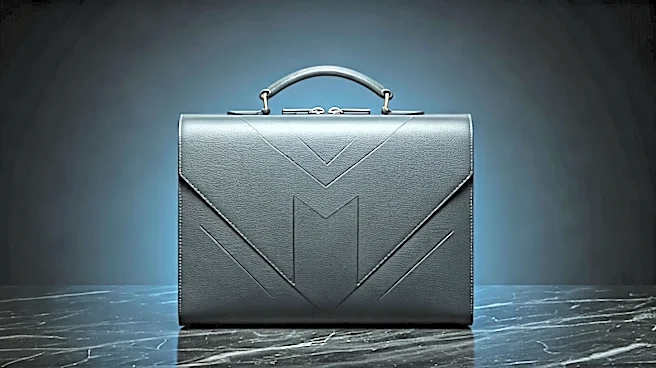


The New Power Suit: Chocolate Brown and Slate Gray
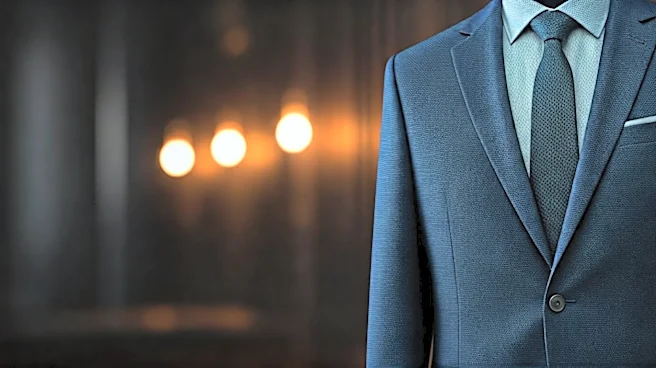
For decades, the default ‘serious’ color palette for men was black and navy. While those classics aren't going anywhere, the sophisticated new pairing is a rich chocolate brown with a cool slate or charcoal gray. Seen on the runways of Zegna and Fendi,
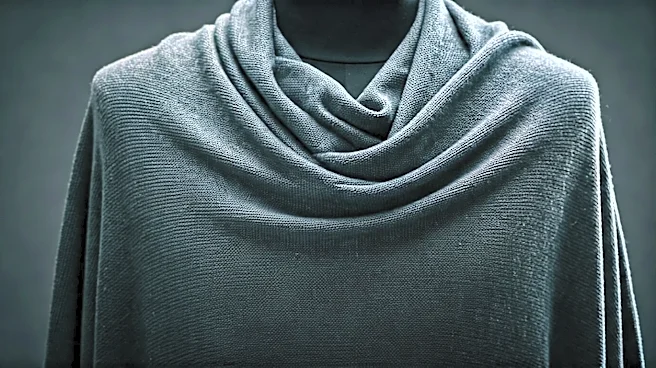
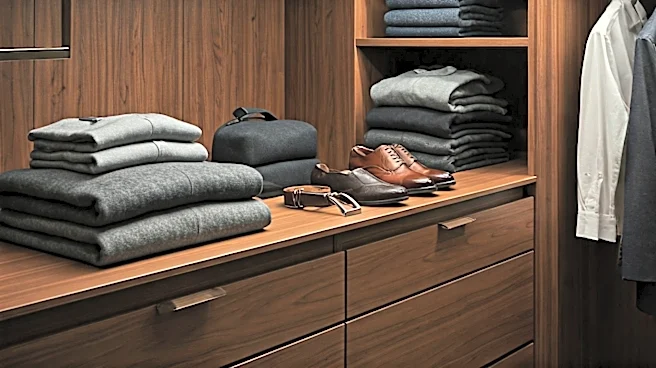
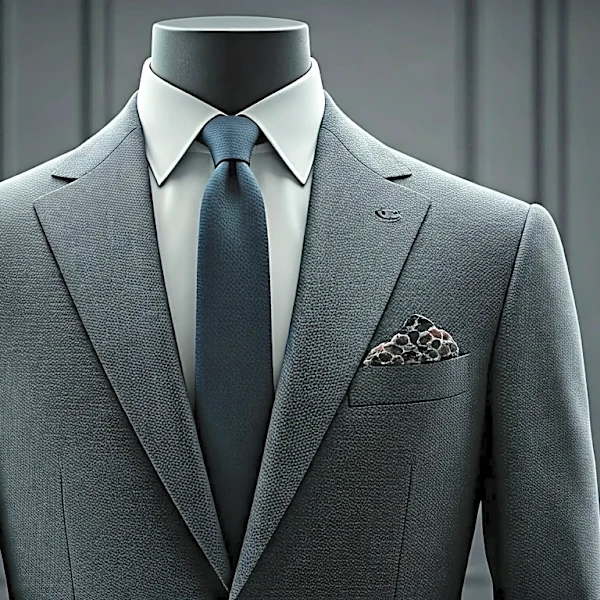
this combination is the epitome of quiet luxury. Why does it work so well? Brown adds warmth and earthiness, making an outfit feel more approachable and textured than stark black. When paired with the architectural coolness of gray, it creates a dynamic, visually interesting look that feels both modern and timeless. Think of a gray wool trouser with a brown cashmere sweater, or a chocolate brown overcoat thrown over a gray suit. It’s a combination that signals you know what you’re doing without shouting it. It’s also incredibly versatile, working for everything from business casual to a weekend dinner.
The Smart Accent: Deep Burgundy and Olive Green
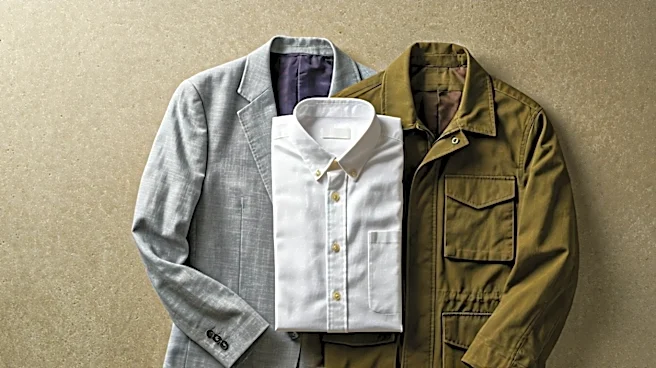
If you're looking to introduce color beyond the usual blues and grays, look no further than burgundy or oxblood. This isn't a loud, fire-engine red, but a deep, wine-stained hue that functions as a sophisticated neutral. At shows like Prada and Gucci, this color is often used as a foundational piece—a sweater, a corduroy pant, or a leather jacket. The professional stylist's trick is pairing it not with black, but with its complementary opposite: a muted olive or forest green. The combination is rooted in nature and has a classic, heritage feel, but it’s unexpected enough to feel contemporary. A burgundy knit polo under an olive field jacket is an outfit that works effortlessly from fall through spring. It's a way to wear color that feels intentional and mature, adding depth to your wardrobe without requiring a complete overhaul.
The Pro Move: Tonal Creams and Ecru
Wearing all white can feel intimidating and a bit '90s boy band,' but dressing in tonal shades of off-white is a different story. This is the expert-level move that, once mastered, is surprisingly simple. We’re talking about layering different textures of ecru, cream, ivory, and sand. Imagine a cream-colored chunky knit sweater over ecru chinos and a pair of light-tan suede sneakers. The key is varying the textures to create visual separation: a ribbed knit, a smooth cotton twill, a soft suede. This creates a look that is incredibly chic, clean, and confident. It works year-round—feeling light and airy in the summer and cozy and bright in the winter. It’s the ultimate way to stand out in a sea of dark colors, projecting an air of effortless elegance that stylists use to make their clients look polished and put-together.
The 90/10 Rule: A Jolt of Primary Color
This is less a specific color combo and more of a timeless styling formula that reappears in Milan every single season. The rule is simple: build 90% of your outfit with versatile, understated neutrals—think navy, gray, beige, olive—and then finish it with one single, powerful pop of a primary color. This could be a canary yellow beanie with an all-gray sweatsuit, a bright cobalt blue scarf tucked into a navy peacoat, or a vibrant red pair of socks peeking out from a cuffed charcoal trouser. This technique allows you to engage with trends without fully committing. That bright color of the season? You don't need a whole suit in it; you just need one accessory. It shows personality and an understanding of balance, making an otherwise simple outfit feel dynamic and deliberate. It’s the single easiest—and most affordable—way to borrow from the runway.