




The Morning Kick-Off
Long before the first whistle blows, the day has already begun. It’s a slow-building wave of anticipation that starts with the simple act of pulling on a jersey. It’s in the group chats buzzing with predictions and friendly wagers, the flags draped from
apartment balconies, and the sudden sea of national colors you see on the commute. This isn't just pre-game hype; it's a collective, nationwide ritual. The hours leading up to the match are a crescendo of shared identity, a time when neighborhood pride scales up to national pride. News channels dedicate segments to fan analysis, and local businesses brace for the coming rush. For millions, the game doesn't start at kick-off; it begins the moment they wake up and remember what day it is.
From Living Rooms to Public Squares
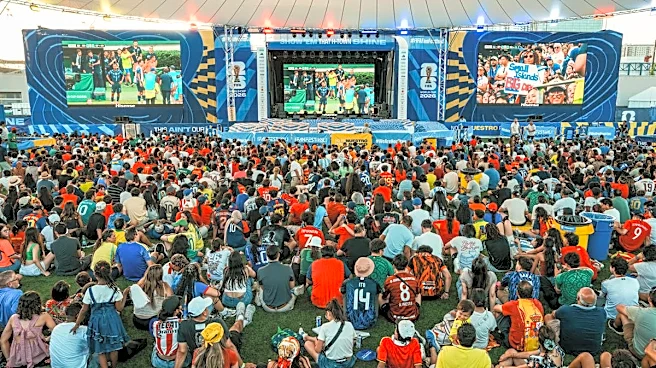
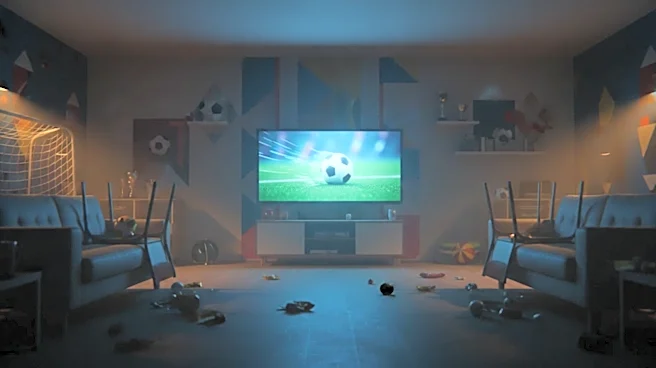
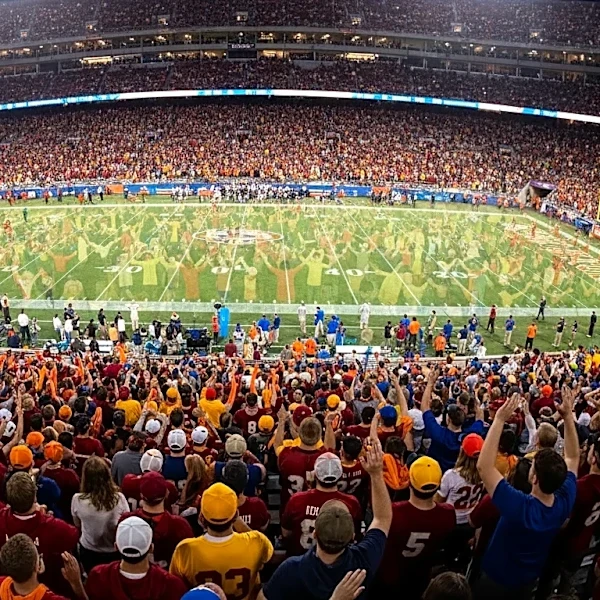
While many watch from the comfort of their couches, the true magic of a World Cup happens when that private act of viewing goes public. During the 2026 World Cup, cities across the United States have transformed parks, plazas, and even waterfronts into massive free fan zones. In New York City, 50,000 fans are expected to gather on Central Park's Great Lawn for the final, watching on giant screens in a festival-like atmosphere. These communal gatherings, from sprawling official fan fests in San Francisco and Seattle to packed neighborhood pubs, are the heart of the phenomenon. They turn strangers into temporary family, united by a common hope. The shared gasps, the roar that erupts after a goal, and the collective groan of a near-miss create a powerful, unified experience that a living room simply cannot replicate. It’s a testament to the idea that joy—and sorrow—is best when shared.
The Digital Second Stadium
Today, the physical stadium has a digital twin. Social media has become an essential part of the viewing experience, a second stadium where millions gather to share every moment. According to recent studies, a huge majority of sports fans, especially younger ones, use social platforms to follow the action. Memes, reaction clips, and hot takes fly across platforms like TikTok and X (formerly Twitter) in real-time. A stunning goal or a controversial call can become a global conversation in seconds, long before the match is over. This digital chatter connects fans who are physically apart, creating a vast, invisible community. It allows everyone to feel like they are part of the same conversation, whether they're at a watch party in Kansas City or watching on their phone on a lunch break. This constant stream of content transforms the game from a scheduled broadcast into a 24/7 cultural event.
An Economy Fueled by Passion
This explosion of national excitement comes with a tangible economic footprint. The 2026 World Cup has provided a significant boost to host cities across the U.S., with consumer spending seeing a notable increase during the tournament. The spending isn't just on tickets; it's on everything from jerseys and memorabilia to food and drinks at local bars and restaurants. In Boston, for example, hotel revenue and restaurant spending saw a major spike during the matches held there. This surge is driven by both locals and visiting fans who immerse themselves in the festival atmosphere, spending on hotels, meals, and cultural attractions beyond the stadium. While the long-term economic impact of hosting can be debated, the short-term boom is undeniable—a temporary economy powered entirely by collective passion.
The Aftermath: Unity in Victory or Defeat
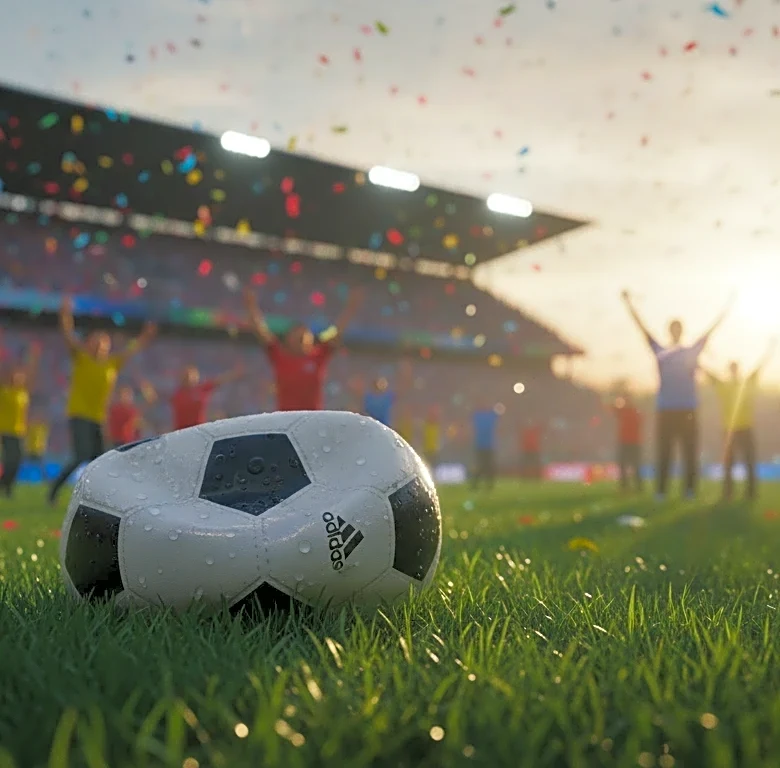
When the final whistle sounds, the day isn't over. What follows is the collective emotional release. The unbridled joy of a victory sends fans spilling into the streets, car horns blaring in a symphony of celebration, as seen in cities across the U.S. during this World Cup. But even in defeat, there is a powerful, unifying element. The shared sadness and commiseration forge a different kind of bond, a quiet understanding that “we were in this together.” These moments, whether euphoric or heartbreaking, become etched in the collective memory. They are the stories that will be told for years to come, the moments that solidify the game's place in cultural history. It's this shared emotional journey that truly elevates a 90-minute match into something much more enduring.